The Feast of Passover and Unleavened Bread: A Journey Through History and Tradition
The Feast of Passover and Unleavened Bread: A Journey Through History and Tradition
The Feast of Passover, a cornerstone of Jewish tradition, commemorates the Israelites' liberation from slavery in ancient Egypt. Closely intertwined with this momentous event is the unleavened bread, a crucial symbol of the journey and the urgency of their departure. This observance, rich in meaning and practice, continues to resonate with Jewish communities worldwide.
Passover's historical significance lies in its recounting of the Exodus story. The narrative emphasizes the Israelites' relentless pursuit of freedom, a theme that has resonated across centuries. The freedom and liberation themes are central to Passover, inspiring reflection and action even today. This annual celebration is a powerful reminder of the importance of remembering past struggles and striving for justice in the present.
Understanding the Significance of Unleavened Bread
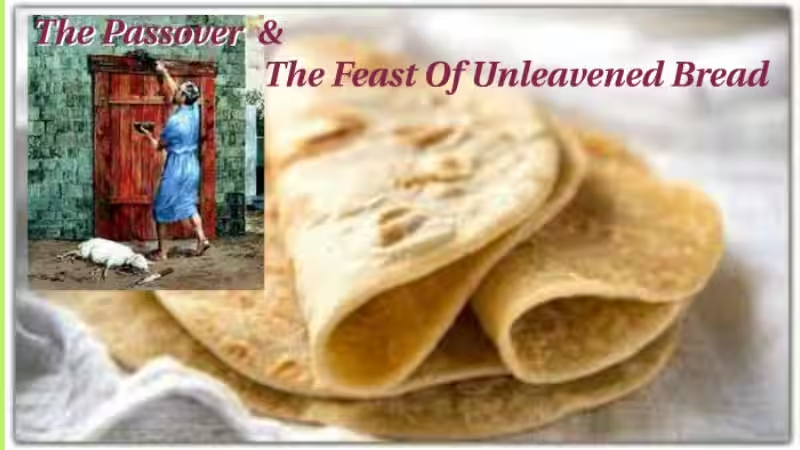
Matzah, the unleavened bread, holds a profound symbolic value within the Passover narrative. It represents the haste with which the Israelites fled Egypt, lacking time for their dough to rise. This absence of leaven symbolizes the urgency of their escape and the need to embrace a life free from the shackles of oppression. Think of it like a quick, simple meal emphasizing speed and freedom.
The practice of eating matzah during Passover is more than just a culinary tradition. It is a powerful reminder of the Israelites' struggle for freedom. It illustrates the importance of embracing change and seizing opportunities for positive transformation. It encourages us to reflect on moments in our lives where we might need to move quickly and decisively. A simple example: when a chance arises for personal growth or career advancement, perhaps with a shift in job or career.
Passover rituals are deeply ingrained in Jewish tradition and culture. These rituals underscore the importance of storytelling, family participation, and the commemoration of this historic event. Several key rituals revolve around the Seder, the ceremonial meal. These include: telling the story of the Exodus, drinking four cups of wine, and eating matzah, highlighting the urgency of the exodus. Families gather to share the Passover story, sharing the pain and hope of the past with the younger generation.
Preparing for Passover involves a meticulous process of removing all leaven from the home. This ritualistic cleansing extends beyond the removal of physical leaven; it symbolizes the removal of negative influences from one's life. The meticulous preparation is a tangible expression of the spirit of renewal and freedom. It's a reminder to clear out the old and welcome the new. Think of it like spring cleaning; not just physically, but also emotionally.
The Modern Relevance of Passover and Unleavened Bread
The message of Passover and matzah transcends the historical context. Its themes of freedom, resilience, and unity resonate powerfully in the modern world. In a world facing various challenges, including social injustice and inequality, the story of the Exodus offers a powerful message of hope. Passover prompts reflection on current struggles, empowering individuals to advocate for social justice and equality. One can apply this to modern-day social justice movements, supporting and participating in initiatives that seek to dismantle systems of oppression.
Moreover, the celebration of Passover is a vibrant reminder of our interconnectedness. It underscores the importance of family, community, and the shared human experience. The communal aspect of the Seder, with families sharing the story, emphasizes the importance of support networks for coping with hardship and embracing joy, especially during difficult times. It also emphasizes the power of collective action in achieving positive change. Think of how communities support each other during natural disasters or economic downturns.
Frequently Asked Questions about the Feast of Passover and Unleavened Bread
What is the Feast of Passover?
Passover, also known as Pesach in Hebrew, is a Jewish holiday commemorating the liberation of the Israelites from slavery in ancient Egypt. It's observed for seven days in most Jewish communities, with some communities observing eight days.
What is Unleavened Bread?
Unleavened bread, called matzah, is a central part of the Passover celebration. It symbolizes the haste with which the Israelites left Egypt, having no time for the bread to rise.
Why is unleavened bread eaten during Passover?
Matzah represents the haste with which the Israelites left Egypt, having no time for bread to rise. It also serves as a reminder of the hardship and oppression faced by the Israelites.
How long is Passover celebrated?
Passover is celebrated for seven days in most Jewish communities, while some observe eight days.
What are the key rituals and traditions associated with Passover?
Key rituals include the Seder, a ritual meal that retells the story of the Exodus, the avoidance of leavened products, and the symbolic foods like matzah, bitter herbs, and charoset.
What is the Seder?
The Seder is a ritual meal that takes place on the first (and sometimes second) night of Passover. It includes specific readings, symbolic foods, and the telling of the story of the Exodus.
What are the symbolic foods of Passover?
Symbolic foods include matzah (unleavened bread), bitter herbs (representing the bitterness of slavery), charoset (a sweet paste symbolizing the mortar used by the Israelites), and a roasted shank bone (symbolizing the Passover sacrifice).
The Exodus story is central to Judaism, narrating the liberation of the Israelites from slavery in Egypt and their journey to freedom. It highlights themes of God's power, covenant, and liberation.
Are there any restrictions on food during Passover?
Yes, during Passover, Jews avoid eating any leavened products, including bread, pasta, and many other grain-based foods. This is to commemorate the Israelites' hasty departure from Egypt.
How do different Jewish communities observe Passover?
While the core themes and rituals remain similar, different Jewish communities may have variations in their specific customs and interpretations of the holiday traditions.