The Days of Unleavened Bread, a significant period in numerous religions, often signify a time of reflection, ritual, and spiritual renewal. This observance, often characterized by the absence of leavened foods, holds deep historical and cultural meaning, urging practitioners to focus on spiritual purity and community. Understanding these observances allows us to appreciate the diversity and richness of religious traditions. The specific rituals and interpretations vary widely between faiths.
For many, the Days of Unleavened Bread represent a time of purification and renewal. The act of removing leavened products symbolizes discarding the old and embracing the new. This act of purging not only focuses on physical purity, but also on the spiritual cleansing of our thoughts and actions. It’s a call to examine our lives and prioritize spiritual growth. The specific duration of the Days of Unleavened Bread varies depending on the religion and its specific traditions. For example, in some traditions, the duration can be a week, a few days, or even a single day.
The concept of the Days of Unleavened Bread isn’t confined to a single religion. Throughout history, various cultures have observed periods of abstaining from leavened foods for religious or cultural reasons. These customs often reflected a strong connection to the natural world, utilizing the freshest and simplest ingredients available. Furthermore, the absence of leavened goods could have been a way to limit culinary complexity and focus on the sacred simplicity of the observance. For instance, the practice of using simple, unadulterated ingredients during the Days of Unleavened Bread could have been a way to symbolize spiritual purity.
The origins of these practices are often intertwined with agricultural cycles and seasonal changes. The Days of Unleavened Bread might have also carried practical significance in ancient societies. For example, in a world without refrigeration, unleavened bread would have been easier to preserve. This could have been a practical reason for the prevalence of unleavened bread during such periods. Ancient agricultural communities likely observed cycles that were connected to the rising and falling of the seasons, as well, intertwining with the ritualistic significance of the Days of Unleavened Bread. These connections suggest that the observances were deeply ingrained in the culture and life of the community.
Religious Interpretations of Unleavened Bread
Within different religious traditions, the Days of Unleavened Bread hold various meanings. In some religions, these days are a celebration of freedom and liberation from oppression or hardship. The act of consuming unleavened bread can symbolize a rejection of the past and a commitment to a fresh start. In other faiths, the Days of Unleavened Bread are seen as a time for introspection, self-reflection, and community building. For example, sharing meals during the Days of Unleavened Bread can strengthen social bonds and encourage spiritual connection.
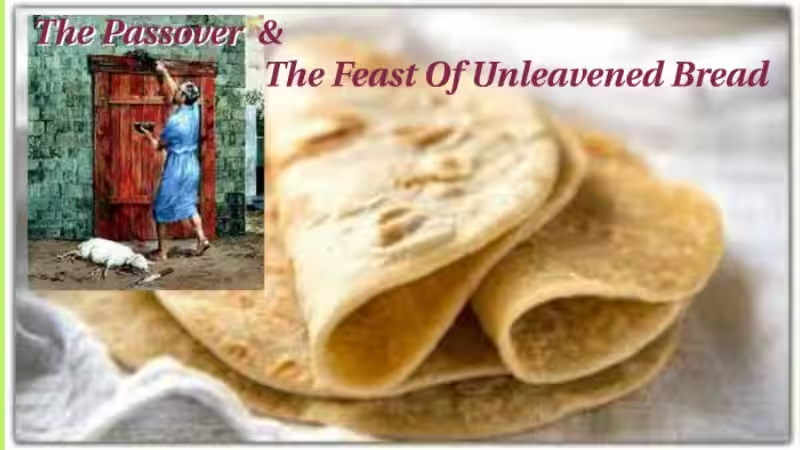
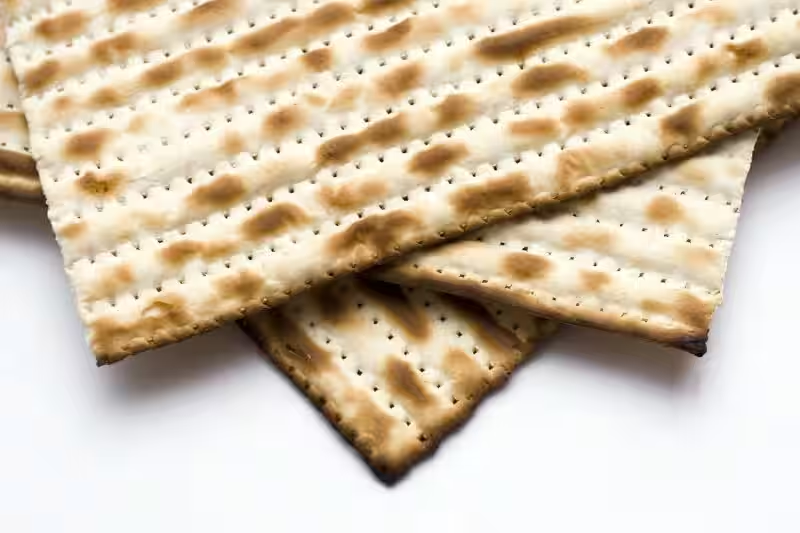
In still other traditions, the Days of Unleavened Bread may be linked to specific historical events or figures. These stories often highlight the importance of faith, resilience, and perseverance. The Days of Unleavened Bread may be seen as a commemoration of a significant event or as a time to reaffirm beliefs. For example, the story of the Exodus in Judaism is closely tied to the Days of Unleavened Bread. The hasty departure of the Israelites meant they did not have time to allow their bread to rise, thus emphasizing the importance of unleavened bread in this aspect of the religious narrative.
Even today, the Days of Unleavened Bread continue to hold significance for many religious communities. These observances offer valuable opportunities for reflection, community engagement, and spiritual renewal. They can help us appreciate the importance of traditions and their deeper symbolic meanings. Today, these observances frequently involve communal meals, rituals, and ceremonies. The Days of Unleavened Bread can be a time of introspection and a way to connect with a shared heritage.
The Days of Unleavened Bread, in their varied forms, offer a unique insight into the rich tapestry of human spirituality. These traditions, with their emphasis on community and ritual, highlight the enduring power of faith and cultural practices. Many modern followers of these traditions find these observances to be a source of spiritual connection and cultural identity. For example, many religious gatherings during these periods involve a focus on scripture, prayer, and music, offering a structured approach to spiritual growth and community building.
Frequently Asked Questions about Days of Unleavened Bread
What are the Days of Unleavened Bread?
The Days of Unleavened Bread, also known as Passover, are a Jewish holiday that commemorates the liberation of the Israelites from slavery in ancient Egypt. It’s a seven-day period, primarily focused on abstaining from leavened bread (containing yeast) and remembering the haste with which the Israelites left Egypt.
What is the religious significance of the Days of Unleavened Bread?
For Jews, the holiday is deeply rooted in their history and faith. It emphasizes themes of freedom, remembrance, and the ongoing covenant between God and the Jewish people. The unleavened bread, matzah, symbolizes the haste of the exodus and the reliance on God’s provision.
Why is leavened bread forbidden during this period?
The prohibition against leavened bread represents the Israelites’ hasty departure from Egypt. They didn’t have time for the bread to rise, and the matzah symbolizes this urgency and reliance on God’s speed.
How long do the Days of Unleavened Bread last?
The Days of Unleavened Bread are a seven-day period.
What are some of the traditions observed during this period?
Traditions include eating matzah, avoiding leavened products, telling the Passover story (the Seder), and participating in special synagogue services.
Are there any specific dietary restrictions during this time?
Yes, the primary restriction is avoiding all leavened products. This includes bread, pasta, pastries, and many other foods containing yeast.
Is the prohibition on leavened bread specific to any particular branches of Judaism?
The prohibition on leavened bread is a core practice observed across various branches of Judaism.