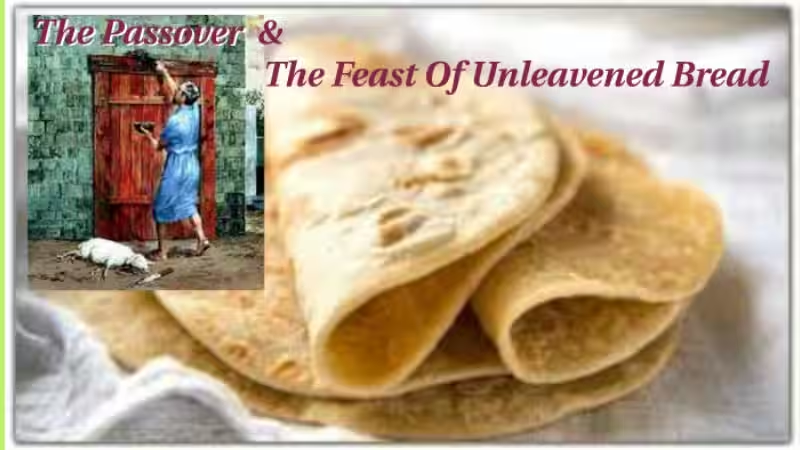
Passover, a significant Jewish festival, commemorates the Israelites’ liberation from slavery in ancient Egypt. Central to this celebration is the Passover Seder, a ritual meal filled with symbolic foods and stories. The holiday’s core theme revolves around the Israelites’ struggle for freedom and their eventual exodus, a powerful narrative of hope and resilience. Crucially, the unleavened bread, or matzah, plays a pivotal role in this tale of liberation.
The practice of eating unleavened bread during Passover isn’t just a culinary tradition; it’s a powerful reminder of the Israelites’ hasty departure from Egypt. With no time to let their bread rise, they baked flatbreads, the matzah, the very epitome of the Passover festival of unleavened bread. This haste underscores the urgency and importance of freedom. This symbolic act connects us to the struggles for freedom and liberation throughout history. Think of other oppressed groups throughout history, and how the concept of hastily departing from their oppressors can resonate with them. This historical significance makes the symbolism particularly profound and relevant today.
The Significance of Unleavened Bread (Matzah) in Passover
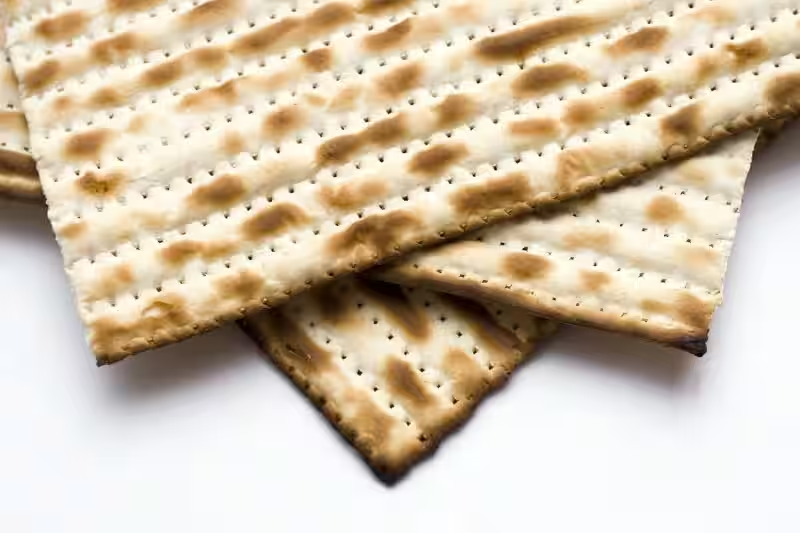
Matzah, the unleavened bread, is more than just a food. It’s a deeply symbolic representation of the Israelites’ rapid escape from Egypt. It embodies the urgency of their journey, the absence of time to allow the bread to rise, and the profound importance of freedom. Matzah represents the haste and the journey. This is a pivotal part of the Passover festival of unleavened bread, with many rituals and traditions surrounding it.
The act of eating matzah during Passover is more than just a meal; it’s a powerful reminder of the Israelites’ struggle for freedom. This symbolic act of eating unleavened bread connects us to the generations that came before and emphasizes the importance of remembering our ancestors’ experiences. Furthermore, it serves as an encouragement to actively pursue personal and societal liberation. Consider how this resonates with modern struggles for equality and justice. This resonates profoundly, reminding us of the importance of resilience in the face of adversity.
The Passover Seder and the Unleavened Bread Ritual
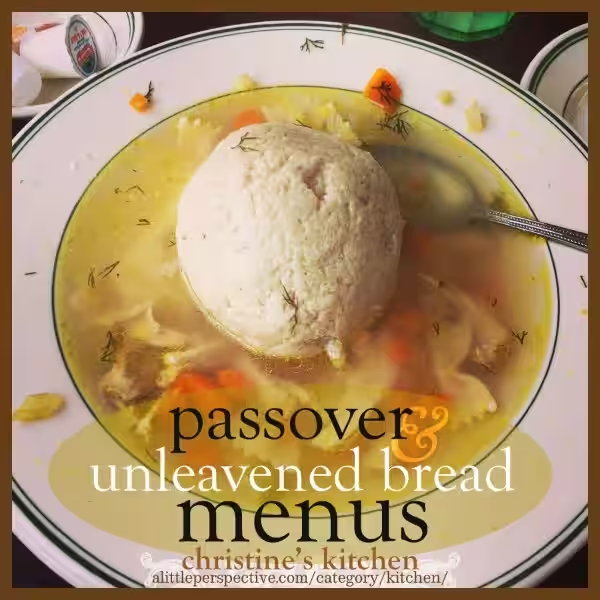
The Passover Seder is the central ritual of the Passover festival of unleavened bread. It’s a structured meal that tells the story of the Exodus through storytelling, songs, and symbolic foods. The Seder is an interactive experience, with everyone participating in the recounting of the story. Matzah is frequently included in the Seder; it’s a central part of the meal, often eaten in varying forms throughout the Seder. This ritualistic inclusion emphasizes the importance of this food.
During the Seder, the unleavened bread (matzah) is eaten in specific ways, often as part of many dishes throughout the meal. This is more than just a culinary practice; it’s a ritualistic act that emphasizes the historical significance of the Passover festival of unleavened bread. It also symbolizes the Israelites’ journey from slavery to freedom. For example, the Seder plate, with its various symbolic foods, is essential in the Seder, demonstrating the richness of the Passover traditions. A fundamental part of the meal, and the festival as a whole! The Passover Seder is the heart of the celebration.
Beyond the Ritual: Matzah and its Modern Relevance
The celebration of Passover and its unleavened bread (matzah) extends beyond religious observance. The story of liberation and resilience, deeply woven into the Passover festival of unleavened bread, can be a source of inspiration for personal growth. The ritual of the Seder and the significance of matzah can be seen as a metaphor for overcoming obstacles and achieving freedom. For example, the Passover story inspires many different communities to work together for social justice and freedom. It is a celebration of hope.
The concept of unleavened bread in the Passover festival transcends its culinary aspect; it’s a powerful symbol of freedom, resilience, and the enduring human desire for liberation. The Passover Seder, with its rich traditions and deeply symbolic foods, is a powerful demonstration of the interconnectedness of past, present, and future struggles for freedom. The history of Passover, the significance of matzah, and the Passover Seder all highlight the continuous importance of these historical events. The importance of this festival is evident.
Frequently Asked Questions about Passover
What is Passover?
Passover, also known as Pesach, is a Jewish festival commemorating the liberation of the Israelites from slavery in ancient Egypt. It’s a significant holiday observed for seven or eight days, depending on the Jewish tradition followed.
What is the significance of unleavened bread (matzah)?
Matzah represents the haste with which the Israelites left Egypt. They didn’t have time for the bread to rise, thus the unleavened bread is a symbol of their freedom and the speed of their exodus.
Why is Passover celebrated?
Passover celebrates the story of the Exodus, where God freed the Israelites from slavery in Egypt. It’s a time to remember their struggle and God’s intervention, the enduring power of faith and hope, and to appreciate freedom.
How is Passover observed?
Passover is observed with a ritual Seder meal, a special service, and avoiding the consumption of leavened bread or any products containing it (chametz). Other customs include telling the story of the Exodus, reading from the Haggadah, and specific prayers.
What is a Seder?
A Seder is a ritual meal held on the first (and sometimes second) night of Passover. It follows a specific order of readings, prayers, symbolic foods, and storytelling to recount the Exodus story.
What are some of the symbolic foods used in a Seder?
Symbolic foods include matzah, maror (bitter herbs), charoset (a sweet paste), and a roasted shank bone (zeroa). Each item represents a different aspect of the Exodus story.
Why is Passover observed for seven or eight days?
Passover is observed for seven days in most parts of the world. In Israel, it is observed for seven days. In the Diaspora (outside of Israel), an extra day is added to the celebration. This is due to differences in calculations of the lunar calendar between different communities.
What is the difference between the Seder on the first night and the following nights?
The first night often has a more formal and elaborate Seder, including more extensive readings and rituals. Subsequent nights can still include a Seder but may be more casual. In some communities there are differences in readings.