The Day of Unleavened Bread, a significant religious observance across numerous faiths, holds a unique place in the hearts and minds of believers. It’s a time for reflection, ritual, and often, a celebration of freedom, sacrifice, and renewal. Understanding this important religious holiday requires delving into its historical roots and the varied ways in which it is observed today. Different cultures and faiths may have unique interpretations, but the core theme of purification and remembrance usually remains consistent.
For many, the Day of Unleavened Bread is more than just a calendar date; it’s a time for spiritual renewal. It can be a time for deep introspection, a period to examine one’s relationship with the divine, and a chance to appreciate the blessings in one’s life. It is a chance to reset, to reflect, and to commit to living a more meaningful and purposeful life. This observance often includes specific rituals and traditions, emphasizing the importance of community and connection.
A Historical Perspective on the Day of Unleavened Bread
The Day of Unleavened Bread, in its various forms, has deep historical roots. Tracing the origins back through various religious texts and traditions, we discover common threads of freedom and liberation. Religious stories often connect this observance with significant historical events, like the Exodus, or the Passover. These stories often depict the struggle of a people for freedom, the importance of remembering, and the need to avoid the pitfalls of oppression.
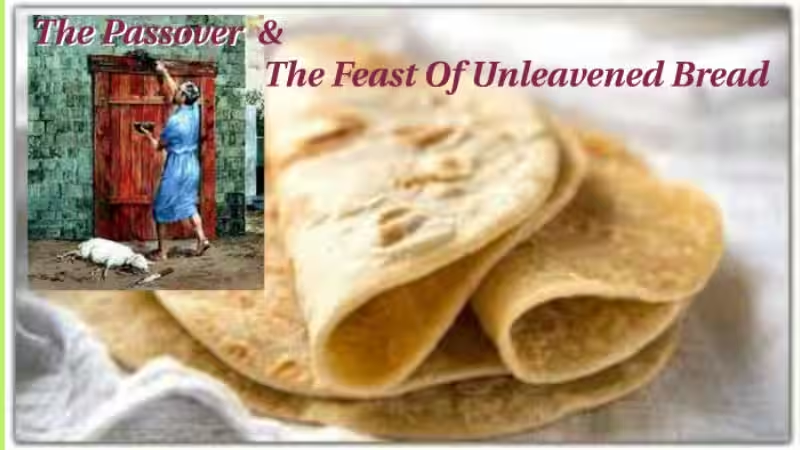
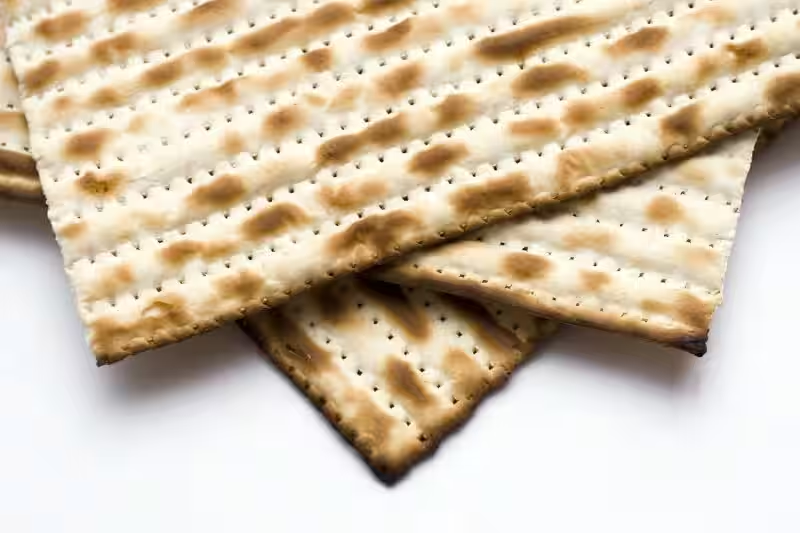
For example, in the Jewish tradition, the Day of Unleavened Bread is deeply intertwined with the story of the Exodus. Passover, the preceding holiday, commemorates the Israelites’ liberation from slavery in Egypt. The Day of Unleavened Bread, following immediately after, emphasizes the importance of remembering this freedom by abstaining from leavened bread. This simple act symbolizes the rapid departure from Egypt, leaving no time for bread to rise.
Rituals and Traditions Associated with the Day of Unleavened Bread
The Day of Unleavened Bread involves various rituals and traditions. These traditions vary significantly across different religious contexts. For instance, some traditions may require strict adherence to dietary restrictions, while others may center around prayers, communal meals, or artistic expressions. Observing these rituals is often seen as a way to connect with the historical significance of the holiday, and to strengthen the bonds of faith within the community.
Common elements, however, often include special meals and gatherings: These meals frequently involve symbolic foods, such as matzah (unleavened bread), which has a special significance in many contexts. They are also a chance to come together with family and friends to share stories, strengthen relationships, and appreciate the gift of community. A list of common rituals might include:
Special meals
Prayers and readings
Ceremonial acts
Reflection and introspection
These actions symbolize the themes of freedom, remembrance, and renewal.
Relating the Day of Unleavened Bread to Modern Life
The Day of Unleavened Bread, despite its historical roots, can resonate with modern life in numerous ways. The themes of freedom, sacrifice, and renewal can be personal, community-oriented, or even national. For example, it can serve as a reminder to live a life free from oppression, whether it is physical, mental, or emotional. People might examine their own relationships and how they can better navigate and manage them. These themes can even be applied to personal struggles for freedom from addiction or difficult life circumstances.
Reflection and self-assessment are key parts of modern application. The observance encourages introspection and a willingness to examine one’s actions and motivations. It can be a time to break free from old patterns and embrace new opportunities for growth. The holiday can be a powerful tool for personal development, particularly in seeking self-improvement and freedom from negative influences. This extends to areas like financial freedom, professional freedom, and even freedom from harmful habits. Simply put, it’s a time to examine and remove the “leaven” from our lives that may be hindering our growth and happiness.
Frequently Asked Questions about the Day of Unleavened Bread
What is the Day of Unleavened Bread?
The Day of Unleavened Bread, also known as Passover, is a significant Jewish religious observance commemorating the liberation of the Israelites from slavery in ancient Egypt. It’s a time focused on remembering God’s power and faithfulness, and celebrating freedom.
What is the religious significance of this holiday?
The holiday commemorates the Exodus, when God miraculously liberated the Israelites from slavery in Egypt. It also symbolizes the removal of sin and the concept of spiritual freedom. The unleavened bread represents the haste with which the Israelites left Egypt, without time for bread to rise.
What are the key practices or rituals associated with this holiday?
Key practices include a special Seder meal, the removal of all leavened products from the home, and the recounting of the Exodus story. Various symbolic foods are used during the Seder, such as matzah (unleavened bread), bitter herbs, and charoset.
How long does the Day of Unleavened Bread last?
The Day of Unleavened Bread lasts for seven days.
Why is unleavened bread important during this holiday?
Unleavened bread, or matzah, represents the haste with which the Israelites fled Egypt. It symbolizes their rapid departure, a reminder of God’s swift deliverance.
Are there any specific dietary restrictions during this holiday?
Yes, the avoidance of leavened products (chametz) is a central practice. This includes bread, pasta, and other grains that have risen.
What is the meaning behind the Seder meal?
The Seder meal is a ritualistic meal that recounts the story of the Exodus through symbolic foods, prayers, and readings. It’s a way for families to connect with their heritage and share the story of liberation.