The Feast of Unleavened Bread: A Journey Through Meaning and Significance
The Feast of Unleavened Bread: A Journey Through Meaning and Significance
The Feast of Unleavened Bread, a cornerstone of Jewish tradition, holds profound spiritual and historical significance. It's more than just a week-long celebration; it's a powerful reminder of the Israelites' exodus from Egypt and their reliance on God. This observance emphasizes freedom, humility, and the importance of remembering God's past actions. Understanding the historical context and symbolic meaning of this feast deeply connects us to the foundational stories of Judaism.
This festival, explicitly detailed in the Torah, isn't just about food; it's about embracing a deeper relationship with the divine. It's a time for reflection and a celebration of liberation. The act of eating unleavened bread during this period symbolizes the Israelites' hasty departure, where there was no time for bread to rise. This urgency, mirroring the desperation of their journey, underscores the rapid and dramatic nature of their freedom. The symbolic act of eating unleavened bread, or matzah, during this time, reinforces the reminder of their liberation and dependence on divine intervention.
The Feast of Unleavened Bread, or Chag HaMatzah, is deeply rooted in the story of the Israelites' escape from slavery in Egypt. God's miraculous intervention led to their liberation, and the Israelites were commanded to observe this festival as a lasting commemoration. Exodus 12 details the events leading up to this significant moment, where unleavened bread became a central symbol. This observance is a constant reminder of the power of faith and resilience in the face of adversity.
The Israelites' hasty departure from Egypt, during which time there was no time for bread to rise, is deeply embedded in the symbolism of the festival. This aspect emphasizes the urgency of their exodus and the importance of swift action guided by divine purpose. This rapid departure, marked by the consumption of unleavened bread, reinforces the idea of their liberation and dependence on divine intervention. The hasty departure and the inclusion of the matzah reinforce the idea of swift action and the need to remember the past.
The Significance of Unleavened Bread (Matzah)
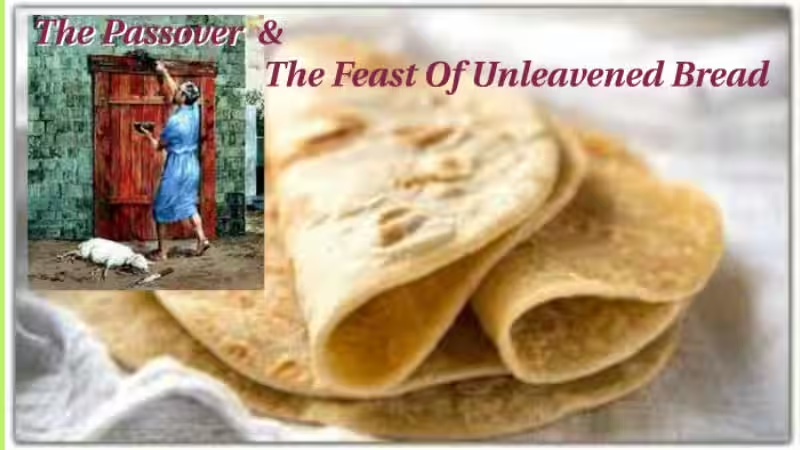
Matzah, the unleavened bread, is the central symbol of the Feast of Unleavened Bread. Its simplicity speaks volumes. The absence of leavening agents is a potent reminder of the Israelites' swift escape, the need for speed and urgency, and the faith-based reality of their liberation. Matzah becomes a tangible connection to their historical experience, underscoring the importance of remembrance and reflection. The focus on matzah emphasizes the importance of gratitude and recognizing their historical experience.
Beyond the historical context, matzah also carries a deep symbolic meaning. Its lack of leavening agents represents humility and the rejection of pride. It's a reminder to avoid arrogance and focus on the simple, essential aspects of life. Furthermore, the unleavened bread's plainness and lack of embellishment symbolize simplicity and gratitude, reminding followers of the importance of God's provision over excess. The matzah, with its symbolism, reminds the followers of the importance of remembering their historical experience and relying on God.
The Feast Today: Practical Applications
The Feast of Unleavened Bread continues to resonate with Jewish people today. It offers a unique opportunity for reflection, fellowship, and connection to tradition. Families gather and observe the rituals, including a seder meal, which further emphasizes the meaning of remembrance and reinforces the importance of the story to the next generation. This act of remembering the past, and the symbolic actions that come with it, is fundamental to the tradition. The focus on eating the matzah and telling the story of the exodus together is a communal act.
For those outside of the Jewish faith, the Feast of Unleavened Bread offers valuable insights into the power of storytelling and communal celebration. Observing this festival provides a glimpse into a rich tradition, highlighting the importance of remembrance and the power of shared experiences. The emphasis on tradition, and the importance of shared events, becomes a significant element of the tradition. This can be a great way to explore the meaning of tradition and the power of community.
Frequently Asked Questions about the Feast of Unleavened Bread
What is the Feast of Unleavened Bread?
The Feast of Unleavened Bread, also known as Passover, is a significant Jewish holiday commemorating the Israelites' liberation from slavery in ancient Egypt. It's a week-long celebration, primarily focused on remembering God's miraculous intervention and the Israelites' exodus.
What is the religious significance of the Feast of Unleavened Bread?
For Jewish people, the Feast of Unleavened Bread is a reminder of their history, faith, and the covenant with God. It symbolizes freedom, liberation from oppression, and the importance of obedience to God's commands. It's deeply rooted in the Exodus story, highlighting God's power and faithfulness to His people.
Why is unleavened bread important?
The use of unleavened bread, or matzah, symbolizes the haste with which the Israelites left Egypt. They didn't have time for the bread to rise. This aspect highlights the urgency and suddenness of their liberation and the need to remember their rapid departure.
What are the key practices associated with the Feast of Unleavened Bread?
Key practices include abstaining from leavened products (chametz) for the entire week, eating matzah, telling the Passover story (the Seder), and participating in special prayers and rituals.
Is the Feast of Unleavened Bread celebrated by other religions?
While the Feast of Unleavened Bread is primarily a Jewish holiday, the underlying themes of freedom, remembrance, and covenant have resonated in other faiths and traditions. Christians also recognize the Passover story as part of their faith history.