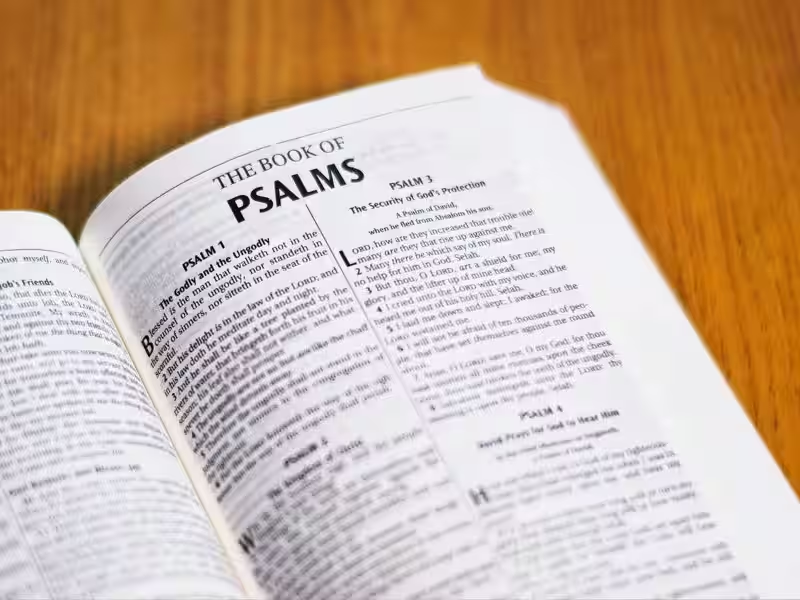
Anger is a universal human experience. It’s a powerful emotion that can fuel both creativity and destruction. Whether it’s a petty argument with a loved one or a profound frustration with the world, managing anger effectively is a crucial life skill. For many, faith provides a powerful framework for navigating these turbulent emotions. The Psalms, a collection of ancient Hebrew poems and prayers, offer profound insights and practical tools for understanding and controlling anger.
Many of us have felt the intense heat of anger. It can feel overwhelming, making us say and do things we later regret. The Psalms, composed over centuries, offer a wealth of experience, providing a pathway to healing. They show us that anger is not inherently evil, but rather a sign of our humanity, and importantly, they offer a way to channel this emotion constructively. They remind us that these feelings are temporary and that we can find peace through faith and understanding.
The Psalms aren't just about expressing anger; they delve into the causes of anger. Often, the anger in the Psalms stems from perceived injustices, oppression, or the feeling of being abandoned. For example, Psalm 44 depicts a nation's frustration with its enemies, expressing a palpable sense of injustice. By examining these underlying issues, we can better recognize our own triggers and identify patterns in our own anger. The Psalms also offer insights into the damaging effects of unchecked anger. Psalm 37, for instance, speaks to the destructive nature of harboring anger. Understanding these themes allows us to break our own cycles of anger and foster a deeper understanding of ourselves.
Recognizing our own reactions to situations can be a difficult process. The Psalms provide a framework of examples. They show the spectrum of anger, from the passionate outburst to the simmering resentment. Often, understanding the roots of our anger is the first step in managing it. For instance, Psalm 139 speaks to the profound nature of God's awareness. This focus can help us to recognize that our own feelings are not truly separate from the divine. This realization can be a powerful antidote to the negative feelings often associated with anger. This deeper understanding can lead to a more profound and productive way of managing anger.
Finding Spiritual Tools in the Psalms for Anger Management
The Psalms aren't just about recognizing anger; they also offer powerful tools for managing it. Prayer, meditation, and introspection, concepts often emphasized in the Psalms, can be a valuable part of any anger management strategy. Psalm 63, for example, speaks to the importance of drawing close to God during times of distress. This kind of connection can allow us to release our frustrations and replace them with a feeling of peace. The Psalms are full of examples of people turning to prayer during times of anger and finding solace.
The act of writing down our anger, reflecting on its causes, and then turning to prayer, as suggested by Psalm 13, can be incredibly effective. It's a way to externalize the emotion and gain perspective. Imagine a situation where you're feeling angry. Writing down your feelings about the specific situation, reflecting on your thoughts and emotions, and then turning to prayer using Psalm 13's themes can be very helpful in processing the anger and finding a more constructive response. This process helps us to detach from the anger and find a sense of calm.
Applying the Psalms to Modern Life
The Psalms, written centuries ago, offer timeless wisdom for managing anger in modern life. Their ability to address both the causes and consequences of anger makes them an invaluable resource. Applying the principles found in the Psalms to everyday life can lead to significant improvements in how we manage challenging encounters. Psalm 23, for example, speaks to the importance of trusting in God's care, even during difficult times. This sense of trust is a powerful tool in mitigating anger and promoting peace.
The Psalms provide a framework for understanding and managing anger in a constructive way. Imagine a situation where you're faced with a frustrating customer. By reflecting on the lessons of Psalm 4, which emphasizes forgiveness and patience, you can approach the situation with a more empathetic and peaceful mindset. This is a valuable example of how the Psalms' principles, when applied to contemporary situations, can help us navigate challenging social situations with more grace and poise, reducing the potential for anger.
Conclusion: Finding Strength Through Faith
The Psalms offer a profound and practical guide for managing anger. By understanding the roots of anger, employing tools like prayer and meditation, and applying these principles to modern life, we can find peace in the face of conflict. Ultimately, the Psalms encourage us to seek God's strength and guidance, reminding us that anger is but one emotion within a vast spectrum of human experience. With introspection and faith, we can cultivate the wisdom to manage anger constructively and find a path towards inner peace. Psalm 119 encourages us to find strength and guidance through God's Word.
The Psalms are a powerful reminder that navigating anger is a journey, not a destination. Embracing the wisdom and guidance of the Psalms can lead to greater self-awareness, improved relationships, and a more peaceful life. By reflecting on the verses and applying their lessons to our daily lives, we can find the strength to manage our anger constructively, fostering a more profound connection with our faith and a greater capacity for empathy, as illustrated in Psalm 34.
Frequently Asked Questions about Psalms for Anger
What are some Psalms that address anger?
Many Psalms touch on anger, frustration, and feelings of rage. Some examples include Psalm 3, Psalm 4, Psalm 6, Psalm 18, Psalm 37, and Psalm 139. These Psalms often express the struggle with anger, the need for God's help, and the path to forgiveness and peace.
Reading and meditating on Psalms related to anger can help you understand and process your emotions. Consider the situations and feelings expressed in the Psalms. Pray for guidance and strength as you reflect on these verses. You can also use Psalms as a way to express your anger constructively in prayer and supplication.
What does religion say about anger?
Different religions have varying perspectives on anger. Generally, most faiths emphasize the importance of controlling anger, avoiding harmful actions, and seeking reconciliation. They often encourage forgiveness, empathy, and patience as ways to manage anger.
Can Psalms help me forgive others?
Yes, many Psalms express the desire for forgiveness and reconciliation. Reading these Psalms can help you reflect on your own need for forgiveness and encourage you to extend compassion and understanding to others. The Psalms can help in the process of healing and moving towards forgiveness.
How can I find Psalms that relate to my specific situation?
Many online Bible resources allow searching for specific words or phrases within the Psalms to find relevant verses. You can also look for themes related to anger, forgiveness, or seeking God's help. Reading a commentary or a related devotional might offer deeper insight into the Psalms.