Passover: The Feast of Unleavened Bread—A Timeless Celebration
Passover: The Feast of Unleavened Bread—A Timeless Celebration
Passover, a deeply significant Jewish festival, commemorates the Israelites' liberation from slavery in ancient Egypt. This historical event, laden with symbolism, is celebrated annually with a unique set of traditions. At its core, Passover is about freedom, remembrance, and community. It is a vibrant reminder of how past struggles shape present perspectives and how the past influences the future.
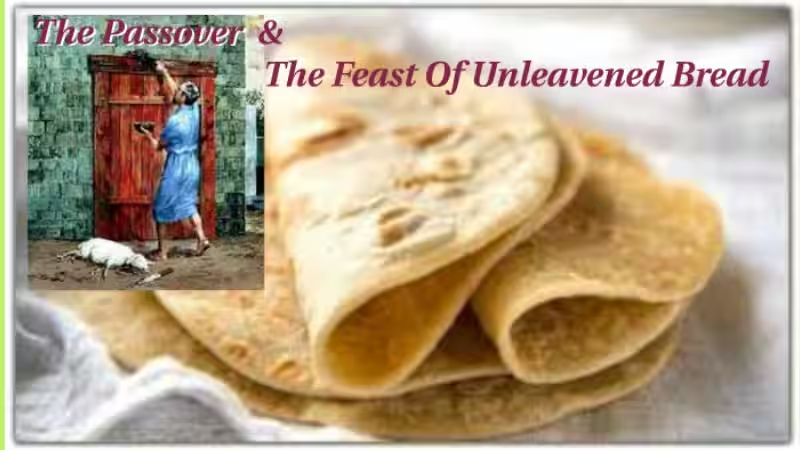
The name "Passover" itself stems from the story of the angel of death "passing over" the houses of the Israelites during the tenth plague. This act of divine intervention marked the beginning of their journey to freedom. This event is central to understanding the significance of the feast of unleavened bread; it's deeply intertwined with the narrative of Exodus. The unleavened bread, eaten throughout the week of celebration, symbolizes the Israelites' hasty departure, with no time for the bread to rise. Think of it like when you're in a rush and grab an emergency snack rather than a leisurely meal.
The Rituals of Passover: A Deep Dive into Tradition
The Passover Seder, a ritual meal, is the heart of the celebration. This elaborate service involves specific foods, symbolic actions, and recitations from the Haggadah, a book of readings and explanations. The Haggadah guides the participants through the story of the Exodus, highlighting key moments and lessons. The matzah, or unleavened bread, is a focal point of the Seder, reminding everyone of the haste with which the Israelites escaped. This focus on unleavened bread is more than just a culinary tradition; it's a powerful symbol of the Israelites' liberation.
Other significant elements of the Seder include the Four Questions, traditionally asked by the youngest participant. These questions spark discussion about the meaning of the Seder and the significance of Passover. These questions aim to encourage deeper engagement with the feast of unleavened bread. In addition, the Seder plate, containing symbolic foods like a roasted shank bone, bitter herbs, and charoset (a sweet paste), is used to vividly depict the story. This visual representation in the form of the Seder plate enhances the understanding of the Exodus story.
The Significance of Unleavened Bread: Beyond the Physical
The unleavened bread, or matzah, is more than a dietary requirement during Passover. Its absence of leavening agents symbolizes the haste with which the Israelites left Egypt. It's a poignant reminder of the urgency of their situation and their faith in God. This ritual of eating unleavened bread connects the past with the present, emphasizing the importance of remembering and honouring the past. Imagine being forced to leave everything behind in a hurry. You don't have time to prepare anything else. This is the essence of Passover, epitomized by the unleavened bread.
Furthermore, the feast of unleavened bread serves as a powerful metaphor for removing all forms of spiritual "leaven" from our lives. This can be likened to purging negative emotions or attitudes that hinder us from spiritual growth. It's a call to examine our lives, identifying and eliminating anything that could prevent us from achieving liberation, both personally and collectively. Examples include pride, anger, or intolerance.
Passover: A Celebration of Freedom and Hope
Passover is more than just a religious festival; it's a celebration of freedom and hope. It's a reminder of how resilience in the face of adversity can lead to profound change. The story of the Israelites' escape from slavery inspires individuals to fight for progress in their own lives. It's a powerful testament to the human spirit's ability to overcome hardship and build a better future.
The feast of unleavened bread truly underscores the importance of overcoming obstacles. The actions of the Israelites, marked by unleavened bread, have deeply influenced many spiritual journeys. This historical event encourages individuals across faiths to continue striving for freedom and justice in their own lives and communities. This perspective on Passover allows us to appreciate its enduring legacy and its contemporary relevance.
Frequently Asked Questions about Passover
What is Passover?
Passover, or Pesach in Hebrew, is a major Jewish holiday commemorating the liberation of the Israelites from slavery in ancient Egypt. It's celebrated for seven or eight days, depending on the Jewish tradition followed.
What is the significance of unleavened bread (Matzah)?
Matzah represents the haste with which the Israelites left Egypt, having no time for bread to rise. It symbolizes the hardship and oppression they endured, as well as their freedom and reliance on God.
Why is Passover a religious holiday?
Passover is a religious holiday rooted in the historical liberation of the Jewish people. It's a time for reflection, remembrance, and strengthening community bonds, aligning with core Jewish values and beliefs.
What are the main rituals and traditions of Passover?
Key rituals include the Seder, a ritual meal filled with symbolic foods, readings, and storytelling; avoiding leavened bread (chametz); and specific prayers and blessings.
What is the Seder?
The Seder is a ritual meal held during the first (and sometimes second) night(s) of Passover. It includes specific symbolic foods, prayers, and readings recounting the Exodus story.
How is Passover celebrated outside a religious context?
While Passover has religious significance, many families and individuals celebrate the cultural aspects of the holiday, such as gatherings with loved ones and enjoying the delicious flavors of foods like matzah ball soup.