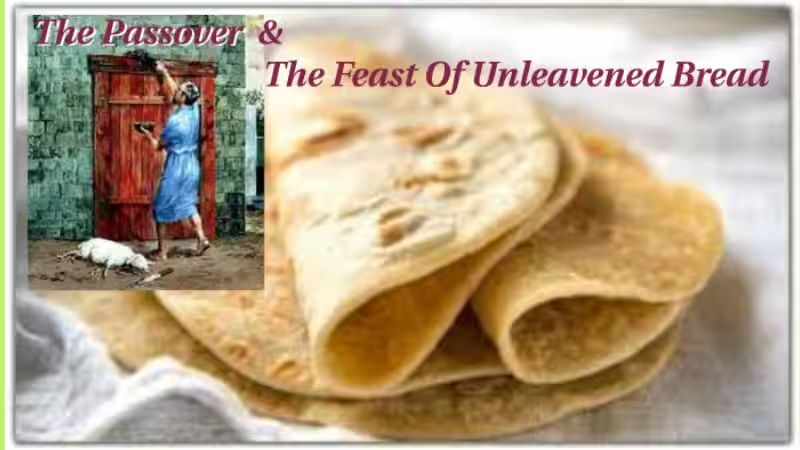
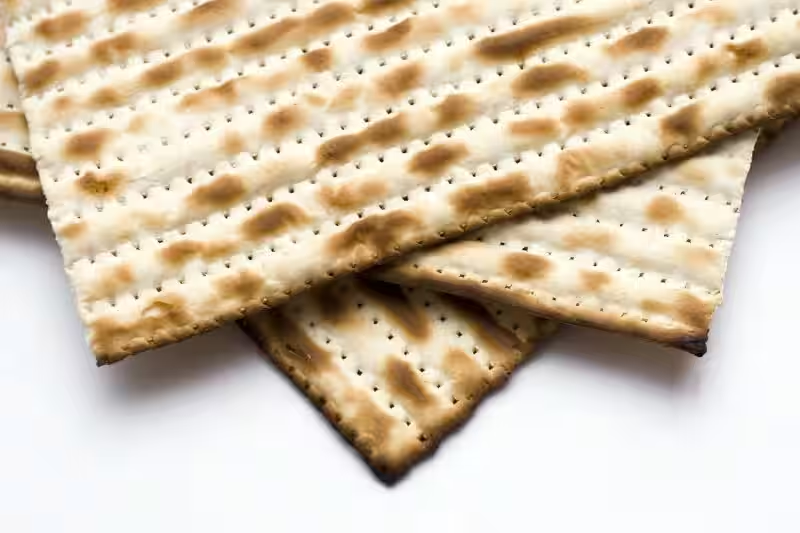
The Feast of Unleavened Bread, also known as Passover, is a significant religious observance for millions across the globe. Understanding its timing is crucial for those seeking to participate in or learn more about this important tradition. This observance commemorates the Exodus, the liberation of the Israelites from slavery in ancient Egypt. It’s a time of reflection, renewal, and shared celebration.
The Feast of Unleavened Bread isn’t a one-off event; it’s a week-long celebration, specifically, the first and seventh days are considered the main feast days. The exact dates vary annually, as Passover is determined by the lunar calendar. The precise calculations are complex, but fundamentally, it falls in the spring, typically in March or April on the Gregorian calendar.
The timing of Passover is deeply rooted in the lunar cycle. Jewish holidays often follow the cycles of the moon, a connection that has enduring significance. This means that the dates for the Feast of Unleavened Bread shift annually. This cycle of the moon is significant because it was a crucial part of ancient agricultural practices and religious rituals.
Understanding the lunar calendar is key to understanding Passover. The 14th of Nissan, on the Hebrew calendar, is the starting point for Passover. A lunar calendar means the date of Passover shifts each year. Consider this: if you’re anticipating Passover in March, you’ll need to confirm the specific dates for that year. The Feast of Unleavened Bread is always tied to the lunar cycle, making the precise date different each year.
Preparing for the Feast of Unleavened Bread is a meaningful part of the experience. A common practice is the removal of all leavened products from one’s home. This symbolic act reflects the Israelites’ hasty departure from Egypt, having no time to allow bread to rise. Think of it like a spring cleaning, but with a deeper spiritual meaning. This act of removal is called “b’dikat chametz.”
Another crucial aspect is the Seder. The Seder is a ritual meal that takes place on the first (and sometimes second) night of Passover. This meal is filled with symbolism and stories, helping participants to connect with the historical events and the deeper meaning of the celebration. The Seder plate, with its various symbolic foods, is a central component of this activity. Important elements include the telling of the Exodus story, the use of the Haggadah, and the sharing of a celebratory meal.
Important Dates and Customs
The exact timing of the Feast of Unleavened Bread, observed from the 14th to the 21st of Nissan (Hebrew calendar), provides a framework for observance. The first two days and the final day are considered particularly significant. For instance, a common custom on the first night is the Seder, a ritual meal centered around the story of the Exodus and symbols. The specific date will depend on the Hebrew calendar.
Several important customs accompany the Feast of Unleavened Bread. These include:
These practices are central to the celebration and serve to connect attendees with the rich history and traditions of the Passover narrative.
Observing the Feast of Unleavened Bread Today
The Feast of Unleavened Bread continues to be a significant observance for Jewish communities worldwide. It’s a time for reflection, community, and shared celebration. Whether participating in the Seder or engaging in other customary practices, the spirit of the Exodus and the joy of freedom are central themes. The observance also allows people a chance to reflect on their own freedom and liberties.
Today, many communities host events to bring people together and share the experiences around the Feast of Unleavened Bread, allowing non-Jewish people to learn about the traditions and history of the celebration. This shared experience can foster a deeper understanding and appreciation of the importance of this holiday. Remember, the specific date for the Feast of Unleavened Bread in any given year can be confirmed through various religious resources and communities.
Frequently Asked Questions
When is the Feast of Unleavened Bread?
The Feast of Unleavened Bread, also known as Passover, is celebrated in the spring, typically in March or April. The exact date varies each year according to the lunar calendar.