Passover, a cornerstone of Jewish tradition and a pivotal event in biblical history, holds a profound meaning. Understanding its origins and symbolism is key to appreciating its lasting impact on both Judaism and Christianity. It’s more than just a holiday; it’s a story of liberation, sacrifice, and a covenant between God and his chosen people. Que es pascua en la biblia? It’s the story of the Israelites’ escape from slavery in Egypt, a journey marked by miracles and divine intervention.
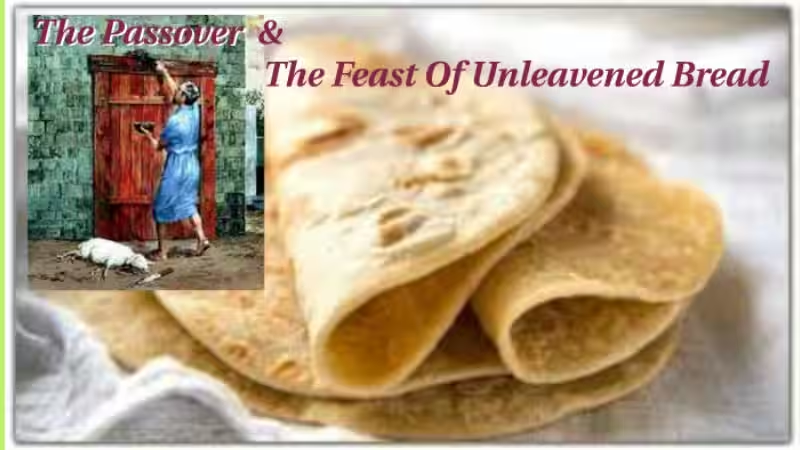
Passover, as detailed in the Bible, is intricately linked to the Exodus narrative. The Israelites, enslaved in Egypt for centuries, experienced hardship and oppression. God heard their cries and, through a series of plagues, demonstrated his power and ultimately delivered them. This powerful narrative of liberation is central to Jewish identity and continues to inspire hope and resilience for generations.
The Story of the Exodus: A Foundation for Passover
The Exodus, recounted in detail in the books of Exodus and Deuteronomy, is the bedrock upon which Passover stands. It’s a story of divine intervention, resilience in the face of adversity, and the ultimate redemption of a people. Imagine a nation oppressed and enduring unimaginable hardship. This is the context of the Exodus, and Passover commemorates their freedom. The Passover story is a powerful allegory for overcoming challenges and embracing hope.
Central to the Exodus is the Ten Plagues. Each plague was a demonstration of God’s power, a stark contrast to the false gods of Egypt. The plagues were not random acts but a deliberate sequence leading to the final, most significant event – the deliverance of the Israelites. These events, recounted in “que es pascua en la biblia,” show God’s unwavering commitment to his people. This example of God’s power is a profound reminder of faith and hope.
The rituals of Passover are deeply symbolic, each element drawing from the Exodus narrative. The Seder, a ritual meal, is a central part of the celebration. The Seder Plate, with its symbolic foods, tells the story of the Exodus. These items often include a roasted shank bone (representing the Paschal lamb), a roasted egg, bitter herbs (recalling the bitterness of slavery), charoset (a sweet paste representing the mortar used by the Israelites), and parsley (symbolizing spring). These symbolic foods are not merely decorative; they’re part of the ongoing conversation and recounting of the narrative. Que es pascua en la biblia is not just a historical event but a living tradition.
The Seder itself is a powerful enactment of the Exodus story. This is a time for reflection, storytelling, and the passing down of tradition from generation to generation. The Seder is not just about remembering the past; it’s about appreciating the present and creating a future based on freedom and justice. The rituals, traditions, and symbolic elements of Passover are deeply connected to the biblical story, making “que es pascua en la biblia” a rich tapestry of faith and cultural heritage.
Passover’s Connection to Christianity: A Legacy of Hope
Passover holds significance for Christians as well. The Last Supper, recounted in the Gospels, is believed to have taken place during Passover. Jesus, a Jew, held the Passover celebration with his disciples, and the elements of the meal – unleavened bread and wine – have taken on new meaning in the Christian tradition. Christians see Jesus’ crucifixion as a fulfillment of the Passover story, a sacrifice for the sins of humanity. Jesus’ death and resurrection are seen by Christians as the ultimate act of liberation, echoing the Exodus experience. Jesus is seen as the ultimate “Lamb of God.” The themes of liberation and sacrifice are central to both traditions.
The connection between Passover and Christian beliefs about salvation underscores the profound impact of this biblical event. Christians see the Passover lamb as a prefiguration of Jesus. The Passover story, in its various interpretations, underscores the power of faith, hope, and the enduring nature of the human spirit. Que es pascua en la biblia is a story that resonates across centuries and faith traditions. It continues to challenge, inspire, and offer comfort to those who examine its meaning.
Frequently Asked Questions about Easter in the Bible
What is Easter in the Bible?
Easter, as a Christian holiday, commemorates the resurrection of Jesus Christ. The biblical accounts, primarily in the Gospels of Matthew, Mark, Luke, and John, detail Jesus’ crucifixion, death, and subsequent resurrection, three days later. While the word “Easter” itself isn’t used in the Bible, the events it celebrates are central to Christian faith.
What is the significance of the resurrection in Christianity?
The resurrection is considered the cornerstone of Christian belief. It signifies the victory of life over death, the fulfillment of prophecies, and the promise of eternal life for believers. It demonstrates Jesus’ divinity and authority, and is the basis for the Christian hope of salvation.
How is Easter celebrated in the Bible?
The Bible doesn’t describe specific celebrations of Easter. The focus is on the events themselves and their theological meaning. Later traditions, like the celebration of the Resurrection, developed within the Christian community.
What are the key biblical passages about Easter/the resurrection?
Key passages include the accounts of Jesus’ final days (including his trial, crucifixion, and burial) and the appearances of the resurrected Jesus to his disciples, found in the Gospels of Matthew, Mark, Luke, and John.
No. Easter is a Christian holiday. The Jewish holiday of Passover, celebrated in the spring, is a different event with a different historical context and relates to the liberation of the Israelites from slavery in Egypt. While there are some historical connections, Easter is distinctly Christian.