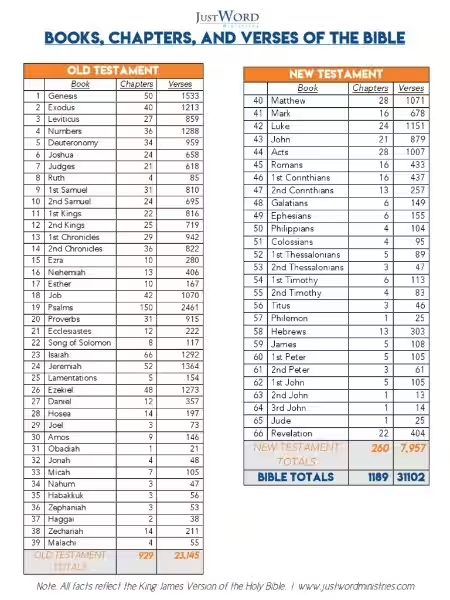
The Bible, a cornerstone of many faiths, is a vast and intricate collection of texts. Understanding its structure—specifically, the organization into chapters and verses—is crucial for navigating and appreciating its profound message. This isn’t just about memorization, but about finding meaning and applying wisdom to your life. Knowing how to use these tools truly opens a world of spiritual insights.
Imagine a massive library filled with countless books, each containing intricate stories and profound teachings. The Bible is like this library, and the chapters and verses act as directional markers, helping you find the specific passages that resonate with you. This system allows you to quickly locate a particular verse, for instance, Matthew 6:34, or a relevant story, like the parable in Luke 15. These references make it easy to discuss specific passages with other believers.
The History and Significance of Chapters and Verses
Chapters and verses, as we know them today, weren’t part of the original manuscripts. They were added much later, in medieval times. Early scribes didn’t have the system we use now. They would mark the text with signposts like “beginnings,” “middles,” and “endings” in their own ways. This historical context allows us to appreciate that the organization we use is a tool, a valuable guide.
The development of this system was driven by a desire for easier referencing and study. Think of it like creating a table of contents for a complex book. For example, if you want to quickly find a specific moral code within the book of Proverbs, you can easily locate it using the chapter and verse numbers. This also allows for cross-referencing between passages, identifying themes and patterns across the entire text.
Understanding the system of chapters and verses isn’t just about memorizing numbers. It’s about understanding the flow of ideas. For instance, a single chapter might outline a key concept, like the Sermon on the Mount in Matthew chapters 5-7. Verses within that chapter further elaborate on specific points. This structure helps us see how ideas are developed and connected. Knowing this, you can engage more deeply with the text. You can study a single verse, but also consider its context within the surrounding verses, paragraphs, and the chapter.
Each chapter and verse is a piece of a larger puzzle. Example: John 3:16 is extremely well-known, but you can study the surrounding verses to better understand the context and the larger message within the chapter. By focusing on the surrounding verses, you can see how the verse fits into the overall message of the chapter and the book. This holistic approach is vital for accurate interpretation. Furthermore, a verse like Romans 12:2 makes more sense when seen in relation to the surrounding context of the chapter.
Applying Chapters and Verses in Daily Life
The Bible is a living document, filled with wisdom and guidance for living a meaningful life. Using chapters and verses allows you to draw practical lessons from Scripture. For instance, Proverbs 31 gives practical advice on how to be a good wife. Or Jeremiah 29:11 offers comforting words of hope in challenging times. We can apply this wisdom to everyday situations, making decisions based on principles we find within these verses. This is more than just reading words; it is about finding relevant instruction for today.
Furthermore, using chapters and verses allows you to share your faith with others. Rather than just saying “the Bible says”, you can point to specific verses, like John 1:12, to reinforce a point during a discussion. This clarity in referencing makes it easier to explain your beliefs and engage in meaningful dialogue with those who hold different perspectives. This makes your faith more accessible and relatable.
Frequently Asked Questions
How many chapters and verses are in the Bible?
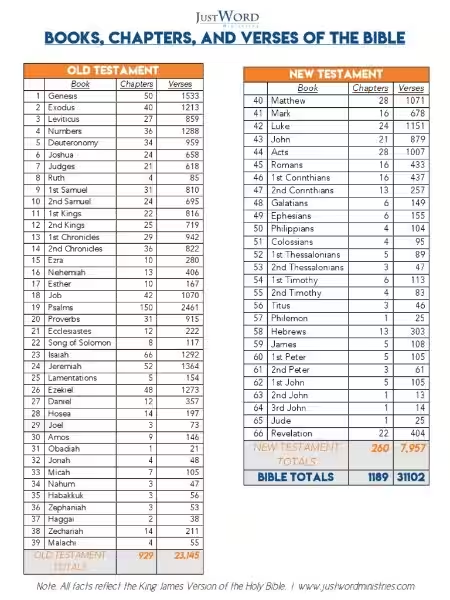
The Bible has approximately 1,189 chapters and over 31,000 verses depending on the version and canon used.
What are the different types of books in the Bible?
The Bible contains different genres, including historical accounts, poetry, prophecy, letters (epistles), and Gospels.
What is the difference between the Old Testament and the New Testament?
The Old Testament focuses on the history of the Israelites and God’s covenant with them, while the New Testament centers on the life, teachings, death, and resurrection of Jesus Christ and the early Christian church.
Why are there different versions of the Bible?
Different translations and interpretations of the original languages (Hebrew, Aramaic, and Greek) lead to various versions of the Bible. These versions aim to translate the original meaning into modern languages.
What is the significance of chapters and verses in the Bible?
These divisions were added much later to aid in referencing specific passages and are not necessarily part of the original text.