The Bible, a collection of sacred texts, holds a profound influence on billions worldwide. Its stories, teachings, and prophecies have shaped cultures, inspired art, and motivated countless individuals. Understanding its structure – the arrangement of books and chapters – provides a framework for navigating this vast repository of knowledge. This exploration aims to make the Bible’s organization more accessible and engaging, encouraging a deeper dive into its rich tapestry of wisdom and history.
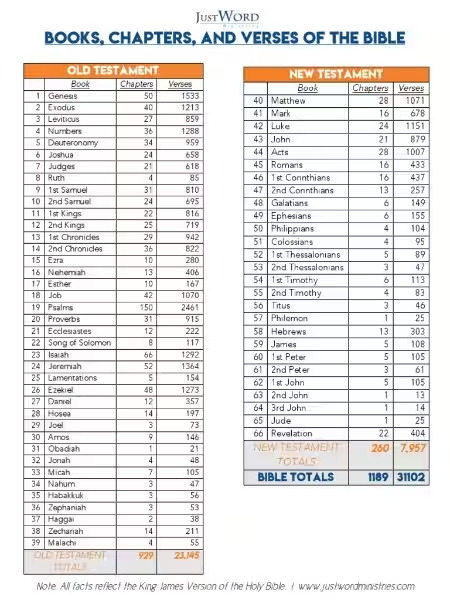
Delving into the Bible’s various books, like exploring a vast library filled with diverse narratives, reveals a fascinating array of genres. From historical accounts like the Book of Genesis (1-11) which details the creation and early history of humanity, to the prophetic pronouncements found in the Book of Isaiah (1-66), the Bible offers a comprehensive view of faith, morality, and the human experience. These diverse genres, each with unique characteristics and purposes, can be better appreciated by understanding the book’s structure.
Navigating the Old Testament: A Journey Through Time
The Old Testament, consisting of a diverse collection of books, acts as a foundational narrative for understanding the covenant relationship between God and humanity. It encompasses laws, poetry, wisdom literature, and prophecies. The books of the Old Testament can be broadly grouped into categories including historical books, like the Book of Joshua (1-24), which chronicles the Israelites’ conquest and settlement of Canaan. Other examples include Samuel (1-2), which details the transition from judges to kings in Israel. Exploring these books illuminates the historical context, cultural nuances, and spiritual principles embedded within each story.
Understanding the historical context of these books is crucial. The Old Testament provides a rich tapestry of human experience, from the struggles of the Israelites to their triumphs, from their obedience to their disobedience. This understanding aids in appreciating the context behind moral lessons. Examples include the stories of Abraham (Genesis 12-25) and Joseph (Genesis 37-50), demonstrating faith, perseverance, and forgiveness. These stories, found in specific chapters, offer valuable insights for navigating contemporary life.
The New Testament: A Fresh Perspective on Faith
The New Testament unfolds the life, teachings, and resurrection of Jesus Christ, offering a new perspective on faith and salvation. It provides a framework for understanding God’s love, forgiveness, and the potential for transformation. Key books like the Gospels (Matthew, Mark, Luke, and John) recount Jesus’ earthly ministry, focusing on his miracles, parables, and teachings. These books, with specific chapters dedicated to particular events, help us understand the essence of Christian belief. For instance, the Sermon on the Mount in Matthew (chapters 5-7) provides a profound guide to ethical living.
The New Testament, through its various books, emphasizes the transformative power of faith and love. Letters, such as those of Paul (e.g., Romans, 1 Corinthians), offer practical guidance on living a Christian life and addressing the challenges faced by early Christians. The Book of Revelation (1-22), while often interpreted as prophetic, offers a powerful message about hope, perseverance, and the ultimate triumph of God. This variety of perspectives within the New Testament is crucial for a comprehensive understanding of Christian theology.
Connecting the Chapters: Finding Meaning in the Whole
Linking the books and chapters of the Bible allows for a more holistic understanding. Understanding the progression of stories and themes across these books provides a deeper appreciation of the Bible’s overarching narrative. The themes of hope, faith, and love, which are often explored in specific chapters, are interwoven throughout the many books. For example, the theme of God’s covenant, initiated in Genesis (especially chapters 15-17), is reiterated throughout the Old Testament and finds its fulfillment in the New Testament, in Jesus’ life and teachings. This connection reveals a powerful message of continuity and divine purpose.
Ultimately, the key to understanding the Bible lies not just in knowing the books and chapters, but in engaging with the text with a spirit of humility and open-mindedness. Analyzing the various literary genres, applying the historical context, and seeking connections between different parts of the Bible enrich the reading experience. The Bible is a living document, engaging with its wisdom can profoundly impact daily life and personal growth. Such engagement fosters a deeper understanding of God’s plan and its relevance to our lives.
Frequently Asked Questions
How many chapters are in the Book of Genesis?
50
How many chapters are in the Book of Revelation?
22
What is religion?
Religion is a system of beliefs and practices related to the supernatural, often involving a deity or deities, rituals, and moral codes.
What are the major branches of Christianity?
Catholicism, Protestantism, and Eastern Orthodoxy are major branches.
What is the difference between a religion and a philosophy?
Religions typically involve faith and worship of a deity or deities, while philosophies provide systems of thought and reasoning to understand the world, often without a belief in a deity.