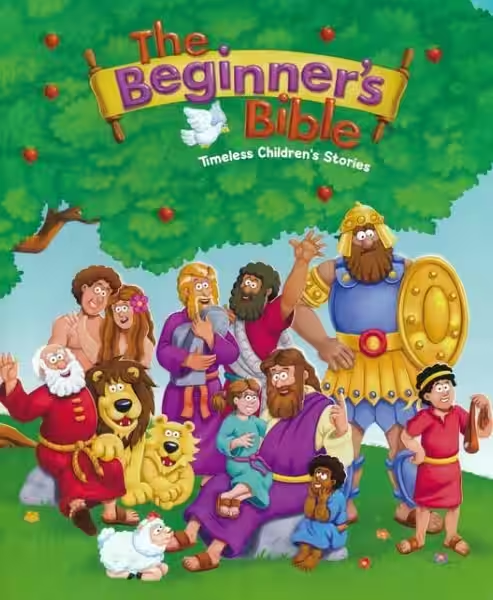
Stepping into the world of the Bible can feel daunting, like navigating a vast and ancient forest. But don’t worry! This Bible guide for beginners will equip you with the essential tools and knowledge to begin your journey with confidence. This introductory guide will help you understand the overall structure, key figures, and fundamental themes, enabling you to approach the text with a sense of purpose and wonder. Learning about the Bible can be a deeply rewarding experience, offering insights into human nature, history, and faith.
This Bible guide for beginners is designed to be accessible and engaging. We’ll break down complex concepts into digestible pieces, providing clear explanations and relatable examples. By focusing on the core message and essential stories, this will provide a solid foundation for your future exploration of this timeless text. Our focus is on making the Bible more personal and less intimidating, enabling you to discover the stories and wisdom that resonate with your own life.
The Bible isn’t a single book, but a collection of sixty-six books, divided into two major sections: the Old Testament and the New Testament. The Old Testament tells the story of God’s relationship with the ancient Israelites, from creation to the prophets. The New Testament, on the other hand, focuses on the life, teachings, death, and resurrection of Jesus Christ. Understanding this fundamental structure is crucial for a Bible guide for beginners. It provides a framework to appreciate the narrative flow and continuity.
This structured approach of the Bible is essential. Imagine it as a multi-part story. The Old Testament lays the groundwork, preparing the way for the New Testament’s central message. The Old Testament features key figures like Abraham, Moses, and David. The New Testament includes crucial figures such as Jesus, the apostles, and key events that shaped Christianity. This Bible guide for beginners offers a clear pathway to understanding these essential parts.
Key Themes of the Bible
Underlying the stories in the Bible are several recurring themes. Concepts like love, forgiveness, justice, and hope emerge frequently throughout the text. Understanding these themes provides a deeper appreciation for the Bible’s message. This Bible guide for beginners will help you to discover how these themes are woven into different narratives and relate them to your own life. This understanding will also enable you to draw connections between the stories and their relevance today.
A good example of this is the theme of forgiveness. It’s present in stories like the parable of the prodigal son and the story of the forgiveness of the repentant thief on the cross. These stories highlight the powerful message of forgiveness, a concept that is central to the Bible. This Bible guide for beginners will help you identify these themes in different sections, helping you to understand the underlying message. Exploring these themes in detail provides a deeper, more meaningful understanding of the Bible’s message.
Getting Started with Your Reading
Now that you have a basic understanding of the Bible’s structure and key themes, it’s time to begin your reading journey. Start with the Books of the Bible sections in most Bible versions to get an overview of the contents. Don’t feel pressured to read the entire Bible at once! Begin with smaller sections, focusing on the stories that resonate with you, like the stories of creation, the parables of Jesus, or the lives of the prophets. This is an often cited tip in Bible guides for beginners.
Consider using study Bibles or commentaries. These resources offer valuable insights into the historical context, cultural nuances, and literary styles of the original texts. You could also join a study group or Bible study class to discuss the readings with others. These options provide a supportive community for exploring the Bible’s message together, which can be invaluable for a Bible guide for beginners. Remember, the journey of understanding the Bible is a personal one. Take it slowly, reflect on what you read, and allow the stories to touch your heart.
Finding a Bible Study Method
There are many different ways to approach Bible study. Choosing a method that suits your personality and learning style is crucial. Some popular methods include devotional reading, journaling, or small group discussions. Consider your personal preferences and what would work best in terms of time and commitment. The key is simply to find a method that will help you engage with the text on a personal level, and a Bible guide for beginners should assist you in this.
A great approach for a Bible guide for beginners is focusing on a specific book or set of related passages. Concentrating on a smaller section will make the study feel less overwhelming. For instance, you could choose the book of Proverbs for its wisdom or the Gospel of Luke to focus on Jesus’ teachings. These are just a few practical examples. The Bible is rich with diverse narratives, and there’s something for everyone to relate to. Remember to approach this as your own personal journey.
Conclusion: Embracing the Journey
Embarking on a journey through the Bible is a rewarding and enriching experience. With this Bible guide for beginners, you’ve gained a helpful foundation for navigating this complex text. Start with the essentials – understanding the structure, key themes, and finding a comfortable approach. Remember that there are many different ways to engage with the Bible. The important thing is to find a path that resonates with you and fosters a deeper understanding of this timeless text. Your journey into understanding this ancient text begins now.
Your personal journey with the Bible is unique. Let the wisdom and stories within inspire and shape your own life. By focusing on these steps, you can begin to unlock the deeper meanings and powerful messages embedded within the pages of this ancient book. Using a Bible guide for beginners is a great way to start this transformative journey.
Frequently Asked Questions: Bible Guide for Beginners
What is the Bible?
The Bible is a collection of religious texts, primarily composed of the Old Testament and the New Testament. It’s considered sacred by Christians and is a significant source of religious guidance and inspiration for many.
What are the Old and New Testaments?
The Old Testament tells the story of God’s relationship with the people of Israel, from creation to the time of Jesus. The New Testament focuses on the life, teachings, death, and resurrection of Jesus Christ, and the early Christian church.
The Bible was written by many authors over hundreds of years. Different books were written by prophets, kings, apostles, and others who were inspired by God.
Why should I read the Bible?
Many people find the Bible to be a source of wisdom, moral guidance, and spiritual nourishment. It can offer insights into life’s big questions and help individuals develop a deeper understanding of themselves and the world around them.
What are some key themes in the Bible?
Key themes include the nature of God, the importance of relationships, the concept of sin and redemption, and the promise of hope and eternal life. Different books emphasize different themes.
How do I start reading the Bible?
A good starting point is to read the Gospels (Matthew, Mark, Luke, and John) in the New Testament, which tell the story of Jesus’s life. You can also read the book of Psalms for its poetry and prayers.
What is religion?
Religion is a set of beliefs and practices related to a particular deity, or deities, often associated with rituals, moral codes, and a community of believers. Different religions have different approaches to spirituality and life.
What are different types of religion?
There are many different religions in the world, each with its own unique beliefs and practices. Examples include Christianity, Islam, Judaism, Hinduism, and Buddhism.
Is there a right way to read the Bible?
There is no single “right” way to read the Bible. Different people approach it with different intentions and perspectives. Some may focus on the historical context, others on the theological principles, or consider the personal application to their lives.