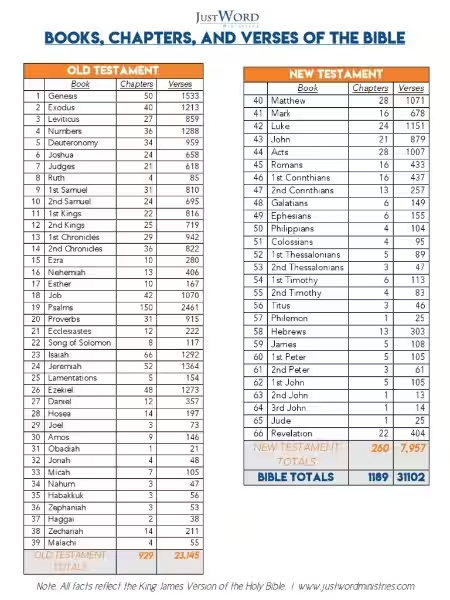
The Bible, a collection of sacred texts, has guided countless lives and shaped civilizations for millennia. Its profound wisdom, ethical teachings, and historical accounts continue to resonate with people today. Understanding the structure of the Bible, particularly the division into books and chapters, can unlock a deeper appreciation for its message. We’ll explore how these organizational elements facilitate the study and comprehension of this significant collection of religious texts. Navigating the Bible by book and chapter not only provides structure but also allows us to delve into specific narratives, prophecies, and teachings with greater focus.
The Bible’s organization into books and chapters is a crucial tool for readers. Imagine trying to understand a vast encyclopedia without chapters or sections; it would be overwhelming. Similarly, the Bible’s intricate stories, poetry, and prophecies would be much harder to access and interpret without this organizational framework. This methodical system enables readers to quickly locate specific passages regarding, say, the life of Jesus (Matthew 1:1-28), the Ten Commandments (Exodus 20:1-17), or the prophecies of the future (Revelation 21:1-8). This breakdown allows for targeted study, contemplation, and personal application of the scripture.
The Bible is divided into two primary sections: the Old Testament and the New Testament. The Old Testament comprises historical accounts, poetry, and prophetic writings, mostly focused on the Jewish people. The New Testament recounts the life, teachings, death, and resurrection of Jesus Christ and the early development of the Christian community. Each section contains multiple books, each with its own unique theme and purpose. For instance, the book of Genesis (Genesis 1-50) in the Old Testament details creation and the early history of humanity. The Gospels (Matthew, Mark, Luke, and John) in the New Testament focus on the life and teachings of Jesus.
Recognizing that the different books have distinct characteristics is key to understanding their respective messages. Historical books like Joshua and Judges recount significant events. Prophets like Isaiah and Jeremiah deliver messages of hope and warning. Poetic books like Psalms and Proverbs offer profound wisdom and reflection. Understanding these varied genres allows for different approaches to interpreting and appreciating the text, avoiding, for example, attempting to interpret a psalm literally in the same way you would a historical account. This careful distinction in approach is vital for a complete comprehension of the Bible’s teachings.
Understanding the Significance of Chapters and Verses
The division of books into chapters and verses is a later development. These divisions, though helpful, are not divinely inspired in the same way as the original text. These divisions were established to facilitate easier referencing within the text and were primarily determined by early scholars and translators. Using these subdivisions, you can isolate particular incidents or ideas within a larger narrative. Think of it like a detailed table of contents; it allows you to pinpoint the exact passage you are looking for, making for a focused study experience. This organized structure aids in identifying key ideas, tracing narrative developments, and comparing different passages.
Chapters and verses are essentially tools for effective study. They help readers navigate complex narratives, examine the context of specific statements, and see how different parts of the Bible connect to one another. For example, studying the parable of the Good Samaritan (Luke 10:25-37) in its entirety, within its chapter and verse context, allows a deep dive into Jesus’s teachings on compassion and love. Using these structural components allows you to appreciate both the details and the larger themes of the Biblical text. We can also see how these different parts contribute to the overall overarching story of God’s relationship with humanity.
The Bible’s organization into books, chapters, and verses is an essential framework for studying and understanding its profound message. By understanding the structure, readers can navigate the text effectively and appreciate the various genres and themes within. Whether you’re a seasoned reader or just starting your journey, understanding these organizational tools can enhance your experience and deepen your appreciation for the Bible’s enduring wisdom and timeless stories.
Ultimately, studying the Bible is a lifelong journey of discovery, and navigating the system of books, chapters, and verses is an important step in this journey. The Bible’s inherent value lies not just in the individual passages but also in the tapestry of stories, teachings, and traditions woven together over millennia. Remember, the Bible is a living text and the beauty lies in the individual connections each person will make as they delve deeper within its profound and enduring message.
Frequently Asked Questions
What is the Bible?
The Bible is a collection of religious texts sacred to Christianity, Judaism, and others. It’s composed of the Old Testament and the New Testament.
What are the books of the Bible?
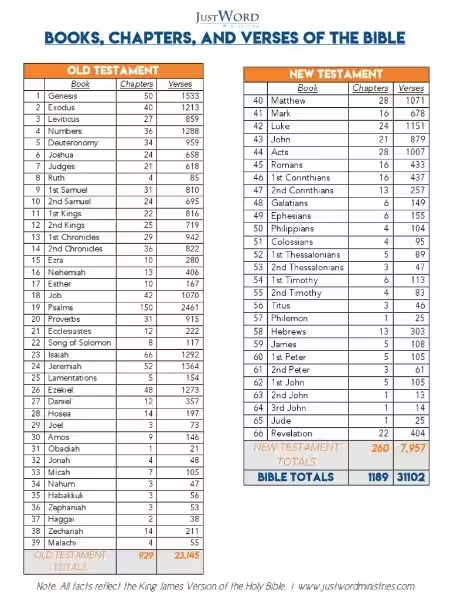
The books of the Bible vary slightly depending on the specific Christian denominations. However, the common Protestant canon includes 39 books in the Old Testament and 27 in the New Testament. A complete list can be found online.
How many chapters are in each book of the Bible?
The number of chapters varies greatly between books. Consulting a Bible will show this information.
What is religion?
Religion is a set of beliefs and practices related to the supernatural, the divine, or the sacred. It often involves rituals, ceremonies, and a community of believers.