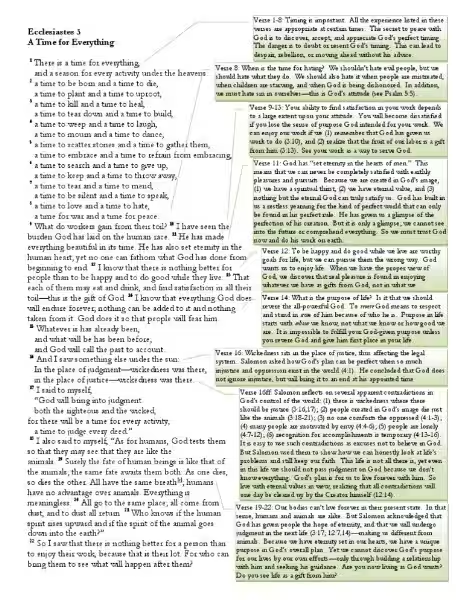
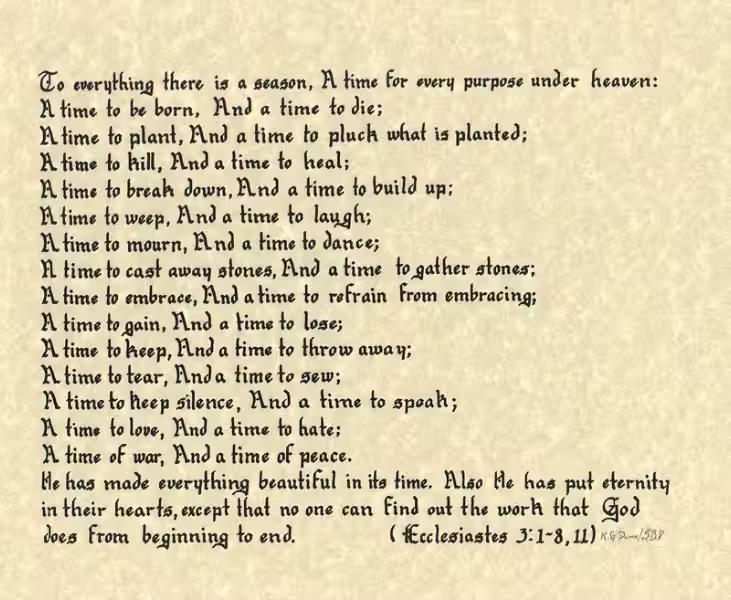
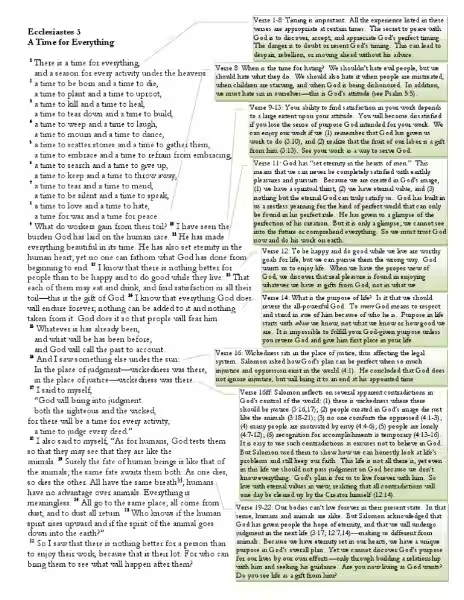
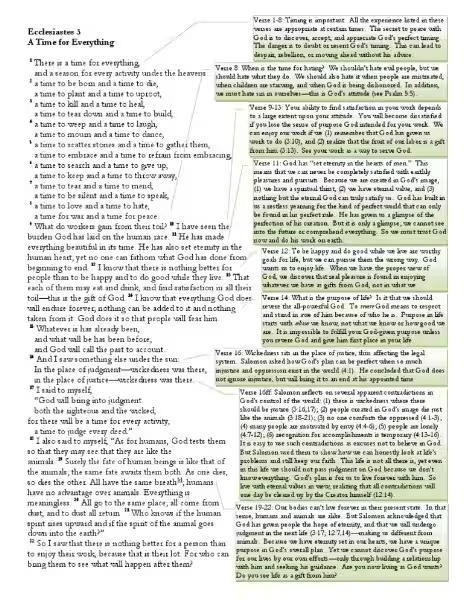
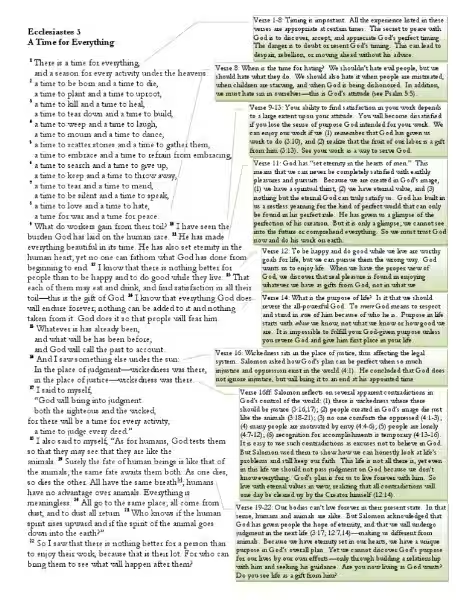
We all experience seasons – times of joy, sorrow, abundance, and scarcity. Life, like the natural world, is cyclical. Just as the seasons change, so too do our circumstances. This article explores the biblical perspective on these cyclical shifts, offering insight and encouragement for navigating the various seasons of life. The concept of season is often woven into scripture, highlighting that each time in our lives, however challenging or blissful, is a gift, a chance to grow and learn. “For everything there is a season, and a time for every matter under heaven” (Ecclesiastes 3:1). This verse reminds us that there’s a predetermined order to life, and each season has its own unique purpose.
The concept of season in the Bible isn’t just about the literal changing of weather patterns; it’s a powerful metaphor for the fluctuations and transitions we encounter. Imagine the farmer in the Old Testament, meticulously tending his fields, understanding the precise time to plant and harvest. The same careful observation can be applied to our own lives. Learning the rhythm of our lives, recognizing the crucial moments of planting, nurturing, and reaping, allows us to live more fully and purposefully. Understanding the “seasons” in the Bible offers invaluable lessons for navigating the ebb and flow of our own experiences and developing a deeper relationship with God.
The Bible frequently uses natural phenomena like seasons to illustrate the eternal cycle of life. From the planting of seeds to the harvest, the natural world showcases the cyclical nature of existence, reflecting the patterns of our own lives. “He causes the grass to grow for the cattle, and vegetation for the service of humankind” (Psalm 104:14). This verse reminds us that even in the most challenging times, there is a purpose. The seeming chaos of life is often a precursor to a greater, more profound outcome.
Just as winter prepares the earth for spring, difficult times can prepare us for a richer, more meaningful future. These trials often serve as opportunities for deep introspection, for growth in character, and for a greater reliance on faith. Remember the story of Joseph, who faced imprisonment and hardship, yet ultimately led his family through a time of great need? He learned patience, resilience, and forgiveness. These seasons of hardship can be opportunities for growth, just as the seasons of abundance can be opportunities for gratitude and generosity.
Seasons of Joy and Sorrow: Finding Balance
The Bible acknowledges both the joyful and sorrowful aspects of life. “There is a time to weep, and a time to laugh; a time to mourn, and a time to dance” (Ecclesiastes 3:4). This verse underscores the importance of embracing both extremes. These seasons require different responses; we may need to cry out to God during times of pain and hardship, and we may need to celebrate with gratitude during times of plenty. Both are important parts of the journey. Experiencing a wide range of emotions is a natural part of being human.
Think about the various seasons in your own life: the joy of a new relationship, the sorrow of a loss, the challenge of a major life change. Recognizing the temporary nature of these periods allows us to find a balance. We must learn to cultivate gratitude in times of plenty, and resilience in times of struggle. The Bible teaches that these opposites are not opposing forces, but rather part of the same, beautiful, and complex tapestry of life.
Ultimately, a key message in scripture is that we are never alone in our seasonal experiences. “Cast all your anxiety on him because he cares for you” (1 Peter 5:7). This verse emphasizes the importance of relying on God’s unwavering love and provision, regardless of the challenges or joys we face. We are encouraged to turn to God in prayer, in faith, and in trust. Finding strength in prayer and community becomes crucial during seasons of trouble.
Imagine a garden, carefully tended, with beautiful flowers blooming, and abundant fruits filling the trees. It requires understanding the rhythm of the seasons to ensure the harvest. Similarly, we need to embrace the rhythm of our lives, with the highs and lows. Acknowledging the seasons of life, and understanding God’s role in each, can offer us a sense of peace, purpose, and hope. With faith, we can navigate any season, with the strength of the Bible’s teachings. Trust in God’s plan; He is with us through every step of the way.
Frequently Asked Questions
What Bible verses talk about seasons?
While there isn’t a single verse explicitly about “seasons” in the way we might think of them today, several passages allude to the cyclical nature of time and God’s role in creation and its order. For example, Psalm 104:19 speaks of God appointing the time for the grass to grow, implying a seasonal pattern. The book of Genesis describes the creation of day and night, which are foundational to the concept of seasons. Many other passages reflect the cyclical nature of life and the seasons as a metaphor for God’s providence and care for creation.
Different religions have varying perspectives on seasons. In many, the changing seasons are seen as part of a larger cycle of life, death, and rebirth, reflecting the cyclical nature of the cosmos. Some religions link the seasons to specific deities or rituals, interpreting certain seasons as times for specific celebrations or observances. The agricultural aspects of seasons are often important, highlighting the importance of the natural world and the role of humans within it.