The Jewish Seder, a meticulously crafted ritual meal, is more than just a delicious feast; it’s a powerful storytelling experience. Each dish, each phrase, and each activity is carefully planned to connect generations to the enduring narrative of the Exodus. This annual celebration commemorates the liberation of the Israelites from slavery in ancient Egypt, a story steeped in resilience, faith, and hope. The Seder itself is a deeply personal experience, shaped by family traditions and individual interpretations.
The Seder’s structure is a carefully orchestrated performance, where specific foods and prayers are meticulously placed, highlighting pivotal moments in the Exodus. This isn’t just a meal; it’s a living history lesson. The Haggadah, a book of readings and instructions, guides the Seder, often including family-specific additions and adaptations. This shared experience, steeped in history and enriched with the ritualistic “Four Questions” at the beginning of the meal, establishes a sense of shared participation. Many families even customize their Haggadahs with personal stories, bringing the Exodus narrative to life in their own unique way.
The Seder meal script, or Haggadah, is the backbone of the entire ceremony. It’s a carefully structured narrative, weaving together historical accounts with symbolic foods, prayers, and songs. Key elements like the “Four Questions” often asked by the youngest members of the family, set the stage for the entire evening. These questions prompt reflection on the journey of the Israelites, encouraging deeper understanding and engagement. This part of the Seder can be significantly engaging, fostering a sense of shared discovery.
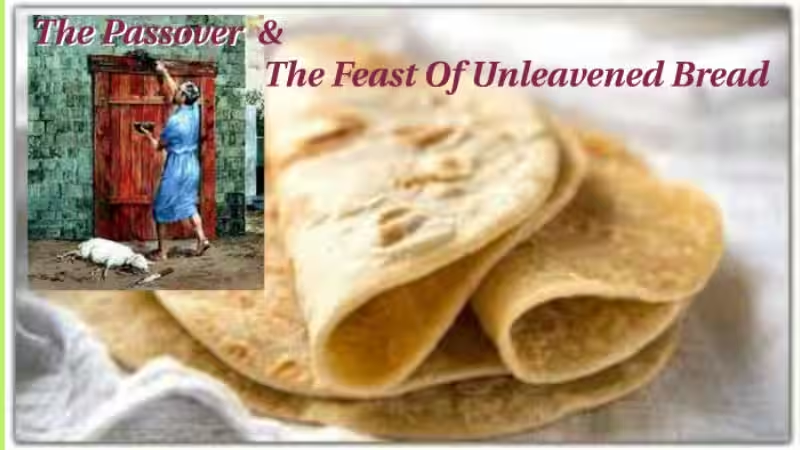
The Haggadah isn’t just a collection of facts; it’s a tool for storytelling. It incorporates symbolic actions like the dipping of the parsley into salt water, representing tears, or the eating of matzah, a bread that symbolizes the Israelites’ hasty departure, and the symbolic foods like the charoset. The descriptions and explanations guide participants through the significance of each element, making the Seder not just a meal, but a lesson in Jewish history and tradition. Consider this example: the Seder plate holds a multitude of symbolic foods, each with a story behind it. The matzah, for example, represents the haste with which the Israelites left Egypt, lacking time to let their bread rise.
Understanding the Symbolic Elements of the Seder
The Seder meal is a rich tapestry of symbolism. The Seder plate, for example, is more than just a serving platter; it’s a visual representation of the Exodus narrative. Each item on the plate has a specific meaning. Examples include the charoset, which symbolizes the mortar used by the Israelites during their enslavement, and the bitter herbs, which represent the bitterness of slavery. These symbolic foods, paired with the readings of the Haggadah, create a powerful and impactful experience. The Seder acts as an educational tool, teaching both the historical aspect of the Exodus and the symbolic interpretations. This emphasis on symbolism adds depth and richness to the meal, making it a memorable experience for all those participating.
The Haggadah also includes specific prayers and songs. These prayers offer a profound connection to a timeless story. Prayers often expressed gratitude for the freedom experienced by the Israelites, weaving into the present time. The inclusion of specific passages from the Torah reinforces the historical connection. The Seder, through this combination of symbolic foods and prayers, becomes a powerful and meaningful exercise in both remembering the past and appreciating the present. The songs included in the Seder also help to create a sense of community and shared experience.
The Seder is not just about following a script; it’s about personal engagement and reflection. Families can tailor the experience to their own needs and interests. One way to enhance your family’s Seder is to discuss the stories and themes of the Exodus in more detail. Another method is to connect the lessons of the Seder to current events, highlighting the enduring relevance of the story of resilience and hope. This personalization makes the Seder more relatable and engaging for younger generations. For instance, discussing how the Israelites persevered despite adversity can be a particularly meaningful aspect. By integrating the story with their own lives and experiences, participants can make a deeper connection to the Seder.
Engaging children in the Seder is crucial. You can tailor the discussion to their level of understanding, using age-appropriate examples. The Seder can become a learning experience for everyone. By actively participating, families can ensure that the traditions and values of the Jewish people endure and continue to inspire generations to come. The engagement also ensures that the Seder’s rich history, rituals, and traditions, are passed on. This shared experience is often the strongest tool for fostering a sense of belonging and cultural connection.
Frequently Asked Questions about the Jewish Seder Meal
What is a Seder?
A Seder is a Jewish ritual meal celebrated on the first (and sometimes second) night(s) of Passover. It commemorates the liberation of the Israelites from slavery in ancient Egypt, as described in the Book of Exodus.
What is the purpose of the Seder?
The Seder serves multiple purposes: to retell the story of the Exodus, to educate children about Jewish history and tradition, and to create a communal experience for family and friends.
The Seder follows a specific order, or hagadah, which includes prayers, readings from the Torah, symbolic foods, and the telling of the Passover story.
What are the symbolic foods at a Seder?
Symbolic foods, like matzah (unleavened bread), maror (bitter herbs), charoset (a sweet paste), and a roasted shank bone, represent various aspects of the Exodus story and the Jewish experience.
What is the role of the Haggadah?
The Haggadah is the book used during the Seder. It contains the order of the Seder, prayers, readings, and the story of the Exodus.
How does the Seder relate to religion?
The Seder is a deeply religious ritual that connects Jews to their history, heritage, and faith. It fosters a sense of community and shared identity through the storytelling, symbolism, and prayers.
What is the significance of the Four Questions?
The Four Questions, asked by the youngest participant, encourage engagement and critical thinking about the significance of the Seder and the Passover story.
Who is typically involved in the Seder?
Seders are often attended by families and communities, bringing together multiple generations.
Are there variations in Seder traditions?
Yes, different Jewish communities may have slight variations in their Seder traditions, but the core themes and purpose remain consistent.