Many of us, in our daily lives, encounter situations where vulnerable individuals require our empathy and support. Within the tapestry of human experience, a specific group stands out: widows and orphans. These individuals, often bereft of their primary support systems, face unique challenges. The Bible, in its wisdom, echoes a powerful call to action, urging us to embrace our responsibilities towards these vulnerable souls. This article explores the historical and contemporary relevance of this imperative, and offers practical ways to translate this biblical guidance into meaningful actions.
Understanding the historical context of this call to care for widows and orphans is crucial. Throughout the Bible, there are numerous instances where concern for these marginalized groups is highlighted. The concept isn’t merely a passing mention; rather, it’s firmly rooted in the principles of justice and compassion. Consider, for example, the numerous verses that emphasize the importance of fair treatment and support for those in need. These teachings resonate profoundly even today, reminding us of our shared humanity and the moral obligation we each hold to uphold justice.
The Bible consistently emphasizes the importance of taking care of the vulnerable. This is evident in various passages, particularly those that speak to justice, compassion, and charity. Examples abound in the Old and New Testaments. The concept is not just about providing financial assistance; it also encompasses emotional support, practical help, and advocating for their well-being. Ultimately, it’s about creating a safe and supportive environment where they can thrive. This includes providing housing, food, and education – all essential ingredients for a fulfilling life. A simple act of kindness, a listening ear, or a helping hand can be transformative to these individuals.
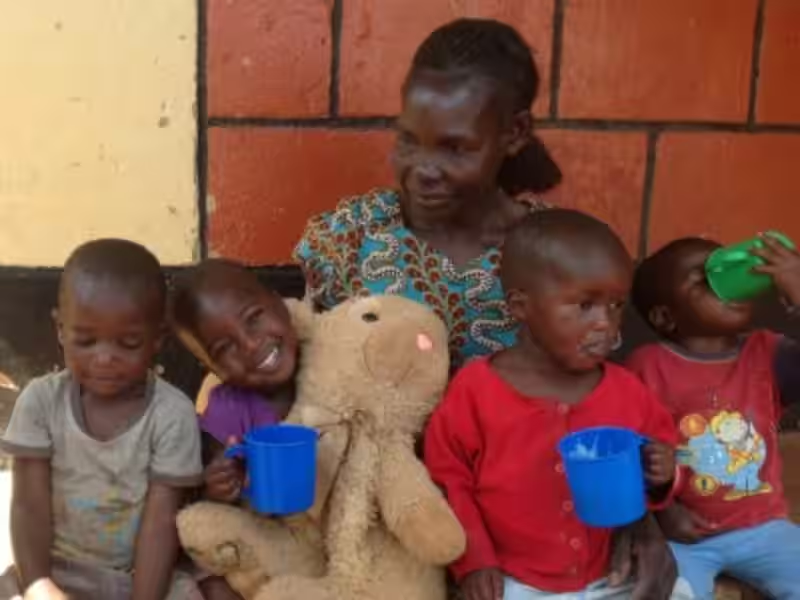
The biblical mandate isn’t just a theoretical concept; it’s a practical one. Imagine a widow struggling to manage her household after losing her husband. Or a young orphan who has lost their family and doesn’t know where to turn. These scenarios are not isolated incidents; they are a stark reminder of the pressing need for compassion and care in our communities. The lessons we learn from the Bible can help us to approach these scenarios with a compassionate heart, and with a clear understanding of the support these people need.
Contemporary Applications
In the modern world, the needs of widows and orphans may manifest in different ways. Economic hardship, social isolation, and lack of access to education are just a few examples. “Take care of widows and orphans; it is a way of honoring God” – The Bible’s message remains consistent. We need to adapt our approaches to tackle contemporary challenges. For example, supporting widows through access to financial literacy programs or connecting orphans with mentors can offer profound benefits to these individuals. Creating opportunities for these groups to learn new skills, and develop their talents can also help them to lead fulfilling lives. Community gardens, after-school programs, and access to job training are just some examples.
Volunteering time, donating resources, and advocating for supportive policies can play a vital role in supporting widows and orphans. Consider starting a support group for widows in your community. Organize a donation drive for orphanages or even sponsor a child. These actions are concrete ways to translate the Bible’s call into tangible and meaningful actions. Remember, your actions, no matter how small, can make a huge difference. The Bible teaches us that helping others is a pathway to a richer and more meaningful life.
The responsibility of caring for widows and orphans extends beyond individual actions; it requires a proactive and supportive community. Building relationships with those in need, actively listening to their concerns, and providing practical assistance are key components. We can start by identifying the specific needs of widows and orphans in our communities. For example, providing transportation, organizing educational programs, and even creating safe spaces for children are crucial steps. Supporting organizations that work to empower these communities is another powerful way to contribute, such as providing financial support or volunteering time.
Mutual support networks, where people come together to share resources and offer assistance, can be incredibly effective. Think about establishing a support network that specifically focuses on the needs of widows and orphans. Through consistent effort and collaboration, we can create a community that fosters compassion and care for all. The core principle of caring for the marginalized is a central theme in the Bible. By embracing this principle, we can build a more just and compassionate society for everyone.
The call to care for widows and orphans is a powerful message that echoes through the ages. By drawing inspiration from biblical teachings, we can cultivate a society that embraces compassion, justice, and care for the vulnerable. Remember, “Take care of widows and orphans. It is a way of honoring God.” The practical application of this principle can empower us to make a profound difference in the lives of those who need it most. By working together, we can create a world where everyone feels safe, supported, and valued.
This responsibility isn’t solely religious; it’s a fundamental human obligation. Ultimately, by embracing care for widows and orphans, we are building a more compassionate and just world for everyone.
Frequently Asked Questions
What Bible verses talk about caring for widows and orphans?
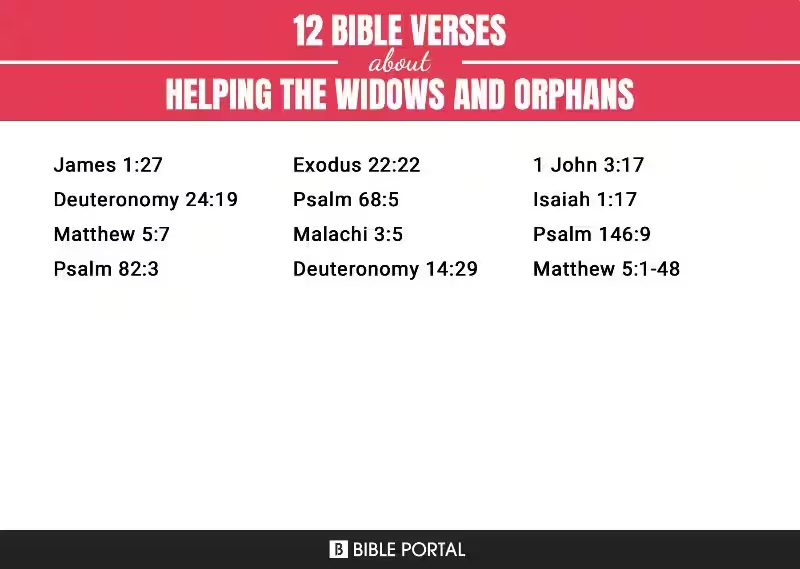
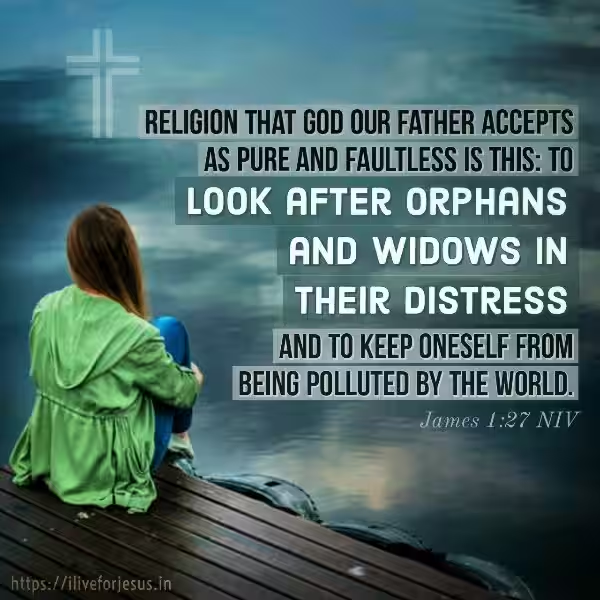
While not a single verse specifically details “taking care of widows and orphans,” numerous passages emphasize compassion, justice, and care for vulnerable populations. Examples include Deuteronomy 10:18, James 1:27, and Matthew 25:31-46, where Jesus emphasizes caring for the poor, the needy, and the marginalized. These verses, along with many others, suggest a responsibility to care for those lacking support.
What is the religious perspective on caring for widows and orphans?
Many religions emphasize the importance of caring for the vulnerable. This is often seen as a moral imperative and a demonstration of faith. The specific interpretations and practices may vary among religions but the underlying principle of compassion and social responsibility is often shared.