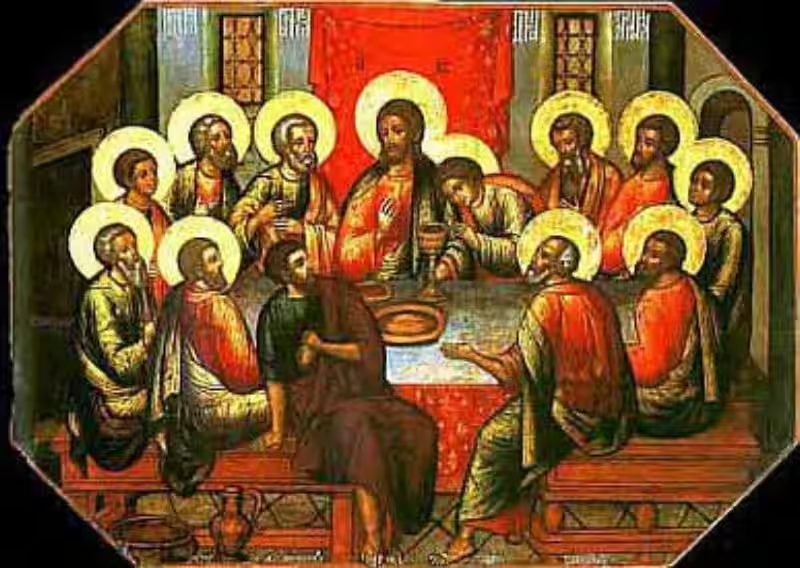
Exploring the lives and teachings of saints is a journey into the heart of faith, a journey that can resonate deeply with our own lives. Saints’ scripture offers profound insights into living a virtuous life, providing examples of resilience, compassion, and unwavering devotion. These narratives, often woven into the fabric of religious tradition, help us understand the principles of love, forgiveness, and service to others that are central to many faiths. The depth of these stories lies in their ability to connect us to a shared human experience, reminding us that we are not alone in our struggles and triumphs.
The lives of saints, as recorded in saints’ scripture, are often more than just historical accounts; they are living testaments to the power of faith and the transformative impact it can have on individuals. These stories inspire us to confront our own fears, to embrace challenges with courage, and to seek meaning beyond the mundane. We discover in these accounts a profound message: we are all capable of extraordinary goodness when we embrace the spirit of faith and compassion. For example, consider the unwavering faith of St. Teresa of Avila, whose writings and actions exemplify a powerful life of devotion and spiritual growth.
Understanding the Different Types of Saints’ Scripture
Saints’ scripture isn’t a monolithic entity; it encompasses a wide range of texts and traditions. These texts include hagiographies, which are biographies of saints, and letters, sermons, and other writings attributed to them. Hagiographies are often filled with accounts of miraculous events and powerful teachings, offering valuable insights into the faith and values of the time. These writings, like the lives of the saints, vary; for example, some saints are venerated for their acts of charity, while others are honored for their wisdom and divine contemplation.
In addition to formal texts, the stories and legends surrounding saints are often passed down through oral tradition. These tales, interwoven with the cultural tapestry of the time, provide unique perspectives on the lives of the saints and the values they represent. Consider the impact of these oral traditions on the development of religious communities, fostering a shared understanding of faith and encouraging the propagation of important ideals. These often include stories of miracles, acts of charity, and profound spiritual awakenings. For instance, the legends surrounding St. Francis of Assisi reflect a deep connection to nature and a profound love of God and humanity.
Connecting with the Saints’ Spiritual Journey
A key aspect of studying saints’ scripture is recognizing the human element within the divine. Saints were not perfect beings; they were individuals who wrestled with doubt, experienced setbacks, and ultimately, found strength in faith. By understanding their struggles, we can also connect with our own human experiences and discover ways to overcome our own challenges. Emphasizing the humanity of saints helps us empathize with their journey, which can be incredibly powerful for personal development. For instance, St. Augustine’s struggles with sin and his eventual conversion to Christianity serve as a powerful example of the human capacity for spiritual transformation.
Drawing inspiration from the saints’ scripture can be a profound way to deepen our own spiritual lives. By examining their lives, we can identify valuable lessons on how to live a more meaningful life. These include virtues such as courage, humility, and sacrifice. Consider the example of the courageous St. Joan of Arc, who embodied strength and conviction in the face of adversity. Furthermore, understanding the lives of saints helps us to see the broad range of human experiences that can coexist within a religious tradition, offering a unique and relatable perspective.
The wisdom contained in saints’ scripture transcends time. The principles of faith, compassion, and service that guided saints centuries ago remain relevant today. Developing a strong moral compass and living a virtuous life can be inspired by the lives of saints. For example, the teachings of St. Francis of Assisi highlight the importance of caring for the environment and all living creatures. By understanding these examples, we can discover unique ways to apply these principles to our own modern lives.
Learning from the lives of saints can offer practical guidance in navigating life’s challenges. The struggles and triumphs of these figures provide valuable lessons for our own personal and spiritual growth. Forgiveness, patience, perseverance, and self-reflection are all themes highlighted in saints’ scripture, and they are crucial for personal development in our modern world. This is illustrated by the life of St. Benedict, whose emphasis on prayer and work became a cornerstone of monastic life and influenced many individuals for centuries to come.
Frequently Asked Questions about Saints and Scripture
What is the role of saints in religion?
Saints are individuals recognized for their exceptional holiness and exemplary lives, often venerated for their connection to the divine and their ability to intercede on behalf of others. Different religions have varying perspectives on the nature and role of saints.
How are saints recognized in different religions?
Criteria for sainthood vary across religions. Some religions emphasize a person’s exemplary life, miracles, or martyrdom. Others focus on their adherence to religious teachings and practices.
What is the significance of scripture in religion?
Scripture provides a guide for religious beliefs, practices, and moral codes. It often contains historical accounts, foundational stories, and teachings considered divinely inspired.
What are the different types of religious scriptures?
Different religions have various scriptures, including sacred texts, prophecies, and historical accounts. These texts may be interpreted literally or symbolically.
How do scriptures inform religious practices?
Scriptures are often the basis for religious rituals, prayers, and ethical guidelines. They offer instruction and inspiration for believers.
How are scriptures interpreted?
Interpretations of scripture can vary depending on individual beliefs, religious tradition, and historical context. Scholarly analysis and theological perspectives often play a role.
What is the relationship between saints and scripture?
Saints are often seen as embodying the teachings of scripture and living examples of the principles outlined within. Their lives can be interpreted as illustrations or extensions of religious texts.
Are saints depicted in scripture?
The depiction of saints varies across religious traditions. Some scriptures feature figures who later became recognized as saints, while others do not explicitly refer to them.
How do different religions view the concept of miracles?
Miracles are often associated with saints and are seen as divine interventions. Different religions have various perspectives on the nature and possibility of miracles, often based on their understanding of the divine.
How do individuals connect with saints and scripture?
Individuals connect with saints and scripture through prayer, study, contemplation, and personal reflection. This connection can foster a deeper understanding of faith and spiritual practice.