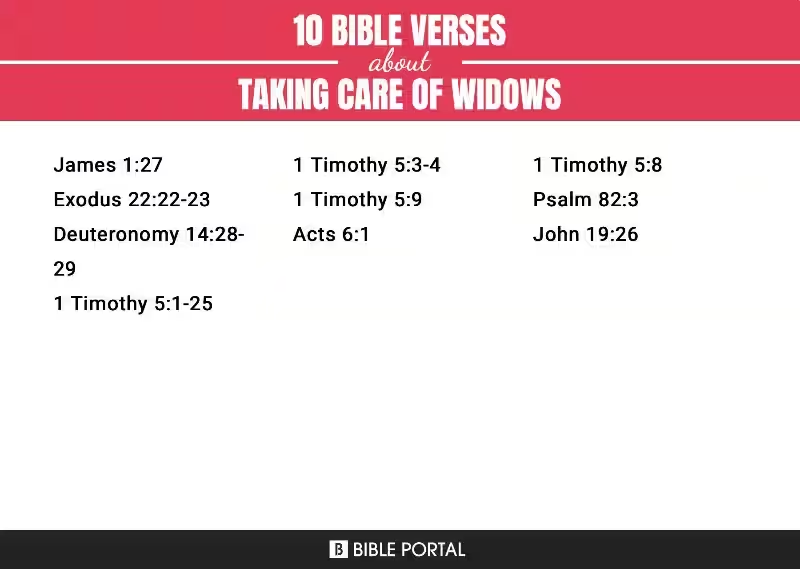
In a world often characterized by rapid change and personal struggles, the timeless message of caring for the vulnerable resonates deeply. Compassion for widows and orphans, a concept deeply rooted in religious texts, particularly the Bible, is not simply a historical ideal, but a vital responsibility in our present-day lives. Helping these individuals can be challenging, but the rewards, both for the recipient and the giver, are immeasurable. This article explores the biblical mandate to care for widows and orphans and examines practical ways to translate this ancient wisdom into meaningful action in our modern world.
The Bible, across various books and chapters, underscores the importance of tending to the marginalized. From the Old Testament’s emphasis on justice and fairness, to the New Testament’s teachings on love and compassion, the concept of supporting those in need is woven into the fabric of religious thought. These passages highlight the importance of actively engaging with the community, offering practical help to widows and orphans, rather than merely offering passive support. This includes offering tangible assistance, whether it be financial support or simply a listening ear.
Many verses in the Bible emphasize the responsibility of the community to care for widows and orphans. For instance, Deuteronomy 10:18 emphasizes justice for the vulnerable, stating “He defends the cause of the fatherless and the widow.” This underscores that God advocates for those without protection, prompting Christians to do the same. This isn’t just a spiritual duty; it’s a reflection of God’s own character.
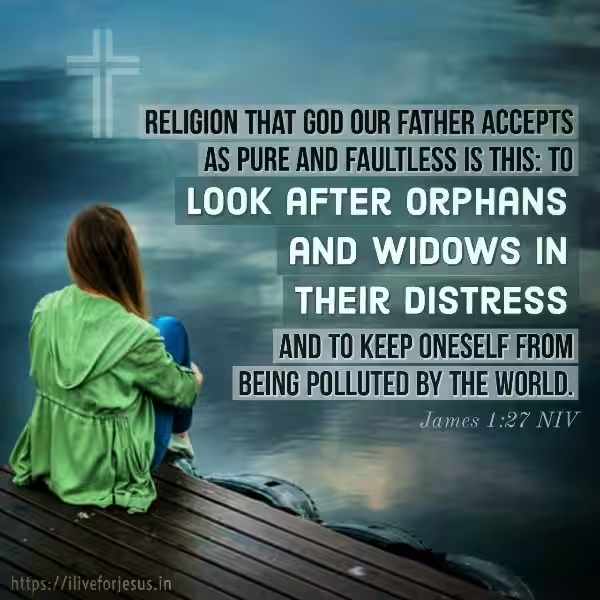
Examples of practical application include providing food, shelter, and education. Consider a community where families are struggling due to economic hardship. Proverbs 31:8-9 reminds us to speak up for those who cannot speak for themselves. Helping to provide school supplies, nutritious meals, or safe housing for these families embodies this biblical principle. James 1:27 reminds us to visit the sick and afflicted. This could translate to visiting widows and orphans in person or providing access to healthcare. These actions become concrete expressions of faith.
Practical Steps to Make a Difference
Creating opportunities for widows and orphans requires a multifaceted approach. It’s not just about financial donations, although those are crucial. Building community support networks is essential. This could involve organizing local food banks or clothing drives, or establishing mentorship programs where caring adults can guide children. Promoting awareness is equally important. Educating the congregation about the needs of widows and orphans fosters empathy and inspires action. This is where organized volunteer groups and congregational support play a key role.
One concrete step is to establish a system for identifying needs within the community. This could involve partnering with local charities or social workers. This helps to ensure that resources are targeted effectively. A local soup kitchen, for example, can help alleviate immediate needs when a widow or orphan family is experiencing a crisis. Offering practical assistance like home repairs or transportation can also be incredibly impactful. Think of providing transportation to medical appointments or helping with basic home maintenance.
Beyond the Basics: Long-Term Support
Long-term support is equally vital. Creating lasting change involves investing in education, skills training, and mentorship programs for children. This ensures they have the tools to build a brighter future. Psalm 10:14, underscores the importance of defending the weak – reflecting the importance of advocacy and protection of orphan and widow’s rights. Imagine supporting a scholarship program specifically for orphans or providing access to after-school programs. Providing emotional support is also essential. Widows and orphans often face significant emotional distress, and providing compassionate listening is critical.
Mentorship programs allow adults to guide children through difficult situations, offering a sense of stability and support. Developing sustainable programs that address underlying societal challenges like poverty or systemic injustice is crucial. Creating a supportive community that fosters a sense of belonging and empowerment is paramount. By consistently applying these steps, we can create genuine change and help widows and orphans thrive.
Frequently Asked Questions
What Bible verses discuss helping widows and orphans?
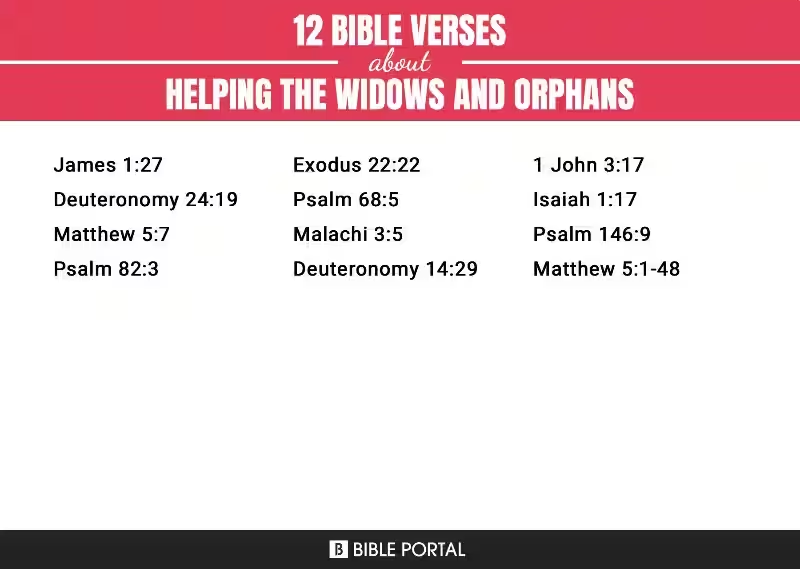
Many verses throughout the Bible address caring for the vulnerable, including widows and orphans. Examples include Deuteronomy 10:18; Psalm 68:5; and James 1:27. These, and many others, emphasize the importance of compassion and justice toward those in need.
What does religion say about helping widows and orphans?
Most major religions emphasize the importance of compassion and charity towards vulnerable populations. Helping widows and orphans is often viewed as a core tenet, reflecting the inherent dignity and worth of all individuals. Specific practices and interpretations may vary between different faiths, but the underlying principle of caring for those in need is consistently present.