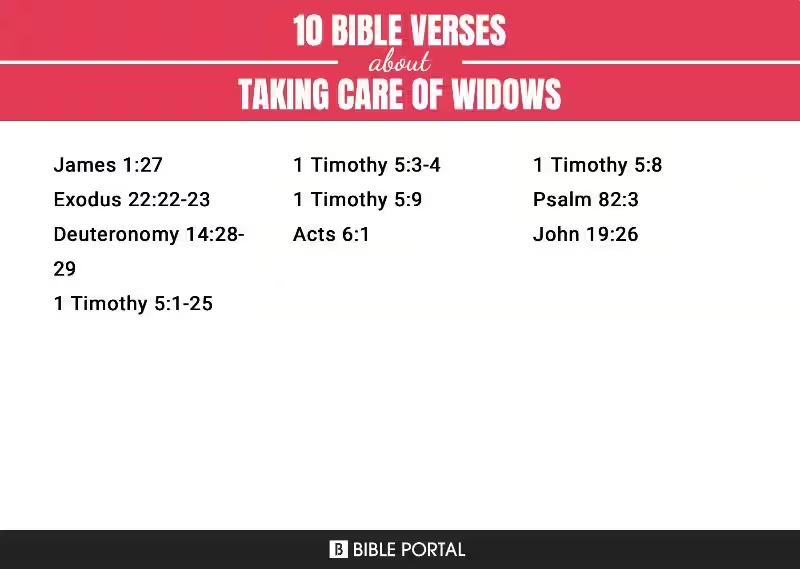
The concept of a widow in the Bible is more than just a social designation; it’s a complex tapestry woven with threads of religious duty, societal expectations, and personal hardship. Widows were often vulnerable, facing economic hardship and social isolation. The Bible acknowledges these realities, providing guidance and support for their well-being within the framework of the faith. Biblical texts offer insights into how a community cared for these individuals, a demonstration of the practical application of religious principles.
The biblical portrayals of widows aren’t solely focused on lament; they also showcase resilience and faith. Stories, like that of Ruth, highlight the strength and determination of widows who navigate challenging circumstances with unwavering devotion. This narrative demonstrates that even in the face of loss and hardship, faith could provide strength, hope, and a sense of belonging within the community.
The Social and Economic Context of Widows in the Bible
Understanding the social and economic landscape of biblical times is crucial for comprehending the experiences of widows. In these societies, women often had limited economic opportunities. Their primary source of income frequently depended on their husbands, and the loss of this support could lead to poverty and destitution. This societal structure created a unique set of challenges for widows, prompting religious leaders and communities to develop frameworks for support. For instance, widows often relied on family members, community, or charitable contributions for their sustenance.
These economic realities directly impacted the legal and religious responsibilities towards widows. The Bible, in its various books, offers guidance on how to treat and support widows. Take, for example, the laws concerning inheritance. These rules often aimed to safeguard widows and their children from being deprived of their rightful inheritance. This demonstrates an understanding of the vulnerable position widows occupied within the community.
Religious Duties and Responsibilities Towards Widows
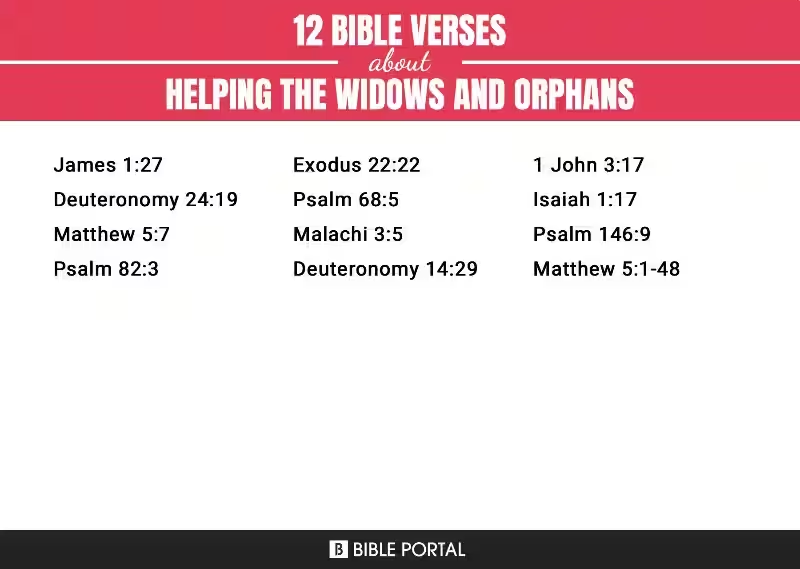
The Bible emphasizes the importance of caring for widows as a religious duty. Deuteronomy 10:18, among other passages, highlights the need for justice and fairness, particularly towards the vulnerable. A key principle is the idea that widows, orphans, and the poor were considered to be under God’s special protection. This emphasizes the moral responsibility of the community to support those who were most susceptible to hardship. Religious leaders and communities actively aimed to mitigate potential suffering for these vulnerable populations.
Examples of this can be seen in instructions for helping those in need. The Bible emphasizes compassionate care and generosity. Compassion, generosity, and hospitality towards widows were viewed as essential aspects of a righteous way of life. For instance, the stories of individuals like Naomi and Ruth demonstrate how caring for widows could be a testament to one’s faith, and how communities and individuals could show compassion in practical ways.
Lessons for Modern Society from Biblical Widows
The biblical accounts of widows offer valuable lessons for modern societies. Issues of poverty, social injustice, and care for the vulnerable remain relevant concerns. Looking at the biblical framework, we can see the importance of recognizing and addressing the needs of vulnerable individuals within communities. For example, understanding how biblical widows were cared for can inform modern social support systems. The concept of community responsibility and support remains a crucial aspect of compassionate societies.
Compassionate care and generosity are ongoing ideals, even in our contemporary context. The stories of biblical widows demonstrate the importance of empathy, compassion, and charitable actions in handling societal hardship. The Bible’s directives provide a moral compass for how we can address inequalities and vulnerabilities in our own times. Supporting those in need is not just a religious concept; it’s a fundamental aspect of a just and caring society. Consider charities and support groups focused on widows – these are direct examples of modern applications of biblical care for the vulnerable.
Frequently Asked Questions about Bible Widows and Religion
What does the Bible say about widows?
The Bible contains various passages addressing widows, highlighting their vulnerability and emphasizing the importance of caring for them. These passages often emphasize their need for support and protection from exploitation, and encourage acts of charity and kindness towards them. Different interpretations exist regarding the specific commands and implications.
What are the religious perspectives on widows?
Religious perspectives on widows vary. Some emphasize the religious duty to support widows financially and socially, while others focus on the spiritual growth and responsibilities of the widow. Perspectives also differ across denominations and traditions within a religion.
How are widows treated in various religions?
Different religions treat widows differently. Some provide specific social and financial support systems, while others may rely on family or community networks. Some religions may have specific rituals or practices associated with widowhood.
Do religious texts offer guidance on widows’ daily lives?
Religious texts offer varied guidance. Some provide specific advice on financial matters, social interactions, and spiritual practices, while others emphasize general principles like compassion, kindness, and justice towards all.
The role of a widow varies depending on the specific religion and context. In some, widows may be encouraged to engage in charitable work or prayer. Others may place more emphasis on mourning and remembrance. These roles can be quite diverse.
How can I support widows in my community?
Supporting widows in your community involves recognizing their needs, whether financial, emotional, or social. Volunteering time, offering practical assistance, or simply providing a listening ear are meaningful ways to support widows. Many religious organizations provide resources and support for widows.