Throughout history, the vulnerability of orphans and widows has drawn empathy and inspired action. In societies across the globe and throughout time, these individuals have often faced unique challenges, lacking the support systems of a family unit. The Bible, a cornerstone of faith for billions, consistently emphasizes the importance of compassion and care for these marginalized groups, offering profound guidance on how to respond to their needs. This article will delve into specific verses and explore how their wisdom continues to resonate with us today.
The Bible’s teachings on caring for orphans and widows aren’t just abstract concepts; they’re powerful calls to action. They encourage us to recognize the suffering of these individuals, and to step up and offer practical support. This extends beyond simple charity; it involves a deep understanding of their unique circumstances, ensuring their needs are not only met but also understood. By considering their circumstances, we can create more just and compassionate communities.
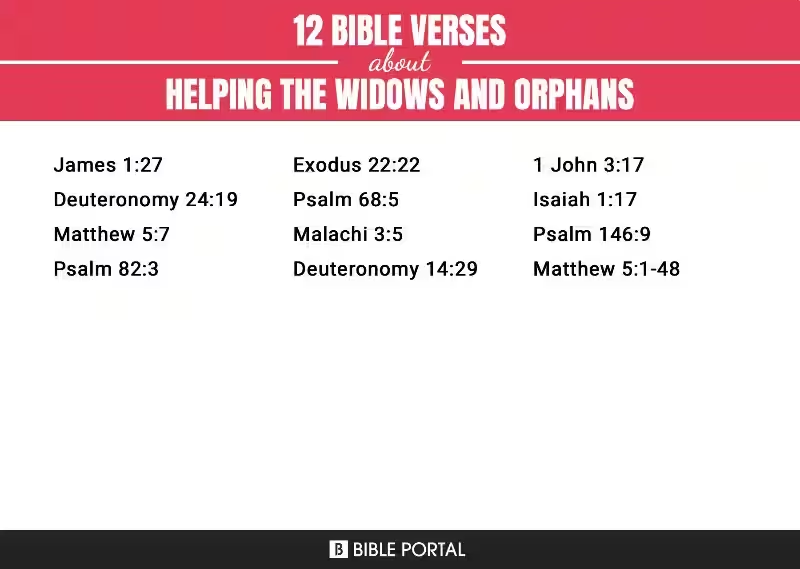
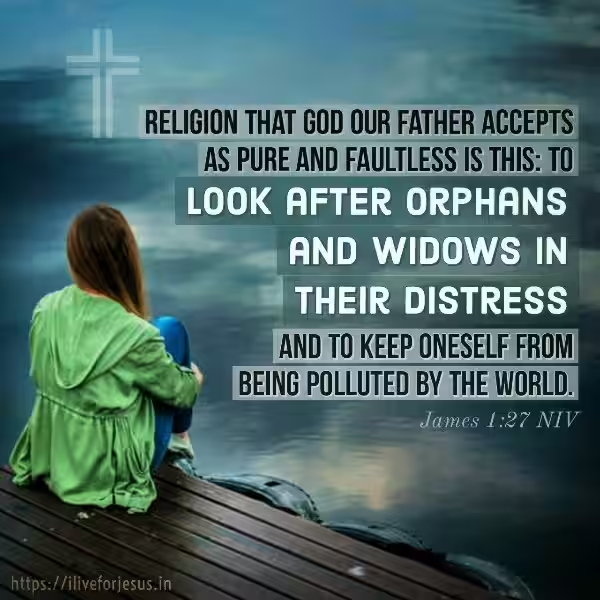
The Bible contains numerous verses that express a profound concern for orphans and widows. These passages aren’t just historical accounts, but timeless principles for living. For example, Proverbs 31:9, highlights the importance of speaking up for the oppressed. This applies directly to orphans and widows, who often lack a voice in society. Conversely, James 1:27 emphasizes the significance of caring for the vulnerable. This verse, and many others, form the backbone of the Bible’s message on social justice and the support of the most vulnerable.
Consider how Psalm 68:5 speaks of God being a father to the fatherless and a defender of the widows. These aren’t simply abstract concepts; they depict a fundamental reality of God’s character. These verses remind us that God himself prioritizes the protection and care of those who are most vulnerable. This places a responsibility on us as well to follow God’s example and care for the less fortunate. For instance, Exodus 22:22 instructs us to treat the fatherless and widows with kindness and compassion. Understanding these passages gives us valuable insights into the core values of biblical faith.
Practical Application in Modern Society
Today, the principles outlined in the Bible’s verses regarding orphans and widows remain incredibly relevant. While the specific circumstances may have changed, the core message – of compassion, justice, and active engagement in supporting the vulnerable – remains crucial. Matthew 25:31-46 powerfully illustrates the importance of caring for the needy as we act as representatives of God. We see this directly in how we treat those without family support.
Consider how these principles can be applied in modern society. Think about supporting local shelters and outreach programs that aid orphans and widows. Consider how you can actively become a voice for the voiceless. Perhaps volunteering at a soup kitchen or providing temporary housing can help meet immediate needs. The practical applications are numerous, and each individual can find a way to apply these principles in their unique context. By listening to their stories and offering practical help, we can effectively address their needs and demonstrate our solidarity with them. There are numerous ways to support orphans and widows in your community and beyond.
The Bible consistently emphasizes the power of a strong, supportive community. This communal aspect is integral to caring for orphans and widows. Community support systems can provide essential resources, emotional stability, and a sense of belonging. Hebrews 10:24-25 reminds us of the importance of encouraging one another. This is especially vital for orphans and widows who may be isolated or struggling to cope with their circumstances.
Think about how a community can come together to offer practical assistance to these marginalized groups. This could manifest through financial donations, providing shelter, or offering emotional support. By working together, communities can create a safe and supportive environment that helps orphans and widows thrive. There are countless community support programs that exist and grow through the work of churches and other organizations that are devoted to helping those in need.
The Bible’s verses on orphans and widows are not just historical documents; they are a call to action in our modern world. These foundational teachings provide a clear path towards building a more compassionate and just society. By understanding and applying these principles, we can create a world where everyone feels valued and supported, particularly those who are most vulnerable. The Bible clearly shows us that supporting orphans and widows is not just a good deed, but a vital part of our faith.
Ultimately, the overarching message is about empathy, action, and community. It encourages us to recognize the inherent value in every person, especially those who are most marginalized, and to actively participate in creating a society where everyone feels safe, supported, and loved. By prioritizing the needs of orphans and widows, we are fulfilling a divine mandate and creating a more compassionate world for all.
The Bible contains numerous passages that address the care and protection of orphans and widows. These passages emphasize the importance of providing for the vulnerable and ensuring their well-being. Examples include Deuteronomy 10:18, Psalm 68:5, and James 1:27.
What is the role of religion in society?
Different religions have varying views on the role of religion in society. Some emphasize the importance of faith in personal life and morality, while others advocate for social justice and action. Religious institutions often play a role in community support, charitable work, and providing a moral framework for individuals and society.