The concept of times and seasons permeates numerous religious texts, including the Bible. It’s not just about the changing of the calendar; it’s a profound reflection on God’s sovereignty and meticulous planning. This understanding can enrich our relationship with the divine, helping us to navigate life’s challenges and appreciate the uniqueness of each moment. The idea suggests that each period in life, personal or global, has a specific purpose ordained by a higher power.
Consider the agricultural cycles mentioned in the Bible. Farmers relied on the rhythms of nature, and these rhythms are inextricably linked to the divine order. The concept highlights the interconnectedness of creation and the human experience. Similarly, our lives are filled with various seasons—periods of growth, hardship, joy, and sorrow. Recognizing these seasons allows us to approach each one with a spirit of anticipation and resilience, rather than simply reacting to events.
The Bible frequently emphasizes God’s timing. This isn’t about predicting the future, but rather acknowledging that God’s plans are perfect, even when they seem obscure or inconvenient to us. “For I know the plans I have for you,” declares the Lord, “plans to prosper you and not to harm you, plans to give you hope and a future” (Jeremiah 29:11). This verse reminds us that even in the darkest times, God has a plan for our well-being. This perspective can provide comfort and hope during challenging periods.
God’s timing often unfolds over extended periods. Consider the Israelites’ journey to the Promised Land—it wasn’t a quick, easy trip. Their journey took years, filled with trials and tribulations, yet it led them to a land of fulfillment. This underscores the idea that God’s timing is often more profound and lasting than our own finite perceptions. Recognizing this truth gives us the patience and resilience to navigate the trials and uncertainties in our own lives.
Seasons of Life and Spiritual Growth
Like the changing seasons in nature, our lives are marked by distinct periods of growth, challenge, and reflection. Psalm 104 highlights the importance of God’s role in controlling these rhythms, praising the Lord for “his works are great, and exceedingly wise; and his wisdom is infinite.” These seasons can be interpreted as opportunities for profound spiritual development. Periods of struggle, for example, can foster resilience and deepen our dependence on God.
A simple example is the transition from youth to adulthood. It’s a time of change and learning, marked by both excitement and uncertainty. But within these seasons, we can foster resilience and strength of character. Similarly, facing adversity in our lives may be viewed as a season of spiritual growth. Think of periods of loss or disappointment. These experiences can lead to a greater appreciation for what we have and a deepened connection to the divine.
Recognizing Our Role in God’s Plan
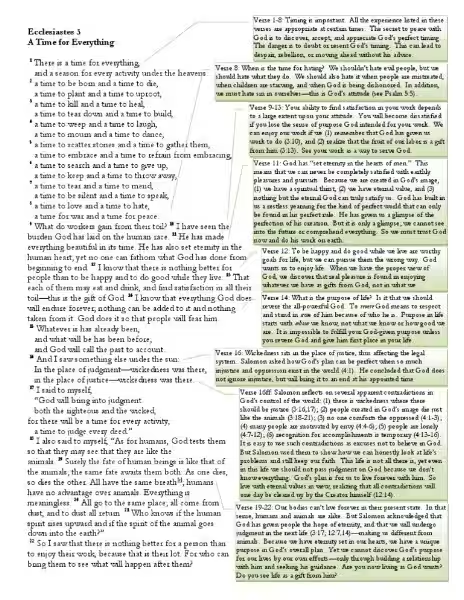
While God orchestrates the times and seasons, we have a role to play in responding to His call. Ecclesiastes 3:1-8 highlights the cyclical nature of life, with seasons of activity and rest, joy and sorrow. This verse encourages an active engagement with each season. We are called to sow seeds of kindness, compassion, and faith, knowing that God will bring forth the harvest in His own perfect time. Our actions within these seasons matter.
This means actively seeking opportunities to grow closer to God in every season of life. For example, during times of prosperity, we can give thanks and share our blessings with others. During difficult times, we can draw closer to God through prayer, scripture, and fellowship with fellow believers. This active participation allows us to find purpose and meaning in every season. It’s not about controlling the season, but about living within its context in a purposeful way. Our part is to be present; to be engaged; to be receptive.
Ultimately, understanding times and seasons in scripture is about embracing the divine plan for our lives. It’s a call to trust in God’s sovereignty, even when our own plans seem to falter. It’s about accepting the inherent variability of life and recognizing that every season, whether joyous or challenging, is a part of the larger tapestry of our spiritual journey. This understanding empowers us to navigate life’s inevitable changes with faith, resilience, and purpose.
By paying attention to the rhythms of life and the guidance of scripture, we can learn to trust in God’s timing and find strength in each season. Ultimately, this leads to a more fulfilling relationship with the divine and a more meaningful life overall. We can look forward to the next season with anticipation and hope.
Frequently Asked Questions
What does the Bible say about times and seasons?
Various scriptures throughout the Bible touch on the concept of times and seasons, often emphasizing God’s sovereignty and control over all things, including the natural world. Examples include passages highlighting God’s role in creation, the agricultural cycle, and the appointed feasts. The overall message often relates to God’s faithfulness and provision.
The concept of times and seasons in scripture can be interpreted in various ways depending on the specific religious tradition. Some interpret it literally, while others focus on the symbolic meaning. It may relate to a particular religious calendar, ritual observations, or a general understanding of God’s plan and purpose.
Are there specific examples of scriptures related to times and seasons in my religion?
Please specify your religion for a more targeted response.
How can I understand the concept of times and seasons in a deeper way?
Delving into the historical and cultural context of the scriptures can provide deeper meaning. Consulting commentaries, theological resources, and engaging in discussions with religious leaders or scholars can also aid in understanding.