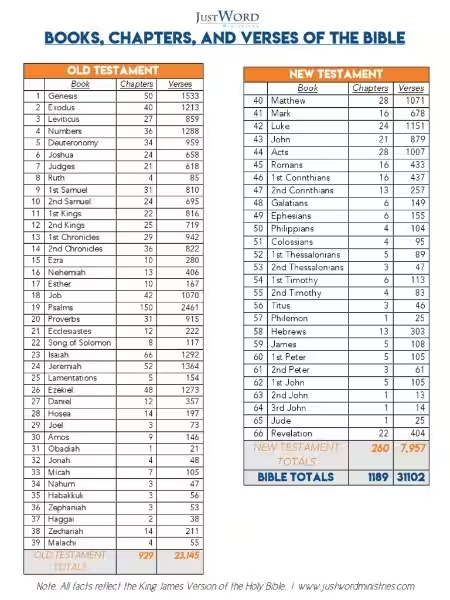
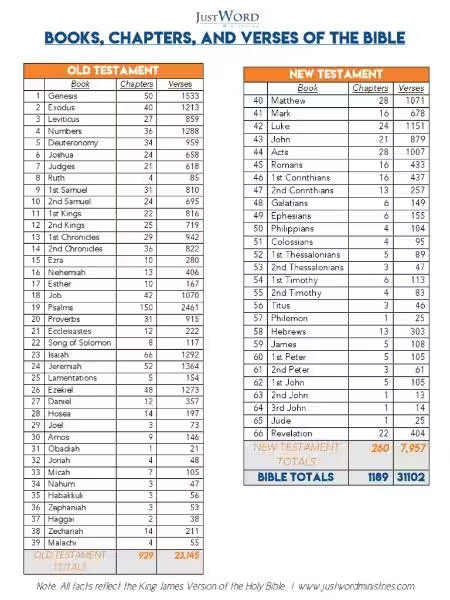
The Bible, a collection of sacred texts revered by billions, is often overwhelming in its sheer size and scope. Navigating its intricate chapters and stories can feel daunting. A crucial element in understanding this vast collection is recognizing the fundamental unit of text: the verse. Verses are the individual statements or passages that make up the chapters of the Bible. Understanding what a verse is and how to use them effectively can significantly deepen one’s engagement with this ancient and influential text.
Imagine a massive, complex building. Each room, each wall, and each brick represents a part of the Bible. Verses are like the individual bricks that make up these sections. Each brick, in its own way, contributes to the overall structure and meaning of the building. Similarly, each verse, even seemingly small on its own, contributes to a larger theological understanding and narrative within the Bible. Without correctly identifying and understanding individual verses, the true richness and complexity of the scriptures are lost.
Identifying specific verses is straightforward. Verses are numbered sequentially within each chapter. This allows for precise referencing. For example, John 3:16 refers to the sixteenth verse in the third chapter of the Gospel of John. This system is consistent throughout the entire Bible, regardless of the book or the genre of writing.
This numerical system, while seemingly simple, is powerfully useful. It allows for precise referencing and discussion amongst believers from different backgrounds and walks of life. If someone wants to discuss a specific spiritual idea or story, they can easily share the relevant verse(s) with others. This clarity and precision make the Bible a powerful tool for theological study and personal reflection. Imagine trying to discuss a piece of art without pointing to specific components. The same principle applies to understanding the Bible.
The Importance of Context in Understanding Verses
Simply quoting a verse out of context can easily lead to misinterpretations. Each verse exists within the broader context of a chapter, a book, and the Bible as a whole. Understanding the surrounding verses, the overall theme of the chapter, and the historical and cultural background is essential for a proper understanding. For instance, a verse about forgiveness may appear harsh when taken out of its contextual setting.
Think of a single word within a sentence. Its meaning is often greatly influenced by the words surrounding it. This concept applies to Bible verses as well. Understanding the context of a verse requires careful study of the surrounding text and consideration of the literary genre being addressed. This holistic approach prevents misinterpretations and ensures a fuller understanding of the intended message behind the individual verse, and ultimately, the divine message. A few key factors to consider include: the author’s purpose, the intended audience, and the historical setting.
Exploring Different Types of Verses and Their Meaning
The Bible contains a variety of verses, each with its own unique purpose and meaning. Some verses are literal, providing factual accounts of events. Other verses are metaphorical, using symbolic language to convey deeper spiritual truths. Some verses are poetic, using vivid imagery to express emotions and experiences. Other verses are narrative, telling stories designed to illustrate principles. Understanding the different types of verses helps us to correctly interpret them and avoid misinterpretations.
For example, proverbs in the Bible offer wise sayings for navigating life’s challenges. These verses are often concise and often can be interpreted in various ways depending on the reader’s own experiences and insights. Recognizing these different verse types within the biblical narrative allows for a deeper comprehension of the entire text and its diverse themes. Understanding the genre helps unpack the intended message.
Conclusion: The Power of the Verse
The verse, the fundamental unit of the Bible, is a crucial building block in understanding its profound messages. Its significance lies in its ability to provide specific guidance, and its powerful ability to connect readers with the divine message. Recognizing the structure, understanding the context, and exploring the different types of verses are essential steps in unlocking the richness and depth of the Bible’s teachings. It is a source of wisdom, inspiration, and guidance for countless individuals.
By carefully studying and understanding the verses within their proper context, we can glean insights and wisdom that can shape our lives and our understanding of the world. This deep engagement with the text is key to personal transformation and a more profound connection with faith and spirituality. The verse, in all its form and variety, is a powerful tool for spiritual growth and understanding.
Frequently Asked Questions
What is a verse in the Bible?
A verse in the Bible is a single, self-contained unit of text, typically a sentence or a few sentences, within a chapter. Verses are numbered for easy reference.
What is religion?
Religion is a belief system and a set of practices often centered around the worship of a deity or deities, or a set of moral principles. Religion can also encompass cultural traditions, rituals, and ethical codes.