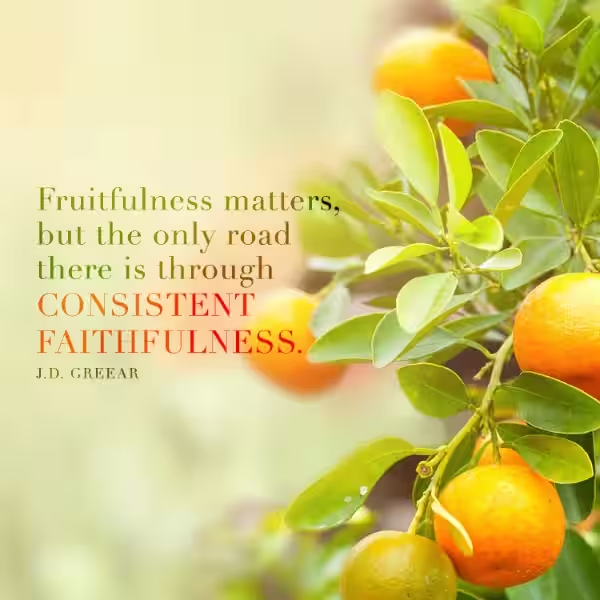
We often hear the phrase “producing fruit” in religious contexts, but what does it truly mean? This isn’t just about physical harvest; it’s a powerful metaphor for spiritual growth and bearing witness to God’s love. Understanding this concept, rooted deeply in the Bible, offers a path to a richer, more fulfilling life. Producing fruit isn’t a destination, but a journey of continuous learning and action. It’s a call to live out our faith in tangible ways, impacting the world around us.
The idea of producing fruit resonates across various biblical passages. From the parable of the vineyard and the fruitless fig tree to Jesus’ teachings on bearing good fruit, the message is consistently clear: spiritual growth requires action and love. This isn’t passive acceptance, but an active pursuit of righteousness, compassion, and service. Imagine a tree planted in fertile ground; it needs proper care to flourish and bear fruit. Similarly, our spiritual lives need nurturing to produce the desired results.
Understanding the Different Types of Spiritual Fruit
The Bible speaks of various types of producing fruit, each representing a different aspect of a fulfilling life. Love, joy, peace, patience, kindness, goodness, faithfulness, gentleness, and self-control are some key examples. These are not isolated qualities; they often intertwine and reinforce one another. For instance, showing kindness to a struggling friend often generates joy and peace within both of you.
Think about the impact of patience in a difficult situation. It can lead to peace and gentleness, preventing rash reactions. Cultivating these virtues is a continuous process, requiring self-awareness, intentional effort, and prayer. Producing fruit is about actively practicing and embodying these qualities, not just talking about them. It’s about reflecting God’s character in our daily lives.
Practical Steps to Producing Fruit in Your Life
How can you translate these biblical principles into tangible actions in your daily life? A great starting point is self-reflection. Ask yourself: What areas of your life need more spiritual growth? What steps can you take to cultivate these virtues? Journaling or meditating on scripture can be beneficial tools. Identify specific actions you can take to embody these qualities. For example, if love is an area you want to strengthen, you might volunteer to help at a local shelter or spend more time actively listening and engaging with loved ones.
Another key strategy is building a supportive community. Fellowship with other believers often provides encouragement and accountability. Sharing your struggles and triumphs with others can foster a sense of belonging and help you stay motivated. Consider joining Bible study groups, attending church services, or even having regular conversations with trusted friends. Remember, you are not alone on this journey. Producing fruit is a collective endeavor, supported by a supportive community.
Obstacles and How to Overcome Them
The path to producing fruit isn’t always smooth. Obstacles like doubt, fear, and discouragement are common experiences. When faced with these challenges, turn to the Bible for guidance and strength. Prayer and scripture study will help you draw closer to God’s love and grace. Seek support from trusted mentors or spiritual advisors. Don’t be afraid to ask for help. These difficulties are part of the process. Persistence and faith are key to overcoming these obstacles.
Self-compassion is crucial. Recognize that progress is not linear; there will be setbacks. Acknowledge that you’re striving to become a better person, and focus on positive change. Every step forward, even the small ones, contributes to the journey of producing fruit. Remember, the goal is not perfection, but a continued effort to grow in your faith. God’s grace is sufficient to guide you through the challenges and celebrate your successes.
Conclusion: A Lifelong Journey of Producing Fruit
The concept of producing fruit in the Bible is a powerful message of growth and transformation. It’s a reminder that our faith is not merely a set of beliefs; it’s a way of life that impacts the world around us. By actively pursuing spiritual growth, cultivating virtues, and embracing challenges with faith, you can live a life that bears good fruit, reflecting God’s love and compassion. Remember: producing fruit is a lifelong journey, one that is rich with rewards, both personally and for those around you.
Ultimately, producing fruit is about living a life that honors God and brings joy and blessing to others. This is a journey of constant learning and growth. It is not about perfection, but about consistently striving to live out your faith in meaningful ways. Embrace the journey, and let your light shine brightly! It all starts with a decision to live a life filled with purpose and faith.
Frequently Asked Questions
What is the Fruit Bible?
The Fruit Bible is a religious text, not a literal interpretation of a fruit tree, or an agricultural guide. It’s a book of stories, parables, and teachings, often focused on spiritual growth and the relationship between people and their faith.
The Fruit Bible is associated with various religious traditions, interpretations, and movements that use the teachings and stories to inspire their practices.
What are the main themes of the Fruit Bible?
Themes of the Fruit Bible often include spiritual growth, the nature of good and evil, the importance of community, and the relationship between humans and a divine being.
How is the Fruit Bible different from other religious texts?
The Fruit Bible’s exact nature and differences from other religious texts depend on which specific book is being referred to. It might emphasize different aspects of spiritual or ethical living.
Where can I find more information about the Fruit Bible?
To find specific information about a particular Fruit Bible, you may need to look up the title or search online for resources that discuss it.