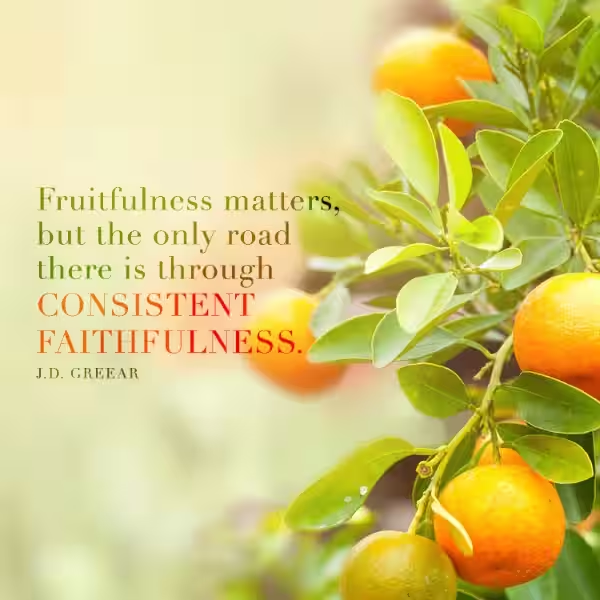
We all crave growth, a sense of purpose, and the ability to make a positive impact. In numerous religions, the concept of “producing fruit” symbolizes this very essence. It’s not about outward displays of success, but an inward transformation, a deep-rooted change in character and actions that ultimately benefit others. This journey is not always easy, but the rewards are immeasurable.
The idea of “producing fruit” often resonates with the concept of spiritual maturity. Imagine a tree. It doesn’t simply stand there; it grows, blossoms, and bears fruit. Similarly, we are called to grow in our faith, to deepen our connection with the divine, and to express that connection through loving actions. This is often mirrored in scripture with passages about bearing fruit as a sign of true faith. Fruit, in these contexts, represents the tangible evidence of a vibrant inner life. This fruit may manifest as kindness, compassion, patience, or forgiveness.
Understanding the Significance of “Producing Fruit” Across Religions
Different religions approach the concept of “producing fruit” in unique ways, yet the underlying message remains consistent. Consider the Christian perspective. John 15:16 says “You did not choose me, but I chose you and appointed you that you should go and bear fruit and that your fruit should abide, that whatever you ask the Father in my name, he may give it to you.” This emphasizes that bearing fruit is a direct result of a relationship with God. This is a call to action, a pathway to deepening our connection with a higher power.
In Buddhism, the emphasis is on cultivating virtues and eliminating negative mental states. Practices such as meditation and mindfulness are seen as vital tools in this process. The fruits of this practice are often described as inner peace, compassion, and wisdom. The concept of producing fruit is interwoven with the concept of karma and the cycle of rebirth. Bearing positive fruit leads to positive karma, contributing to a more harmonious existence in future lives.
Practical Examples of “Producing Fruit” in Daily Life
How can we practically embody the concept of producing fruit? It’s not about grand gestures, but about consistent actions. For instance, demonstrating love and kindness to family and friends is a form of producing fruit. Volunteering time to help others, showing compassion to those less fortunate, or even practicing patience and forgiveness in challenging situations are all examples. These small acts, repeated consistently, build a life laden with “fruit” that benefits those around us.
Think about a mentor who guides a young person through difficult times. Their actions are a form of producing fruit, providing support and inspiring growth. Acts of service, selfless giving, and genuine care for others are all expressions of “producing fruit.” We can also see it in small daily interactions, such as listening attentively to a friend or offering a helping hand. These acts, though seemingly small, bear the fruit of positive relationships and community building.
Obstacles and Overcoming Challenges in Bearing Spiritual Fruit
The journey of “producing fruit” is not without obstacles. Self-doubt, fear, and procrastination can all hinder our progress. Perfectionism and the fear of failure can also be detrimental. Recognize these obstacles as common experiences, and don’t be discouraged. The key lies in recognizing these hurdles, acknowledging them, and continuing the journey with compassion for yourself.
It’s important to remember that bearing fruit is a process, not a destination. There will be setbacks, moments where you feel uninspired, or times when you feel like you’re not making progress. Embrace the imperfections, learn from your mistakes, and keep moving forward. The journey itself is part of the process. Consistent effort, combined with a steadfast commitment to your faith or values, will eventually lead to positive change. Just like any plant, we need patience, nurture, and consistent care (spiritual nourishment) to bear fruit.
Frequently Asked Questions
What does the Bible say about produce?
The Bible doesn’t have a specific section dedicated to produce. However, various passages discuss the importance of food, agriculture, and God’s provision. There are also passages about a blessing for fruitfulness. The specific interpretation depends on the individual’s religious beliefs.
What is the religious significance of fruit?
Fruit, depending on the religion, can symbolize abundance, prosperity, blessings, or spiritual growth. Different religious texts and traditions offer varying interpretations.