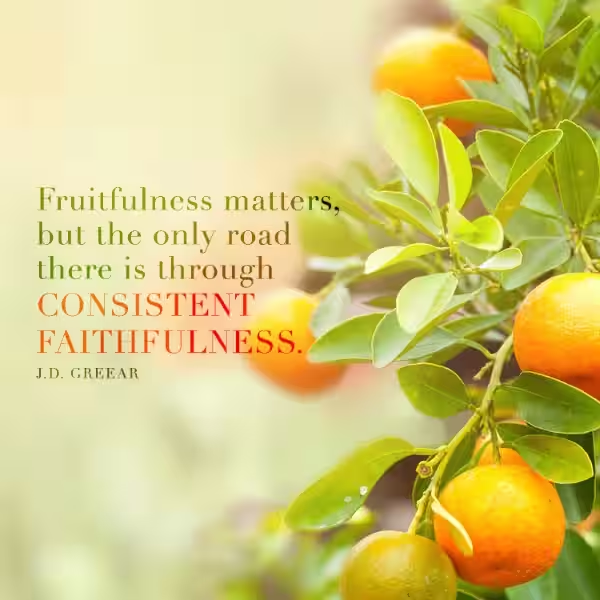
We often hear about fruitfulness in religious contexts, but what does it truly mean? It’s not just about physical offspring, although that can certainly be a part of it. It’s about spiritual growth, abundance, and impact. Imagine a garden; you wouldn’t be satisfied with just a few weeds, would you? You want vibrant flowers and bountiful harvests. Similarly, a life of fruitfulness is a life of spiritual flourishing. This article explores the concept of fruitfulness in various religious traditions, looking at the different facets of this important concept, and connecting it to practical applications for today’s world.
Many religious texts emphasize the importance of fruitfulness as a sign of God’s blessings and a way of contributing to the world. This isn’t just about producing tangible results; it’s about producing positive change in our lives and the lives of others. Think about the many ways you can be fruitful. Helping those in need, nurturing relationships, creating art, or even simply listening patiently to someone in distress. These are all forms of spiritual fruitfulness, which are often a direct result of a deeper connection with a higher power.
Different religious traditions offer unique perspectives on fruitfulness. In Christianity, for example, Jesus speaks of bearing fruit in relation to spiritual growth (John 15:1-8). This means living a life consistent with his teachings, demonstrating love, compassion, and service to others. This isn’t about perfection, but about a conscious effort to grow in our faith, and ultimately, to become more like Christ. Consider the parable of the talents; each individual is given different “talents” to use to increase God’s kingdom. This means being productive and effective in your service.
In Judaism, fruitfulness is often associated with procreation and the ability to continue the lineage. This is also related to the concept of abundance in all areas of life. The land itself is seen as fruitful, and this is related to the blessings and bounty that come from a deep connection with God, reflecting on His creation. Just as a farmer works the soil to produce a harvest, so too must we work to cultivate the spiritual soil within ourselves. Consider the concept of Shabbat, which is a weekly time for rest, reflection, and renewal, helping to grow and be fruitful in other areas of life.
The Importance of Purpose in Fruitfulness
The concept of fruitfulness is intrinsically linked to a sense of purpose. If we don’t understand our unique role in the world, it’s difficult to be truly fruitful. Think about a tree that doesn’t know its purpose. It probably won’t produce the best fruit. Identifying our divine calling (or personal purpose) is a journey, but understanding the contribution we are meant to make to the world is essential for a fruitful life. The Scriptures emphasize understanding God’s will for our lives, allowing us to act in alignment with His purpose. This can include:
Developing talents and skills
Serving others in our community
Helping those in need
Living a life of integrity and love
A life of purpose is a fruitful life. We see the concept of purpose throughout the Scriptures, and it’s not always easy; sometimes it involves overcoming challenges and setbacks. This is one way we can show our fruitfulness.
Fruitfulness isn’t just a spiritual concept; it’s something we can cultivate in our daily lives. Think about how you can be more fruitful. We can be fruitful through acts of kindness, through supporting our communities, and through our relationships. These actions aren’t just about outward displays, but about a deep inner transformation. How can you be more intentional about being fruitful? This might mean actively seeking opportunities to help others or spending time in prayer and reflection to understand your own purpose. By cultivating habits of compassion, service, and growth, you can experience spiritual fruitfulness in tangible ways, demonstrating God’s love in your world.
Many religious teachings emphasize the importance of self-reflection and contemplation as integral parts of the journey to fruitfulness. Think of meditation or quiet time as a way to cultivate spiritual mindfulness. This can lead to a greater understanding of your own values and motivations, allowing you to live a more intentional and purposeful life. By being present in your actions and mindful of your surroundings, you can discover new ways to be fruitful. This is a continuous process of growth and development, with each step bringing us closer to a more meaningful and fulfilling life. This is the ultimate fruitfulness.
Frequently Asked Questions about Scriptures on Fruitfulness
What are some key scriptures about fruitfulness in Christianity?
Many scriptures emphasize bearing fruit, which often symbolizes spiritual growth, good works, and a life pleasing to God. Examples include John 15:1-8, Galatians 5:22-23, and Matthew 7:16-20.
What does “fruitfulness” mean in different religious traditions?
Fruitfulness is interpreted differently across religions. In some, it can refer to procreation and the continuation of the lineage. In others, it can symbolize spiritual growth, positive actions, or the flourishing of a community. For example, in Judaism, the concept of “fruitfulness” is tied to both physical and spiritual abundance and prosperity.
Are there scriptures that speak about the importance of spiritual fruitfulness over physical fruitfulness?
Some scriptures emphasize the importance of spiritual fruitfulness as being more significant than physical fruitfulness. For example, the concept of “bearing good fruit” in the Bible is commonly interpreted as a sign of spiritual growth and righteousness.
How can I apply the concept of fruitfulness to my life, regardless of my religious beliefs?
The concept of fruitfulness transcends specific religious doctrines. It can be applied to personal growth, contributing to society, and developing positive relationships. Consider focusing on actions that benefit yourself and others.
How does the concept of fruitfulness relate to the concept of blessings?
In many religious traditions, fruitfulness is viewed as a blessing. It’s often associated with God’s favor and can manifest as material prosperity, spiritual growth, or the ability to positively influence others.