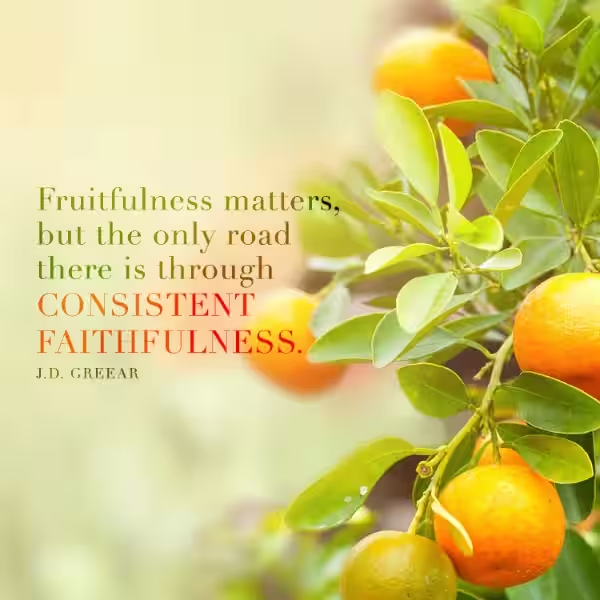
We often hear the phrase “bearing fruit” in religious contexts, but what does it truly mean? It’s not just about physical produce; it’s about the spiritual growth and positive impact we have on the world. This journey is deeply personal, and understanding the scriptures surrounding fruit-bearing can provide valuable guidance and motivation.
Consider the parable of the vine and the branches in John 15. Jesus likens himself to the vine, and his followers to the branches. True fruitfulness comes from remaining connected to the source, allowing the life of Christ to flow through us. This isn’t about striving; it’s about trusting in the divine. It’s about surrendering control and letting the divine nurture and shape us. Imagine a sapling, needing the sun and water to grow. Similarly, we need the nourishment of faith to flourish.
The concept of “fruit” in scripture encompasses various meanings. Spiritual fruit could represent acts of love, joy, peace, patience, kindness, goodness, faithfulness, gentleness, and self-control (Galatians 5:22-23). These are internal qualities that manifest in our actions and interactions with others. Imagine these qualities becoming a part of your character, like a well-cultivated garden. These qualities will naturally bloom from a healthy connection.
Beyond the internal attributes, fruit can also represent tangible actions. Acts of compassion, service, charity, and evangelism are all forms of fruit. Consider donating to a local shelter or volunteering your time to help others. These tangible actions demonstrate the internal growth and the love that stems from a connection with the divine. A fruit-bearing life isn’t just about what we feel, but also what we do.
Like any garden, tending to our spiritual garden takes consistent effort and attention. We need to cultivate our faith through prayer, study, and reflection. This resembles the gardener nurturing their plants meticulously, ensuring they have the right nutrients and sunlight. Consistent spiritual practices are like giving our roots the nourishment to grow stronger. How can we ensure we’re cultivating our souls to bear fruit?
Several important steps include: regular worship, seeking guidance from mentors, attending services, engaging in meaningful conversations with others about faith. These practices are like consistent watering and weeding, ensuring we’re removing any obstacles that might hinder growth. For example, setting aside time each day for prayer, and studying scripture can be beneficial, as can connecting with a supportive community. These actions create a conducive environment for spiritual fruit to flourish.
Overcoming Obstacles
Bearing fruit isn’t always easy. We encounter temptations, distractions, and doubts. The scriptures highlight the importance of perseverance and remaining steadfast in faith. Imagine a farmer who must endure drought, frost or pests to cultivate their crop. The farmer needs perseverance and resilience to overcome obstacles. Likewise, we need to cultivate resilience and trust in the divine during challenging times. This resilience is essential for continued growth.
Obstacles may include:
Discouragement
Negative influences
Personal struggles
Lack of understanding
These are all part of the journey, but they don’t define us. Jesus faced opposition and persecution, yet continued to bear fruit. Learning from these experiences, seeking strength from the divine, and trusting in the process are vital. These are crucial elements for overcoming the obstacles we face.
Bearing fruit is a continuous journey, not a destination. It’s about growing in faith, love, and compassion. It’s about letting the light of Christ shine through us. It’s about recognizing that spiritual growth is a lifelong process, not a single event. As we nurture our spiritual gardens, we become more capable of bearing fruit in all aspects of our lives. This process of growth is like planting seeds of goodness. As these seeds sprout and grow, they will eventually bear fruit that will nourish others and strengthen our own souls.
Ultimately, bearing fruit isn’t about perfection, but about intentionality and commitment to a life of faith. It’s about recognizing the divine nurturing within us, and allowing it to shape us into instruments of goodness and positive change in the world. We are all capable of producing fruit, and by understanding the scriptures surrounding this concept, we can cultivate a richer, more meaningful spiritual life.
Frequently Asked Questions
What are the relevant scriptures about producing fruit?
Many religious texts contain references to producing fruit, often symbolizing good works, spiritual growth, or righteousness. Specific scriptures vary depending on the religion, but common themes include bearing righteous deeds, demonstrating faith, and living in accordance with divine principles.
How does the concept of “fruit” differ across religions?
While the general idea of producing fruit is similar across many faiths, the specific interpretation of “fruit” can vary. In some religions, it might represent good deeds, spiritual maturity, or the tangible evidence of a righteous life. In others, it could symbolize the tangible results of faith or the bountiful harvest of a relationship with the divine.
Why is producing fruit important in religious contexts?
Producing fruit is often viewed as a crucial aspect of a meaningful religious life. It signifies a commitment to spiritual growth, a willingness to put faith into action, and a desire to reflect the values and teachings of one’s faith in daily life. It also demonstrates a connection to a higher power and a pursuit of spiritual fulfillment.
What are some examples of “fruit” in different religions?
Examples of “fruit” can include acts of charity, kindness, patience, love, forgiveness, and service to others. Different religions might emphasize different aspects of fruit production, but the underlying principle of demonstrating faith through action remains consistent.
How can I learn more about producing fruit in my faith?
Consult your religious texts, leaders, and communities for guidance on interpreting the concept of producing fruit within your specific faith.