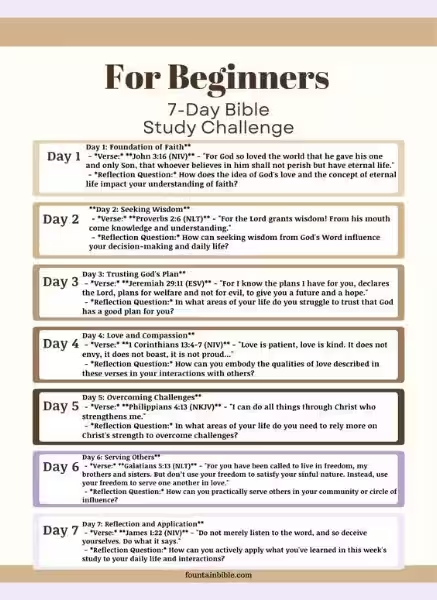
Welcome to the exciting world of Bible study! As a new Christian, you’re likely eager to deepen your faith and understand God’s Word. This journey can feel overwhelming, but it doesn’t have to be. This guide will equip you with the tools and insights you need to begin your exploration with confidence and joy. Starting small and building a routine is key, much like any new habit. Don’t try to do too much at once. Start with manageable chunks of time and gradually increase the commitment.
Finding a comfortable study setting is also crucial. This could be a quiet corner of your home, a local church library, or even a park bench. What matters most is a place where you can focus and feel at peace while engaging with the text. Remember, God’s presence is available everywhere, and the location is less important than your heart’s disposition.
The Bible isn’t just a collection of ancient stories; it’s a powerful narrative about God’s relationship with humanity. Understanding its various genres, like poetry, prophecy, and historical accounts, is vital. This will help you discern the message and meaning behind each passage. For instance, a psalm might express emotion or prayer, while a historical account might reveal God’s faithfulness in the lives of people throughout time. Learning these different genres can help you engage with the text in a more nuanced way. Consider making a simple chart to categorize the books you read.
Furthermore, the Bible often uses symbols and metaphors to communicate deeper truths. For example, the imagery of a shepherd caring for his sheep represents God’s protection and guidance. Learning to identify these symbols will unlock layers of meaning hidden within the text. Practice identifying and understanding these powerful symbols in your reading. For example, a simple analogy like the parable of the sower helps in understanding the different ways a person receives God’s message.
There’s no one-size-fits-all approach to Bible study. Experiment to discover what works best for you. Some popular methodologies include devotional reading, where you focus on personal reflection; character studies, which highlight biblical figures; and theme-based studies, which explore a specific concept, like love or forgiveness. You can also use commentaries and study Bibles to gain additional insights and understanding. Think about what you want to get out of your study. Are you looking for personal growth, or are you seeking to understand God’s plan for the world?
For instance, you might begin with a daily devotional, reading a short passage each morning and reflecting on its implications for your daily life. Or, you could embark on a journey of understanding a figure like David, exploring his triumphs and struggles to gain insight into facing your own human experiences. Experimenting with different techniques will help you find a style that resonates with your personality and goals.
Building a Sustainable Routine
Consistency is key in any spiritual journey. Establishing a regular Bible study routine, even if it’s just 15-30 minutes each day, will make a significant difference. Schedule it in your calendar, just like any other important appointment. Schedule this time for your spiritual growth much like you would schedule an important meeting.
Consider these helpful strategies: Read a specific passage every day and write down your reflections. Join a Bible study group with other believers for support and accountability. Set reminders on your phone or calendar to help you stay on track. Don’t be afraid to ask questions or seek guidance from fellow Christians. Don’t be discouraged if you miss a day or two. Just get back on track as soon as possible. Consistency is vital and will help you grow in your spiritual journey.
Connecting with other Christians can be a powerful source of support and encouragement as you embark on your Bible study journey. Consider joining a small group Bible study, attending a church service, or connecting with a mentor. Participating in a community will help you learn from others’ experiences. These communities can answer questions, share insights, and offer mutual encouragement. Think about local church groups or online forums dedicated to Christian study.
Mentorship can also be invaluable. Finding a more experienced Christian who can offer advice and guidance can provide incredible support. Seeking out these mentors can help you navigate the nuances of Scripture and develop a deeper understanding of your faith. Remember, you are not alone on this journey, and a supportive community will enrich your experience immensely.
Frequently Asked Questions about Bible Study for New Christians
What is a good starting point for Bible study as a new Christian?
Begin with the Gospels (Matthew, Mark, Luke, and John). These books tell the story of Jesus’ life, death, and resurrection, providing a foundation for understanding Christian faith. Consider using study Bibles with commentary or helpful study guides.
How often should I study the Bible?
There’s no set number of days or hours. Consistency is key. Even 15-30 minutes daily can be highly beneficial. Aim for regular, focused time with the text, rather than infrequent marathon sessions.
What if I don’t understand something?
Don’t be discouraged! Seek clarification from trusted mentors, pastors, or other Christian friends. Many online resources, commentaries, and study groups can also offer helpful insights.
What is the difference between the Old and New Testaments?
The Old Testament tells the story of God’s relationship with humanity before Jesus. It contains the Law, the Prophets, and the Writings. The New Testament focuses on Jesus’ life, ministry, teachings, and the early Christian church. The New Testament builds upon and fulfills many prophecies and themes found in the Old Testament.
Reflect on how the passages relate to your current situations and challenges. Consider how the stories and teachings can guide your decisions and actions. Prayerfully seek God’s direction in applying biblical principles to your daily life.
What are some resources for Bible study?
Study Bibles, commentaries, online resources, church groups, and Christian books are good starting points. Ask your pastor or other believers for recommendations.
What is the purpose of religion?
Different religions have different purposes, but a common thread is to connect individuals with a higher power, provide a moral framework for living, and offer a sense of community and purpose. For Christians, religion is about experiencing a relationship with God and living a life in accordance with His will.