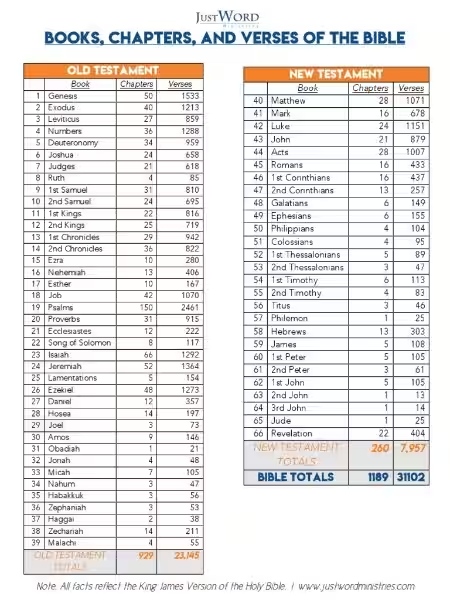
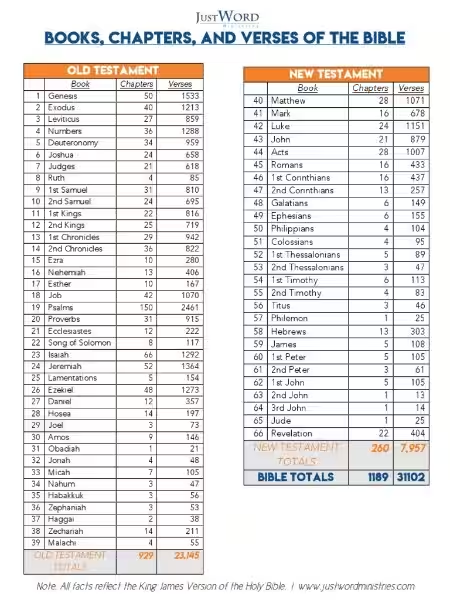
The Bible, a cornerstone of numerous faiths, is a vast and complex collection of texts. Its stories, laws, and teachings have shaped cultures and influenced countless lives for millennia. Understanding this vast tapestry of books and chapters is crucial for anyone seeking to engage with its message. The sheer volume can seem daunting, but approaching it methodically and with an open mind can reveal profound insights. The books of the Bible, often grouped into the Old and New Testaments, each tell unique stories, and the chapters offer specific episodes within those narratives. Learning to navigate this structure is key to truly appreciating the Bible’s depth.
Imagine exploring a vast library filled with different genres – historical accounts, poetry, prophetic pronouncements, and letters. Each book and chapter within the Bible holds a specific function. For instance, the Book of Genesis (Genesis 1-11) lays the foundation for human history, while the Book of Psalms (Psalms 1-150) expresses a wide spectrum of human emotions and prayers. By understanding the genre and context of each book, you can appreciate the nuances and avoid misinterpretations. Studying the historical background of the time and place where each book was written can also greatly enhance understanding.
Navigating the Old Testament: Historical Context and Literary Styles
The Old Testament, encompassing the first 39 books of the Bible, provides a rich tapestry of narratives. It encompasses a wide array of genres, including historical accounts, law codes, poetry, and prophecy. This diversity is reflected in the different styles of writing. For example, the historical books (e.g., Joshua, Judges, Samuel) detail the journey of the Israelites, while the poetic books (e.g., Psalms, Proverbs) offer profound insights into human nature and the relationship with God. Understanding the historical context is vital; the books of the Pentateuch (Genesis, Exodus, Leviticus, Numbers, Deuteronomy) detail the origins of the Israelites and their covenant with God.
Think of each book as part of a larger story. Historical accounts, like the Book of Exodus (Exodus 1-40), illustrate historical events and the struggles of a people. The legal and ethical frameworks presented in the Book of Leviticus (Leviticus 1-27) offer a glimpse into ancient laws and rituals. Relating these to current social and moral issues can offer surprising insights, but always consider the historical context. Exploring a specific chapter, such as Exodus 12, which details the Passover, can provide a richer understanding of the historical event and its significance.
Delving into the New Testament: Jesus’ Teachings and the Spread of Christianity
The New Testament (27 books) centers on the life, teachings, death, and resurrection of Jesus Christ and the early history of Christianity. These books illustrate the diverse impact of Jesus’ teachings. The Gospels (Matthew, Mark, Luke, John) provide different perspectives on Jesus’ life and ministry. The Epistles (letters written by Paul and other early Christian leaders) offer profound theological insights and practical advice for the early church. The Book of Revelation (Revelation 1-22) is a complex and often interpreted book that deals with apocalyptic visions and future events.
Consider the Book of Matthew (Matthew 1-28), where Jesus’ genealogy, birth, and teachings are presented. Each chapter provides a specific narrative or discourse. This allows readers to understand the evolution of Jesus’ teachings and how they developed over time. For example, studying the Sermon on the Mount (Matthew 5-7) provides a profound understanding of Jesus’ ethical and moral principles. The Book of Acts (Acts 1-28), which chronicles the early church, showcases the spread of Christianity throughout the world. Analyzing individual chapters like Acts 2, which describes the Day of Pentecost, provides a key moment in the early Christian narrative.
Applying the Wisdom of the Bible: Interpreting and Reflecting
The Bible’s books and chapters are not just historical records; they offer timeless wisdom and guidance. It’s important to approach the text with critical thinking and humility. Remember, different interpretations are possible. Contextual understanding is vital, recognizing the historical, cultural, and literary contexts in which the texts were written. This means considering the author’s intent, the audience, and the time period. This allows for a more nuanced and accurate understanding of the message.
Applying biblical principles to our lives is a powerful way to gain insight and motivation. For instance, the Book of Proverbs (Proverbs 1-31) offers practical wisdom for daily living. The principles of forgiveness in the Book of Matthew (Matthew 6:14-15) can lead to resolving conflicts peacefully. The parables in the Gospels offer valuable lessons about human nature and the divine. The Book of James (James 1-5) emphasizes the importance of action and faith in tandem. By exploring and reflecting on these concepts, readers can develop a deeper connection with the Bible’s message and incorporate its wisdom into their lives.
Frequently Asked Questions
How many books are in the Bible?
The Bible contains 66 books, divided into the Old and New Testaments.
What are the different sections of the Bible?
The Bible is divided into the Old Testament, which contains historical, poetic, and prophetic books, and the New Testament, which focuses on the life, teachings, death, and resurrection of Jesus Christ.
What are the books of the Bible?
A complete list of the books of the Bible is available online and in many Bibles.
Chapters and verses are divisions added to the biblical text to help people locate specific passages. They are not part of the original manuscripts.
What is the importance of the Bible?
The Bible is a collection of sacred texts considered important for various religious traditions. It provides accounts of creation, history, laws, morality, prophecies, and teachings about faith and spirituality.
What is religion?
Religion is a system of beliefs, values, and practices relating to the supernatural, the divine, or the ultimate reality. This often involves rituals, community, and ethical codes.
What are the different types of religions?
There are many different religions around the world, each with its own beliefs and practices. Some examples include Christianity, Islam, Judaism, Hinduism, and Buddhism.
How can I study the Bible?
There are many ways to study the Bible, including reading it regularly, studying specific passages in-depth, using commentaries or study guides, and seeking guidance from religious leaders or scholars.