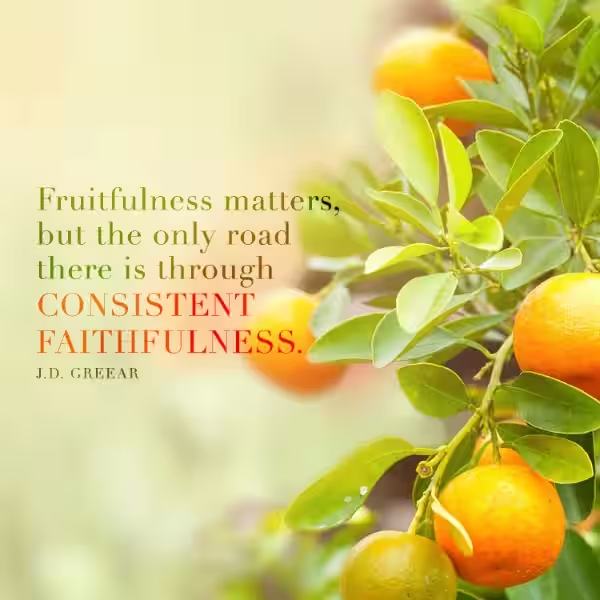
We all crave a sense of purpose, a feeling of fulfillment. Whether driven by religious beliefs or a personal philosophy, the desire to be fruitful—to produce something meaningful and lasting—is a universal human aspiration. This desire for fruitfulness manifests in many ways, from raising a family to creating art, to contributing to a cause. Ultimately, being fruitful is about finding a way to leave a positive impact on the world, a testament to our own unique contributions. It’s about living a life that leaves behind something more than ourselves.
Consider the concept of fruitfulness in a religious context. Many faiths emphasize the importance of productive living, often linking it to spiritual growth and service to others. This isn’t just about material possessions or outward achievements, but about yielding inner strength, compassion, and wisdom. Think of the parable of the talents; the emphasis is on using what you have to make something valuable and enduring. This resonates deeply with the concept of being fruitful, both in the grand scheme of the universe and in our own day-to-day actions.
The pursuit of fruitfulness isn’t confined to religious doctrine. In secular life, we see this desire play out in myriad forms. For example, an artist might strive to create stunning works that inspire awe; a scientist might dedicate their career to unraveling the complexities of the universe. A parent might focus on nurturing their child’s growth and development. The desire to be fruitful is deeply woven into the human fabric. These forms of fruitfulness often involve:
Personal growth, developing new skills and exploring potential
Contributing to the community, volunteering or supporting social causes
Strengthening relationships, building connections with loved ones
This drive to be fruitful often stems from a deep-seated need to feel connected to something larger than ourselves. It’s about recognizing our unique place in the world and finding ways to contribute. This could be as simple as helping a neighbor, or as profound as creating a movement for social change. The important part is the intention and the impact that follows.
Cultivating Fruitfulness in Everyday Life
How can we cultivate fruitfulness in our daily lives? The journey begins with self-awareness; knowing your values, passions, and talents. What truly ignites you? What makes you feel alive? This self-discovery is essential for identifying areas where you can be most impactful. Think about your values. What principles guide your actions? Are you acting in accordance with those principles? These questions can greatly aid your efforts. Consider these steps:
Identifying your talents and finding ways to use them creatively and purposefully
Setting meaningful goals that align with your values and aspirations
Nurturing your relationships with compassion and understanding
Being fruitful is not always about grand gestures. Small acts of kindness, thoughtful conversations, and consistent effort—these all contribute to a life of fruitfulness. For example, a simple act of helping a friend move can be a fruitful gesture, leaving a lasting positive impact. Similarly, taking time to listen to a loved one demonstrates fruitfulness in your relationship.
Overcoming Obstacles to Fruitfulness
The path to fruitfulness is rarely smooth. Obstacles such as self-doubt, fear of failure, or external pressures can hinder our progress. It is crucial to recognize these obstacles and develop strategies to overcome them. These challenges, rather than being hurdles, can actually be valuable opportunities for personal growth. For example, if you’re struggling to finish a project because of self-doubt, remember that even small steps forward are progress.
Cultivating resilience and a growth mindset are essential. A growth mindset involves embracing challenges as opportunities for learning. If you face a setback, view it as an opportunity to adjust your approach and refine your strategies. Creating a support system of friends, mentors, or family members can provide encouragement and guidance during challenging times. Remember to celebrate your successes, no matter how small, and don’t be afraid to ask for help when needed. This self-care can also contribute greatly to your efforts.
The Enduring Legacy of Fruitfulness
Ultimately, the pursuit of fruitfulness is about creating a legacy that extends beyond ourselves. Whether it’s through acts of service, creative expression, or personal growth, the goal is to leave the world a little better than we found it. This can be achieved through a variety of avenues, from raising a family to supporting a cause to creating beautiful art. The important element is the desire to leave a positive impact.
The key is to stay connected to your values, passions, and purpose. Reflect on the impact you want to create and then take consistent steps to nurture these goals in your life. This consistent effort will lead to a fulfilling existence, one that is both personally and spiritually rewarding. This is the true meaning of being fruitful in all its forms. Embrace the journey, and know that your efforts, no matter how seemingly small, contribute to a larger world of fruitfulness.
Frequently Asked Questions about Being Fruitful
What does it mean to be fruitful?
It depends on the context. In a religious sense, it often refers to bearing spiritual fruit, producing good works, and spreading faith. In a secular sense, it might refer to having children, growing crops, or achieving personal or professional success.
Different religions have different interpretations. Generally, it involves living a life guided by religious principles, participating in religious practices, and helping others.
What are some examples of being fruitful in a religious context?
Examples could include acts of charity, acts of service, spreading the word of your faith, fostering a loving community, and growing in your spiritual understanding.
How can I be more fruitful in my personal life?
This is subjective, depending on your definition of fruitfulness. It could involve setting goals, pursuing passions, nurturing relationships, developing skills, and making a positive impact on the world around you.
Is there a single definition of fruitfulness that applies to all religions?
No, there isn’t a single definition. Interpretations and examples differ based on specific religious beliefs and values.