The Dove and Olive Branch: Symbols of Peace and Hope Across Religions
The Dove and Olive Branch: Symbols of Peace and Hope Across Religions
The image of a dove carrying an olive branch is a powerful symbol of peace, hope, and renewal that transcends geographical and religious boundaries. Seen across cultures and faiths, this image speaks to a universal human desire for harmony and reconciliation. This universal understanding is remarkable considering how differently the symbolism has been interpreted and applied throughout history.
This potent image can represent different aspects of divine grace and spiritual growth. From the Noah's Ark story in the Old Testament to the imagery embraced by various faiths, the dove and olive branch are powerful reminders of the enduring human spirit, the importance of forgiveness, and the potential for restoration after conflict. Recognizing these shared cultural and religious themes allows us to understand how this simple image holds such profound meaning for so many people.
In Abrahamic religions—Judaism, Christianity, and Islam—the dove and olive branch often symbolize divine favor and the promise of peace. In the biblical story of Noah's Ark, a dove released by Noah returned with an olive branch, signaling that the floodwaters were receding and the earth was once again habitable. This act represents a renewal of life and a re-establishment of harmony with the natural world, marking a turning point from destruction to restoration.
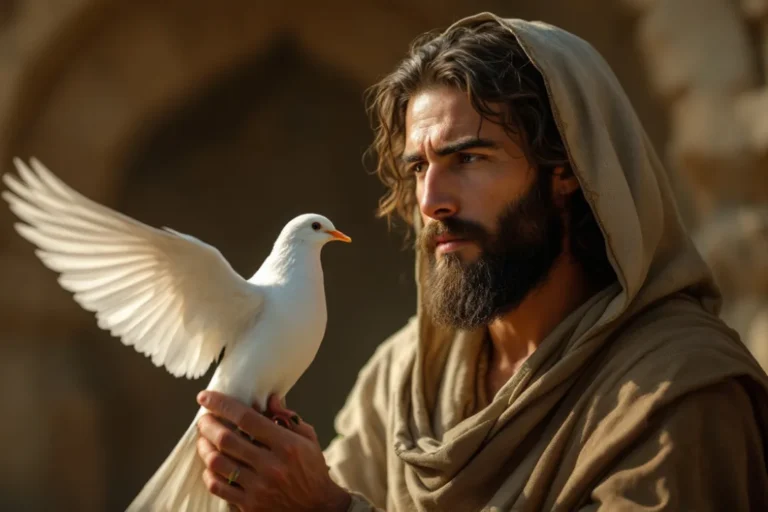
The dove's presence in the New Testament deepens this meaning. When the Holy Spirit descends upon Jesus at his baptism, it arrives in the form of a dove—a moment that further solidifies the bird's connection to spiritual renewal and divine blessing. The dove's gentle nature and association with purity are powerful elements in these stories, reinforcing the message of hope and transformation. Imagine the visual power of this imagery: innocence and softness embodied in a dove, carrying an olive branch—itself a symbol of fruitfulness and restoration. This combination creates a visual language of peace that has resonated across millennia.
Symbolism in Other Faiths
Beyond Abrahamic traditions, the dove and olive branch appear in various forms across different cultures and religious contexts. In many indigenous traditions, doves represent messages from the divine or spirits. The olive branch might symbolize abundance, fertility, and the bounty of nature. In some traditions, the dove embodies prophetic visions or divine guidance—a messenger between the earthly and spiritual realms. The symbolism varies widely, illustrating the adaptability and richness of spiritual expression across human communities.
In some cultures, a dove or similar bird serves as a messenger from the gods, while the olive branch symbolizes the fruits of peace and reconciliation. This pattern appears in art and literature across countless cultures, from ancient civilizations to contemporary works. The versatility of this imagery is a testament to its universal relevance—it speaks to fundamental human needs regardless of specific religious doctrine. What makes this symbolism so durable is that it addresses core human experiences: the desire for peace, the hope for renewal, and the possibility of moving beyond conflict.
Modern Interpretations and Applications
In the modern world, the dove and olive branch continue to be powerful symbols of peace, reconciliation, and hope. They feature prominently in the logos of peace organizations and humanitarian initiatives, serving as visual anchors for their missions. You'll find these symbols in art, literature, political discourse, and the work of organizations dedicated to diplomacy and humanitarian aid—each use reinforcing the commitment to building a more peaceful and harmonious world.
This enduring symbolism works because it speaks without words. A single image evokes centuries of cultural memory and spiritual meaning. Whether appearing on a protest sign, a nonprofit's letterhead, or in a contemporary artwork, the dove and olive branch remind us of the potential for reconciliation even in the face of conflict. The simplicity of the image is deceptive; its power lies in layers of meaning accumulated across religions, cultures, and centuries. Take a moment to consider how this imagery appears in your own cultural landscape—it might be subtle, woven into everyday life in ways you haven't consciously noticed.
Frequently Asked Questions
What does the dove and olive branch symbolize in religion?
In many religions, the dove and olive branch symbolize peace, hope, and the renewal of life after hardship or destruction. The dove's return with an olive branch represents the end of catastrophe—signifying a return to normalcy and, in the biblical context, a divine covenant with God. This imagery conveys not just the absence of conflict, but the restoration of harmony and divine blessing.
What religions use the dove and olive branch as symbols?
The dove and olive branch appear in Christianity, Judaism, Islam, and various indigenous and ancient religious traditions. While the specific interpretations differ, the general association with peace, divine blessing, and renewal remains consistent across these traditions.
Is the dove and olive branch a universal symbol of peace?
While the dove and olive branch are frequently associated with peace, their specific religious and cultural interpretations vary significantly. Not all cultures or religions use this image to signify peace, and where they do appear, the nuances of meaning can differ based on local spiritual traditions and historical context.
What is the origin of the dove and olive branch symbolism?
The symbolism originates primarily from biblical stories, especially the account of Noah's Ark. When Noah releases a dove to determine whether the floodwaters have receded, the bird returns carrying an olive branch—evidence that the earth has become habitable again. This moment of confirmation and hope became archetypal, establishing the dove and olive branch as enduring symbols of peace, survival, and divine restoration.