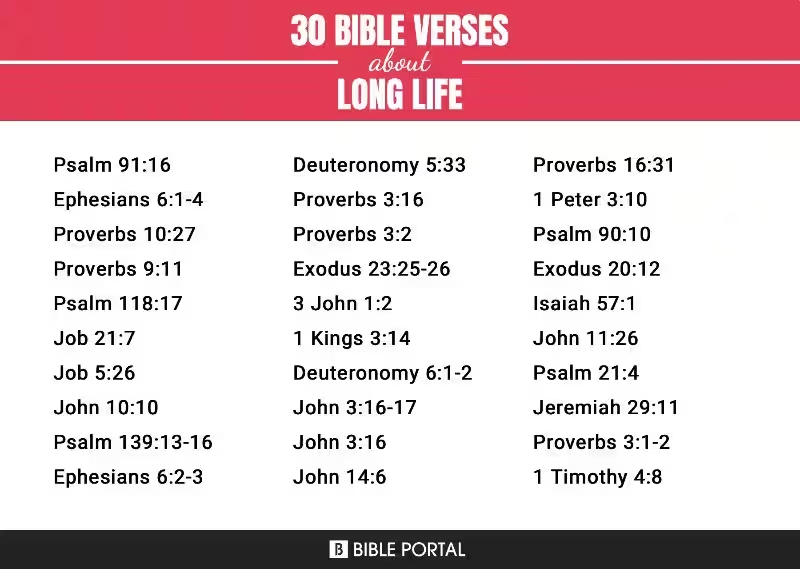
Throughout history, humans have yearned for a long and fulfilling life. This desire transcends cultures and beliefs, and many religions offer insights into living a healthy and meaningful existence. Biblical texts, for example, frequently mention the importance of virtuous living and its connection to longevity. But what exactly do these scriptures tell us about achieving a long life, and how can we apply these principles to our modern lives?
This exploration delves into the concept of long life, drawing on wisdom from various religious texts. We’ll examine not just the literal verses but also the underlying principles they embody. Ultimately, the goal is not simply to extend our years, but to live each one with purpose and meaning. We’ll uncover the profound truths about living a life of value, a life that aligns with divine teachings, and one that ultimately contributes to a more profound sense of self and connection to the universe. This journey will show that some of the most important lessons about living a long life are often found within the very scriptures that shape our beliefs.
Many scriptures emphasize the importance of moral conduct as a key to a long life. For instance, the Book of Proverbs (often cited in this context) repeatedly stresses the value of wisdom, righteousness, and discipline. Living a life guided by ethical principles isn’t just about avoiding sin; it’s about fostering a deep connection to something greater than ourselves, nurturing our relationships, and living with integrity. This, in essence, forms the bedrock of a long, healthy life. Consider the example of someone who prioritizes honesty and compassion. These character traits likely lead to stronger relationships and fewer stressful situations in life – both key factors in fostering well-being and longevity.
The concept of holistic well-being is also a common theme. This implies that focusing solely on the physical aspects of aging is not enough. Scriptures often highlight the importance of emotional, mental, and spiritual health. The Quran, for instance, emphasizes the significance of patience and perseverance. This connects directly to stress management and emotional regulation, which are recognized as crucial factors in maintaining good health as we age. These scriptures encourage us to cultivate inner peace. A life free from chronic stress and filled with gratitude can significantly contribute to a longer and healthier life.
Nourishment and a Balanced Life: Health and Well-being
Beyond moral principles, scriptures often touch on the importance of a balanced lifestyle. Many traditions prescribe the importance of healthy eating, proper rest, and regular exercise. Consider the dietary guidelines found in the Torah or the emphasis on physical and mental disciplines in the Hindu scriptures. These principles emphasize harmony and equilibrium, which are crucial for overall well-being and longevity. For instance, the concept of “eating to live, not living to eat” is a principle often embedded in religious teachings.
Examples of practical application include a diet rich in fruits and vegetables, regular physical activity, and adequate sleep. These practices, when integrated into a life guided by ethical principles, can contribute to a significant increase in overall health and longevity. Scriptures often portray health not as a separate entity, but as an integral part of a virtuous and productive life. A healthy mind is a healthy body, and a healthy body is a conduit to a life filled with purpose and meaning. A balanced life, based on religious teachings, is thus a path to not just longevity, but a richness of existence. For example, regular prayer can reduce stress and promote emotional stability – a critical element of overall well-being.
Relationships and Community: Connecting for a Longer Life
Many scriptures underscore the importance of strong relationships and a supportive community. The Bible, for example, highlights the value of familial bonds. Maintaining close relationships with family and friends can provide emotional support and reduce feelings of isolation, which are known risk factors for various health problems. The emphasis on community in many religious texts encourages social engagement and a sense of belonging, which can have a profound effect on longevity.
Examples include regular visits with family, participating in community events, and maintaining contact with friends. These interactions can foster feelings of belonging and reduce stress. Furthermore, a strong community provides a support system that can help navigate life’s challenges and offer a sense of purpose. Building and nurturing those relationships directly impacts our emotional well-being and thus our overall health and longevity. This connection to others is not just a social need, it’s a spiritual need, often emphasized in religious scriptures.
Conclusion
The scriptures offer a profound perspective on longevity. They don’t promise a magical formula to extend our lives indefinitely, but instead provide guidance on living a life of virtue, purpose, and meaning. By focusing on moral conduct, healthy habits, strong relationships, and a sense of community, we can create a foundation for a long and fulfilling life. This isn’t about adhering strictly to every religious text, but rather about understanding the enduring wisdom and applying its core principles to our modern lives.
Ultimately, the principles of longevity, as outlined in scriptures, are timeless and universal. They offer a roadmap for a more meaningful existence, one that encompasses not just physical well-being, but also emotional, mental, and spiritual health. By embracing these principles, we embark on a journey not just towards a longer life, but towards a richer and more fulfilled one.
Frequently Asked Questions
What scriptures talk about long life?
Different religious texts contain various passages about long life, often intertwined with concepts of righteousness, obedience, and blessings. Specific examples vary based on the tradition.
What does [Religion Name] say about long life?
[Religion Name] scriptures often associate long life with virtuous conduct and faithfulness to divine principles. Interpretations may differ among adherents.
How does [Religion Name] view the concept of a long life?
The concept of long life in [Religion Name] is generally viewed as a potential blessing, but not always the primary goal. Emphasis may be placed on living a life of purpose and service.
Are there any scriptures that connect long life with specific actions or behaviors?
Some scriptures suggest that actions like caring for the vulnerable, practicing compassion, and avoiding harmful behaviors may contribute to a longer life. However, specific connections can vary.
Does [Religion Name] believe that a longer life is always a good thing?
Different interpretations exist. Some traditions may emphasize the importance of using one’s time wisely, regardless of its length. There’s not always a direct correlation between quantity and quality of life.
How do different religions view the role of faith in achieving a long life?
Faith is often portrayed as a factor influencing overall well-being, which can indirectly contribute to a longer life, but the direct link is not always explicitly stated.
What are the perspectives on the concept of a “blessed” long life across different religions?
The concept of a blessed long life is often associated with divine favor and righteousness in many religious texts. Specific criteria for this vary significantly.
What are the common themes in different scriptures that touch upon longevity?
Common themes include living in harmony with nature, maintaining strong family bonds, and demonstrating respect for elders and wisdom.