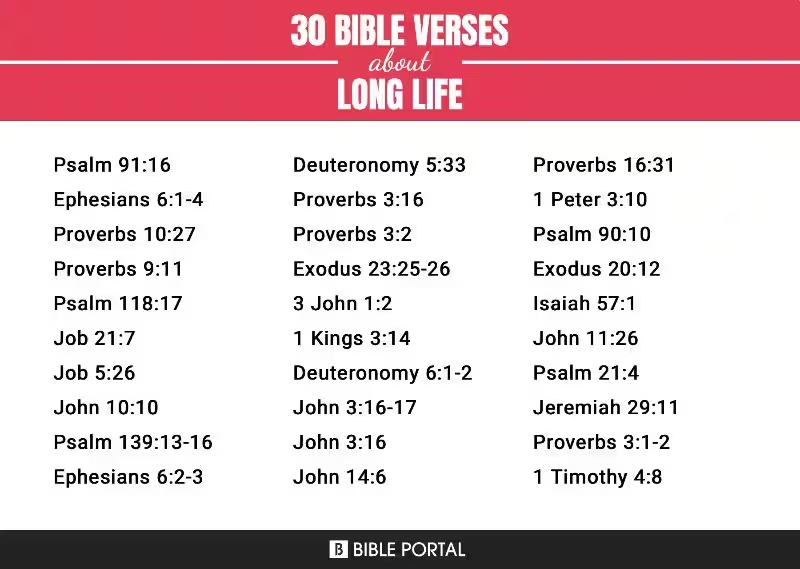
Humans have always yearned for a longer, healthier life. This desire, deeply ingrained in our nature, is reflected in countless cultures and religions, and the pursuit of longevity is interwoven with spiritual and ethical frameworks. Many religious traditions offer insightful perspectives on how to live a fulfilling and potentially longer life. Throughout history, individuals have sought guidance from scripture to understand the importance of health, happiness, and well-being in the context of a longer lifespan.
The idea of long life isn’t simply about adding years to our existence, but about living those years with meaning and purpose. Many scriptures emphasise the importance of righteous living and care for the body and soul as keys to longevity. For example, the concept of living a good life in the Bible is often linked to making wise decisions, avoiding harmful behaviours, and appreciating the present moment. This holistic approach to life promotes not only physical health but also emotional and mental well-being which are often essential factors in longevity.
Numerous religious texts suggest a strong correlation between faith and well-being. A sense of purpose and connection to something larger than oneself can provide a profound sense of peace and contentment, which are often associated with better health outcomes. This positive mindset can act as a protective shield against stress and anxiety, both of which are detrimental to longevity. Furthermore, many scriptures emphasise the importance of gratitude and optimism as essential components of a fulfilling life, fostering a mindset conducive to a longer, healthier life.
Consider prayer, meditation, or mindfulness practices. These are not just spiritual exercises, but also powerful tools for stress reduction and emotional well-being. For instance, in many religious contexts, daily prayer is seen as a way to connect with a higher power, which can lead to a sense of peace and stability. This sense of peace, in turn, can contribute to a more harmonious and balanced life, promoting physical and mental health. Ultimately, faith isn’t just a belief, but a lifestyle that can profoundly impact every area of life, including longevity.
Many religious texts contain dietary guidelines that promote long life and good health. The principle of moderation is a common thread. For example, some scriptures encourage a balanced diet that includes fresh fruits and vegetables and avoids excessive consumption of certain foods. In numerous religious traditions, a balanced and moderate approach to food and drink is seen as essential for physical and spiritual well-being. For example, the dietary laws in Judaism encourage the consumption of specific foods and the avoidance of others, which might have long-term health benefits. The concept of mindful eating — paying attention to the body’s hunger cues and the satisfaction derived from food — is also a common theme in numerous scriptures, promoting a healthy relationship with food.
Specific dietary restrictions or recommendations often align with the preservation of health. For instance, avoiding harmful substances or focusing on natural foods are frequently highlighted in scriptures. These guidelines, while rooted in religious principles, are often supported by modern scientific research that underscores the importance of a healthy diet for a longer and healthier life. A balanced diet, rich in nutrients and low in harmful substances, is often linked to improved physical health and longevity. Consider limiting processed foods, excessive sugar, and unhealthy fats as a practical step towards a longer, healthier life, aligning with numerous religious dietary guidelines.
Lifestyle Choices and Spiritual Well-being
Beyond diet, many scriptures emphasize the importance of virtuous living and moral conduct in promoting longevity. Acts of compassion, kindness, and forgiveness are seen as ways to cultivate inner peace and harmony, which are often linked to better health. For instance, the Bible often links compassion with longevity. This focus on character and ethical living is crucial, as it cultivates a calming and peaceful inner state. Likewise, avoiding excessive stress, anger, and resentment is often highlighted as a way to preserve health and extend life.
Social connections are also often highlighted as a key component of a long and healthy life. Scriptures often encourage community involvement, acts of service to others, and maintaining strong family ties. These connections provide support, reduce isolation, and promote a sense of belonging. These elements can significantly impact one’s emotional and mental well-being, factors that contribute to longevity. Maintaining strong social connections is often emphasized in religious texts, as it links to a profound sense of purpose and belonging, which can contribute to healthier and longer lives. Think of volunteer work, community gatherings, or simply nurturing close relationships as ways to embody these principles.
The quest for longevity is a universal human experience. In the rich tapestry of religious traditions, we find guidance and wisdom on how to live a life of purpose, health, and well-being. By aligning our actions and behaviours with the principles of virtue, compassion, and moderation, we can strive towards a longer, healthier, and more fulfilling life.
Ultimately, the scriptures’ teachings on longevity offer a comprehensive perspective that encompasses not just physical well-being, but also mental, emotional, and spiritual health. These intertwined elements form the foundation of a rich and meaningful life, a life that aligns with the desire for a longer span of years filled with joy and purpose.
Frequently Asked Questions about Scripture and Long Life
What does the Bible say about long life?
Different interpretations exist. Some passages focus on God’s blessings and longevity as a reward for obedience, while others emphasize the brevity of life and God’s sovereignty over time. There’s no single, definitive answer, and the meaning can vary depending on the specific passage and context.
What does [specific religion, e.g., Islam] say about long life?
[Insert answer specific to the religion asked, e.g., Islam emphasizes faith, good deeds, and seeking knowledge as pathways to a good life, which may or may not include a long lifespan. The focus is on living a righteous life pleasing to Allah, and the length of one’s life is ultimately in God’s hands.]
Are there specific scriptures that promise long life for specific actions?
Some interpretations suggest specific actions, like righteous living and fearing God, can lead to blessings including longevity. However, there isn’t a universally agreed-upon list of actions guaranteed to produce a long life, and the focus remains on faith and God’s will.
How do different religions view the meaning of a long life?
Different religions have varying perspectives. Some may place more emphasis on worldly achievements and success within a long life, while others prioritize spiritual growth and preparation for the afterlife, regardless of lifespan.
Why do some people live long lives while others do not?
This question delves into the complex interplay of genetics, lifestyle choices, and faith. Religions often emphasize that life’s duration is ultimately determined by God. Physical health and well-being are also contributing factors.