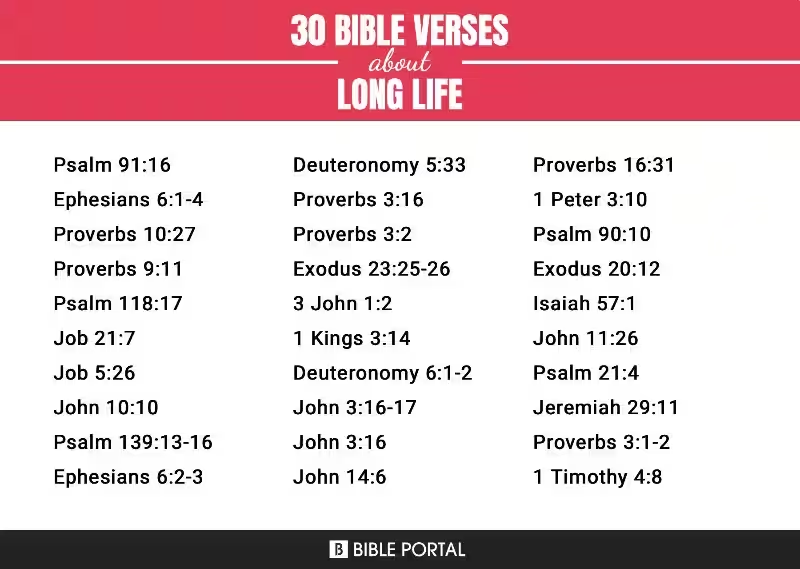
Throughout history, humanity has yearned for a longer, healthier life. From ancient civilizations to modern-day societies, the desire to extend our time on Earth has driven countless inquiries and explorations. Religious texts, often viewed as more than just stories, provide profound insights into living a fulfilling life, encompassing not just physical longevity, but also spiritual well-being and inner peace. Many of these ancient texts offer powerful principles that can be applied to our modern lives, guiding us towards a richer and more meaningful existence.
The journey towards a long and healthy life is rarely straightforward. Challenges and obstacles are inevitable, but the wisdom found in long life scriptures can serve as a compass, pointing us towards resilient ways of living. Philosophies embedded within these sacred texts often emphasize the importance of mindfulness, gratitude, and connection to something larger than ourselves. The teachings of these texts can be seen as tools for navigating life’s trials and tribulations, ultimately fostering a longer, happier experience.
Numerous long life scriptures emphasize the profound impact of positive thinking on our health and well-being. The Bible, for example, speaks of faith as a powerful force capable of moving mountains. This concept resonates across many faiths. The idea is that a positive mindset, coupled with hope and resilience, strengthens the body and spirit, allowing us to withstand life’s pressures. Imagine a farmer who believes in their ability to harvest a bountiful crop, even during a drought; this belief can be a significant factor in their resilience and success.
Furthermore, the concept of gratitude plays a crucial role. Various scriptures encourage us to appreciate the good in our lives, fostering a sense of peace and contentment. This practice, in turn, can contribute significantly to our overall longevity. Consider the Buddhist concept of mindfulness, which encourages awareness of the present moment. Practicing gratitude and mindfulness can cultivate a deeper understanding of ourselves and the world around us, allowing us to navigate life’s ups and downs more effectively. Studies demonstrate that cultivating gratitude can positively influence stress levels and emotional well-being.
Cultivating Healthy Habits: Practical Wisdom from Sacred Texts
Beyond the philosophical, many long life scriptures offer practical guidance on healthy living and longevity. The concept of moderation is a recurring theme. The ancient texts advocate for balance in our dietary habits, avoiding excesses and embracing nutritious foods. In the Quran, for example, there are verses encouraging healthy eating and sufficient rest. This suggests a holistic approach to well-being, understanding that nutrition, sleep, and rest are crucial for longevity. Examples include the emphasis on fresh fruits and vegetables, whole grains, and lean proteins.
The importance of community and strong social connections is also highlighted in various long life scriptures. For example, the idea of the unbreakable bonds of family is central to many traditions. The encouragement to nurture relationships, offer support to others, and participate in communal activities can contribute significantly to our overall well-being and potentially even longevity. This reinforces the importance of social support systems in maintaining health and happiness throughout life. Consider the role of extended family gatherings and community celebrations in providing a sense of belonging and meaning.
Spiritual Practices for a Long and Fulfilling Life
Beyond physical health, many long life scriptures emphasize the importance of spiritual well-being for a long and fulfilling life. Meditation, prayer, and mindfulness practices are often cited as powerful tools for reducing stress, fostering inner peace, and enhancing overall well-being. These practices can help us find a deeper connection to ourselves and something larger than ourselves. For instance, the Hindu concept of yoga combines physical postures with breathing techniques and meditation, promoting mental clarity, physical strength, and overall well-being. This holistic approach to health is supported by many long life scriptures.
Ultimately, the wisdom embedded in long life scriptures isn’t about a magical elixir of youth. It’s about embracing a philosophy of life that integrates physical, mental, and spiritual well-being. Ancient texts offer valuable insights into living a meaningful life. The key is to find the principles that resonate most with you and incorporate them into your daily routines, fostering a sense of purpose, contentment, and well-being that extends far beyond the physical realm. This is the underlying message that connects many different long life scriptures.
Frequently Asked Questions about Long Life Scriptures and Religion
What scriptures talk about longevity?
Many religious texts contain passages about long life, often intertwined with concepts of righteousness, faith, and divine favor. Specific examples vary depending on the tradition.
How do different religions view aging and death?
Views on aging and death vary significantly. Some religions see aging as a natural process leading to a spiritual reward or rebirth. Others emphasize the importance of living a virtuous life to achieve a longer, more meaningful existence. Still others see death as the ultimate transition.
Are there rituals or practices in different religions that promote longevity?
Certain religions incorporate rituals, prayers, and lifestyle choices that are believed to promote longevity and well-being. These practices can include dietary restrictions, meditation, prayer, and acts of charity.
How do religious beliefs impact choices about healthcare and end-of-life decisions?
Religious beliefs often influence healthcare decisions, including choices about medical treatments and end-of-life care. Different religions have varying perspectives on these important issues.
Is there a correlation between religious adherence and longevity?
Studies on the correlation between religious practices and longevity are complex and often yield mixed results. Further research is necessary to draw definitive conclusions.
Can scriptures be interpreted differently regarding long life?
Different interpretations of scriptures regarding long life are common across different denominations and sects within a faith. Scholars and theologians often debate the nuances of these interpretations.