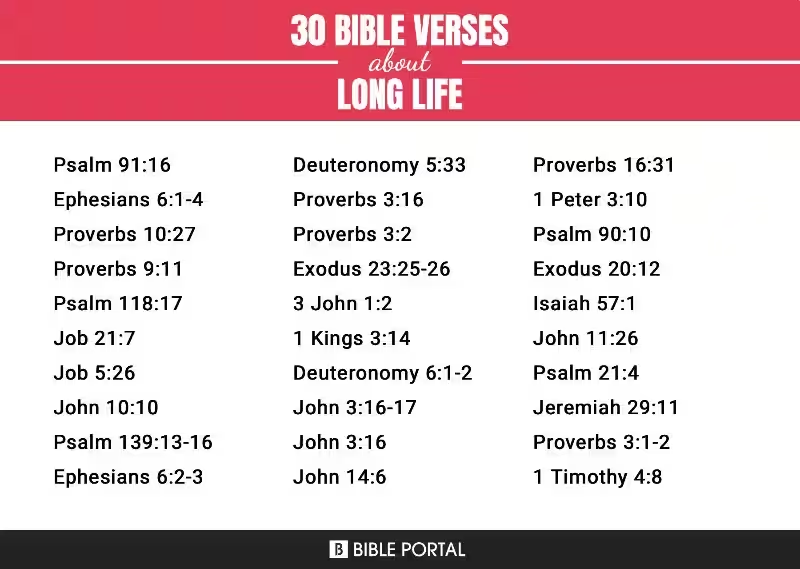
We all yearn for a long and healthy life, filled with joy and purpose. Many seek guidance and wisdom from various sources, and the Bible, a cornerstone of faith for billions, offers profound insights into living a meaningful life, including a fulfilling lifespan. This article explores the biblical perspective on longevity, delving into the verses that speak to healthy habits, faith, and relationships, ultimately showing how these principles can contribute to a longer and happier life.
The Bible doesn’t explicitly detail a “secret formula” for extended life, but it does emphasize values and practices linked to well-being and longevity. Its teachings, interwoven with stories, emphasize the importance of character development and living a virtuous life. These qualities are often directly correlated with maintaining a robust physical and mental state. For example, the concept of “living in harmony with God’s plan” appears frequently throughout the scriptures. This implies that faith, and a connection to a higher power, is not just a spiritual path but a pathway to a healthy and long-lasting life.
Strong relationships are vital for a fulfilling life, and the Bible consistently highlights their significance. “Honor your father and your mother, that your days may be long in the land the Lord your God is giving you” (Exodus 20:12) underscores the importance of family ties. This commandment, a cornerstone of biblical teachings, suggests that respect and harmony within families are essential for a long life. This includes not just familial relationships, but also supportive and healthy social connections. For example, consider the close bonds in the biblical stories, and how they provided encouragement and support, which were crucial for navigating challenges.
The biblical narratives emphasize the importance of building and maintaining strong and supportive relationships. These relationships are often depicted as sources of comfort, encouragement, and mutual understanding. In times of struggle, these relationships provide a buffer against stress and adversity, potentially impacting one’s overall health and lifespan. Consider the biblical stories of mentorship and guidance. These figures provided support and wisdom that directly influenced the lives of those around them, fostering a sense of belonging and purpose. Think about the many examples of close friends who encouraged each other, and the positive impact this had on their respective lives and well-being.
Nourishment and Wellbeing: A Practical Approach
The Bible offers a subtle yet profound approach to well-being. While not explicitly a “nutrition guide,” the principles embedded in biblical teachings reflect a holistic approach to health and longevity. “I will give you long life and prosperity…” (Numbers 21:27) implies a connection between healthy choices and a longer lifespan. Practical applications include the importance of moderation, mindfulness, and contentment. For example, the emphasis on gratitude and appreciation can minimize stress, a known factor in many health issues. The teachings on rest and avoiding excessive labor also contribute to overall wellness. In today’s world, this translates to balancing work with rest and recreation. Many biblical figures are depicted as having found joy in their labor and also making time for rest.
The Bible alludes to the importance of healthy habits. While not a cookbook, it reflects a perspective that combines spiritual and physical well-being. Biblical characters often faced challenges that likely impacted their health and longevity. By understanding the context, we can see how their responses to adversity and their approach to life could potentially influence their overall health outcomes. Consider the importance of keeping a positive mindset, which is often linked to better stress management and improved health. Many scriptures speak to the benefits of faith and hope, which can contribute to a more resilient and long-lived life.
Faith and a Positive Outlook: The Spiritual Dimension
“Trust in the Lord with all your heart and lean not on your own understanding; in all your ways submit to him, and he will make your paths straight.” (Proverbs 3:5-6) This verse highlights the power of trust in God and its impact on one’s life. This means more than just believing in a higher power, but also embracing a positive outlook, which is often a significant component of long-term well-being. This isn’t about ignoring problems, but about handling them with resilience and hope.
Faith, as depicted in the Bible, isn’t merely a concept but a driving force. It can foster a sense of belonging and purpose, which are critical for a fulfilling life. This is often reflected in the biblical stories of people who faced adversity but persevered through faith. For example, individuals who found strength in their belief system seemed to be more resilient to stress and setbacks. They often found meaning and purpose in their lives; this, in turn, could potentially contribute to their longevity. Maintaining a strong sense of purpose is a crucial element of a long and healthy life. Think about individuals who volunteer, find joy in their work, or are actively involved in their communities. These factors often contribute to a positive and fulfilling life, and a longer lifespan.
Conclusion: A Balanced Approach to Longevity
The Bible’s guidance on longevity isn’t a set of rigid rules, but a collection of principles and values that promote holistic well-being. Living a long and healthy life is a multifaceted endeavor, and the Bible offers a perspective that resonates with the many aspects of a rich and fulfilling existence, encompassing social connections, faith, and healthy habits. Ultimately, these principles, carefully considered, can contribute to a life filled with purpose, joy, and the potential for a longer, healthier lifespan. By embracing the biblical values that contribute to well-being, you can embark on a journey towards a longer and happier life, in alignment with a profound and ancient wisdom.
The Bible’s message, often misunderstood as a simple checklist for a longer life, actually invites a profound journey of self-discovery and connection with a higher power. This journey, interwoven with strong relationships, healthy habits, and a positive attitude, offers a pathway not only to longevity, but to a life brimming with meaning and purpose. In essence, the Bible’s perspective on long life is not solely about the number of years, but about the quality of those years, filled with love, faith, and a deep connection with the world around us.
Frequently Asked Questions
What Bible verses speak about long life?
Several verses touch upon long life, often linking it to righteousness, obedience, and God’s blessing. Examples include Psalm 91:16, Proverbs 3:2, and Deuteronomy 30:19-20. These verses generally emphasize living a life pleasing to God as a key factor in experiencing a long and prosperous life.
What is the role of religion in determining lifespan?
Different religions offer varying perspectives on the relationship between faith and longevity. Some believe that adherence to religious principles and practices can contribute positively to overall well-being, potentially influencing lifespan through factors such as stress reduction, community support, and healthy lifestyle choices encouraged by religious teachings. However, there’s no universally agreed-upon causal link between religious practice and extended lifespan.