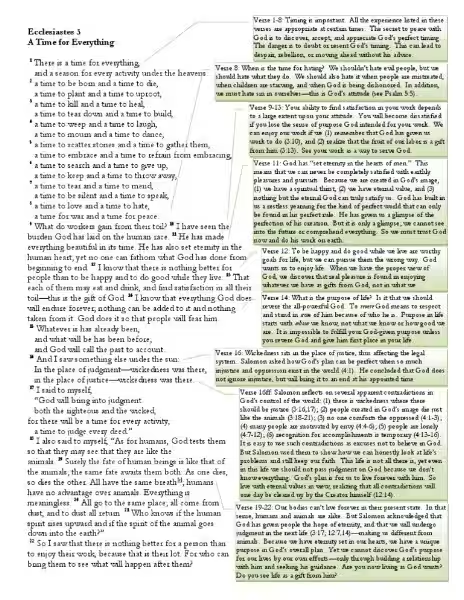
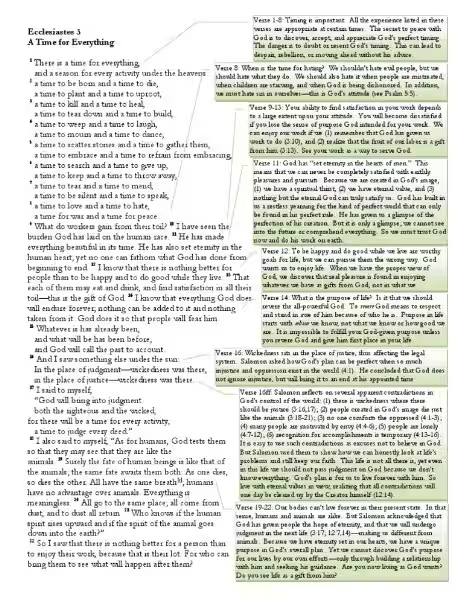
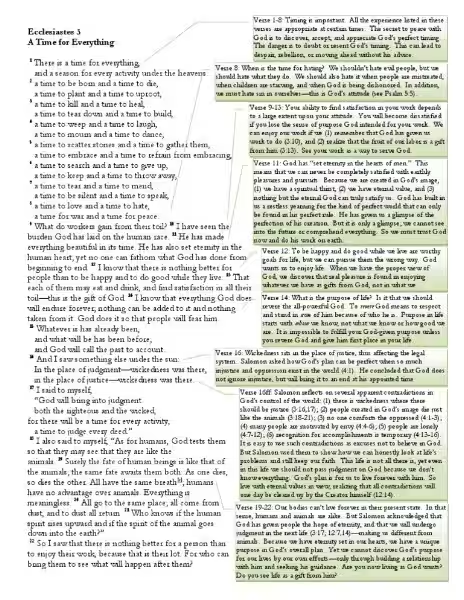
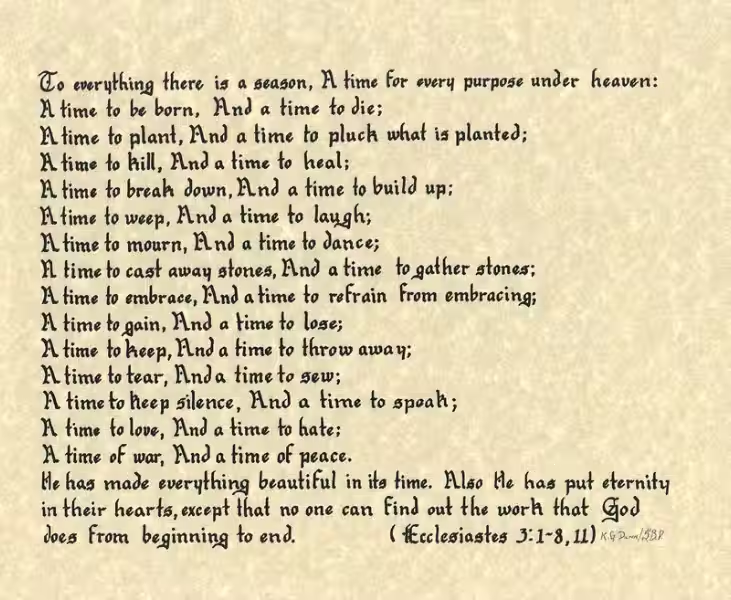
Ecclesiastes 3, a profound passage within the book of Ecclesiastes, dives deep into the human experience. It confronts us with the ebb and flow of life, the inevitability of change, and the search for meaning in a world often perceived as fleeting. This passage, often quoted and pondered, offers a unique perspective on navigating life’s seasons and finding peace amid the seemingly chaotic current of existence. Understanding this chapter can help us appreciate the balance of life’s experiences and embrace the present moment.
The core message of Ecclesiastes 3 is an acceptance that there is a time for everything. This isn’t a denial of joy or purpose, but rather an acknowledgement of the natural rhythms of life. This acknowledgment, this acceptance, is crucial for cultivating a balanced and meaningful life. It allows us to not get overly attached to any single season, understanding that each has its own unique value and function. The passage prompts us to actively participate in these different phases rather than resisting them. Imagine a farmer understanding that the time to sow seeds differs from the time to harvest. This understanding allows for a smoother, more fulfilling experience.
The Time for Everything: Embracing the Cycle of Life
Ecclesiastes 3 highlights the cyclical nature of life, emphasizing that there’s a time for everything. This doesn’t imply a passive acceptance of fate, but rather a conscious awareness of the natural progression of events. From birth to death, from joy to sorrow, from creation to destruction, the book underscores the importance of recognizing the interconnectedness of these seemingly opposing forces. A key takeaway is that each stage, even the difficult ones, plays a role in the intricate tapestry of life.
Imagine a tree. It doesn’t just blossom in spring and then cease to grow. It goes through the cycles of blooming, bearing fruit, autumn, and rest. Each phase is necessary for the tree’s survival and growth. Similarly, life’s experiences, including pain and hardship, are essential for our personal growth and understanding. The passage reminds us that each season of life has its own unique value and beauty, inviting us to embrace them all. This concept can help us navigate the many challenges we face throughout life and appreciate the journey as a whole.
Finding Balance in a Chaotic World
One of the practical implications of Ecclesiastes 3 is the importance of finding balance in life. Instead of clinging to one aspect of life—success, for example—we can appreciate the variety of experiences that life offers. By recognizing that there is a time for everything, we can approach life’s challenges with a sense of perspective and acceptance. This understanding helps us develop resilience and adaptability. This isn’t about denying our emotions or experiences; it’s about accepting them as part of a larger, interconnected whole. For example, if you are experiencing a period of hardship, understanding that this is part of the natural flow of life can help you to cope more effectively.
Another key aspect of Ecclesiastes 3 is recognizing the importance of embracing the present moment. The cyclical nature of life reinforces the idea that each moment is unique and precious. Focusing on what is currently happening within us and around us – without dwelling on the past or worrying about the future—is essential for living fully in the present. This mindfulness is a pathway to appreciate every stage of life. A simple act, like experiencing the taste of a meal, can become a profound moment when approached with mindfulness, free from the distractions of past worries and future anxieties. This is a valuable reminder for us to be present, whether we are in the midst of grief or joy, recognizing that each moment offers an opportunity for growth and understanding.
Ecclesiastes 3 challenges us to view life from a broader perspective. We are constantly urged to embrace the interconnectedness of all things, recognizing that joy and sorrow, creation and destruction, are all part of a bigger picture. This perspective can help us find peace in the midst of life’s inevitable challenges. It’s about moving beyond the immediate and into the realm of the eternal, recognizing the inherent value in every moment, no matter how small or seemingly insignificant. Furthermore, understanding that life is a cyclical journey can reduce feelings of being stuck or hopeless. It encourages a growth mindset and helps us to see life’s challenges as opportunities for learning and development.
Recognising life’s inevitable cycles can help us appreciate the beauty, even in the midst of challenging times. Imagine a storm; it is powerful but temporary. The storm won’t last forever, and the calm will eventually return. Similarly, our struggles and hardships are just moments in a larger journey. By understanding the cyclical nature of life and the passage of time, we can embrace the present moment with greater appreciation and make our lives more fulfilling. This passage reminds us that the true measure of life is not in the absence of hardship, but in how we navigate and grow through it.
Frequently Asked Questions about Ecclesiastes 3
What is the meaning of Ecclesiastes 3?
Ecclesiastes 3 explores the cyclical nature of life, highlighting that everything has its appointed time. It emphasizes the inevitability of joy and sorrow, work and rest, and the importance of accepting the divine order of things.
Ecclesiastes 3 doesn’t explicitly define a specific religion. Instead, it reflects on the human condition and the observation that there are times for all things, including joy and sorrow, which are part of the human experience. Some interpretations view the passage to suggest a recognition of a higher power governing these cycles, while others focus on the philosophical observation of the natural world and human experiences.
Why does Ecclesiastes 3 talk about a time for everything?
The concept of a “time for everything” in Ecclesiastes 3 is meant to encourage acceptance and perspective. It suggests that life is a series of experiences, some pleasant, some painful, and all have their place in the overall design. This perspective can help individuals navigate life’s challenges with a sense of acceptance and purpose.