Christian church positions: Roles, duties, and qualifications
Christian church positions: Roles, duties, and qualifications
Christian church positions are roles of service and responsibility, not simply titles or places in an organizational chart. A church may have ordained leaders, paid staff, elected officers, volunteers, and ministry coordinators, with duties shaped by its denomination and local needs.
The word position can mean two different things in this context. It may refer to a church role, such as pastor, elder, deacon, worship leader, or children’s ministry director. It can also mean a church’s doctrinal position, such as its beliefs about baptism, communion, spiritual gifts, or church governance.
Understanding both meanings helps you ask better questions. If you are considering serving in a congregation, focus on responsibilities, qualifications, supervision, and training. If you are comparing churches, examine the denomination’s beliefs and how those beliefs are practiced locally.
Most congregations organize their work around three broad areas: spiritual leadership, practical administration, and ministry to people. One person may serve in more than one area, especially in a small church. A larger congregation may divide the work among many staff members and volunteers.
Spiritual leadership includes preaching, teaching, prayer, pastoral care, discipleship, and helping the congregation worship. Practical administration includes budgets, facilities, communication, safeguarding, scheduling, and compliance with the church’s own policies. Ministry to people includes children’s programs, youth groups, visitation, counseling referrals, hospitality, outreach, and care for those facing hardship.
Titles are not consistent across Christianity. A pastor in one tradition may have responsibilities similar to a priest in another. An elder may be an ordained leader, a governing board member, or a mature Christian who provides spiritual oversight. A deacon may lead a recognized ministry office in one church and coordinate practical service in another.
Ask what the title means locally. The same name can describe different authority, training, and responsibilities from one denomination or congregation to another.
Pastor, priest, and minister roles in Christian churches
The primary congregational leader may be called a pastor, priest, minister, rector, vicar, or another title. These roles often include teaching Scripture, leading worship, providing pastoral care, administering recognized ordinances or sacraments, preparing people for baptism or confirmation, and representing the congregation in the wider community.
In many Protestant churches, the pastor regularly preaches, leads services, oversees staff, conducts weddings and funerals according to church and civil requirements, and helps the congregation develop its mission. Some churches have a senior or lead pastor supported by associate, executive, campus, or assistant pastors.
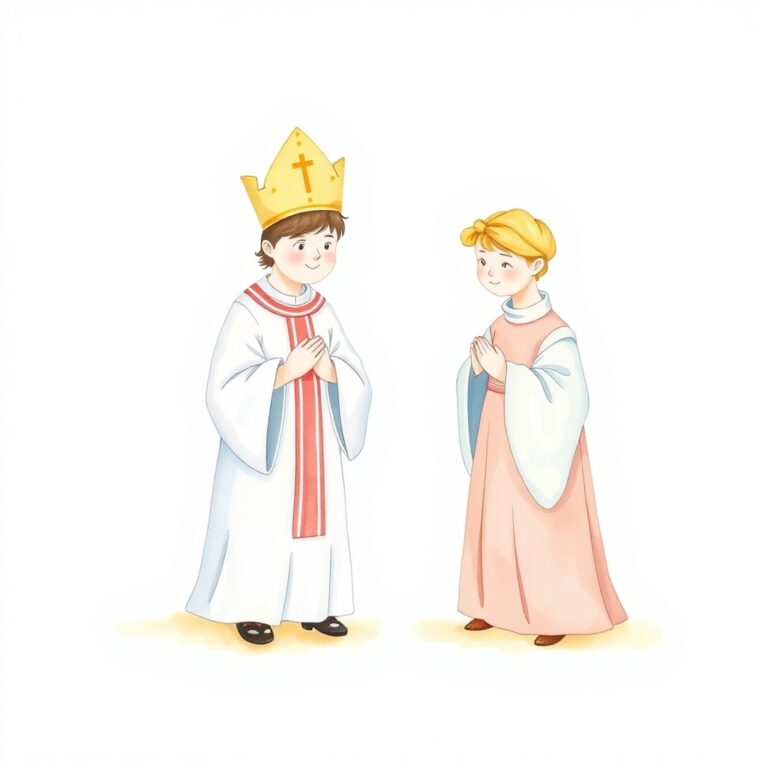
In Catholic, Orthodox, Anglican, and some other traditions, ordained ministry has a more defined sacramental and ecclesial structure. A priest may celebrate the Eucharist or Divine Liturgy and administer other sacraments according to that tradition. A bishop usually oversees a larger region and supervises clergy, while a deacon serves in a distinct ordained ministry.
Pastoral ministry is more than public speaking. A minister may spend substantial time on hospital visits, grief care, conflict mediation, prayer, staff supervision, counseling referrals, community relationships, and preparation for worship. The work can require discretion because leaders often receive sensitive personal information.
How elders, bishops, and overseers provide church governance
Many Christian churches use some form of elder or bishop leadership. The New Testament uses several related terms for leaders and overseers, but Christian traditions interpret those terms differently. Some churches use a team of elders to guide one congregation, while others place congregations within a regional structure led by bishops.
In churches with an elder-led model, elders may share responsibility for doctrine, pastoral care, membership, discipline, finances, and major decisions. A lead pastor may be one of the elders, or the pastor and elders may have separate but cooperative duties.
In a presbyterian system, representative elders commonly participate in governance at the local, regional, and broader denominational levels. In an episcopal system, bishops exercise oversight over clergy and congregations within a defined area. In a congregational system, the local church may retain substantial authority over its leadership, budget, membership, and ministry decisions.
Some churches describe their governance as congregational even when a pastor or elder board handles most routine decisions. The key question is not only who has a title, but who can make which decisions and how leaders are held accountable.
What deacons and ministry servants do
Deacons commonly serve by meeting practical needs and strengthening the church’s care for its members and neighbors. Their work may include organizing food assistance, visiting people in need, coordinating benevolence, supporting worship services, helping with communion, or managing specific ministry projects.
The role varies substantially. In some traditions, the diaconate is a permanent ordained office. In others, deacons are lay leaders elected or appointed by the congregation. Some churches distinguish between deacons who focus on service and elders who focus on spiritual oversight; others expect both groups to participate in governance.
A good deacon is not merely a reliable event volunteer. The position often requires compassion, confidentiality, sound judgment, and the ability to handle requests fairly. Deacons may need to know when a situation calls for a pastor, licensed counselor, social-service professional, medical provider, or emergency response.
Practical service can be highly visible, but much of it happens quietly. Arranging transportation, checking on an isolated member, helping a family find community resources, or ensuring that a worship space is accessible can express the church’s care as clearly as a public ministry.
Common paid and volunteer Christian church positions
A congregation may have only a few formal offices but many ministry positions. Paid status does not automatically determine spiritual importance. Volunteers often carry essential responsibilities, while paid staff may provide consistency, professional expertise, and coordination.
Associate or assistant pastor: supports preaching, pastoral care, discipleship, administration, or a specific campus or congregation.
Youth ministry leader: plans programs, teaches students, trains volunteers, communicates with families, and follows child-safety procedures.
Worship leader or music director: plans congregational music, rehearses musicians, coordinates service elements, and works with technical teams.
Church administrator: manages calendars, records, correspondence, policies, vendors, and routine office operations.
Executive pastor: often coordinates staff, operations, budgeting, strategic planning, and the implementation of leadership decisions.
Outreach or missions director: organizes local service, evangelism, partnerships, and support for mission work.
Small-group or discipleship coordinator: recruits leaders, develops study resources, and helps people connect through groups.
Communications coordinator: prepares announcements, websites, newsletters, social media, and other public information.
Facilities or operations manager: oversees buildings, maintenance, room use, security procedures, and event logistics.
Hospitality or welcome team member: greets guests, provides directions, assists with accessibility, and helps people feel oriented.
Prayer ministry leader: coordinates prayer gatherings and requests while respecting privacy and pastoral boundaries.
Some churches also employ counselors, bookkeepers, custodians, media technicians, childcare workers, and community-service coordinators. The title may be formal or informal, but every position should have a clear purpose and reasonable expectations.
How church positions differ across Christian denominations
Denominations differ in their understanding of authority, ordination, worship, sacraments or ordinances, and the relationship between clergy and laity. These differences affect who may preach, preside at communion, baptize, officiate weddings, vote on church decisions, or serve in formal leadership.
Roman Catholic churches are structured around bishops, priests, and deacons, with the pope serving as bishop of Rome and exercising a universal leadership role within the Catholic Church. Parish life may also include religious sisters or brothers, lay ecclesial ministers, pastoral associates, catechists, and parish councils.
Eastern Orthodox churches generally organize ordained ministry around bishops, priests, and deacons. Local parish responsibilities may also be shared with cantors, choir directors, church-school teachers, council members, and other lay servants. The bishop’s oversight and the parish’s connection to the wider church are significant.
Anglican and Episcopal churches commonly use bishops, priests, and deacons, with laypeople participating in parish councils and other forms of governance. Titles and structures vary among provinces and churches in the Anglican Communion.
Many Protestant churches use pastors, elders, and deacons, but the arrangement is not uniform. Baptist churches often emphasize local congregation authority and may have pastors, deacons, and ministry directors. Methodist churches commonly connect local congregations with a wider denominational structure and appointed clergy. Lutheran churches may use pastors, bishops, deacons, and elected councils, depending on the church body.
Non-denominational churches may use titles such as lead pastor, teaching pastor, executive pastor, elder, and ministry director. Their governing documents may combine features of several traditions. Since “non-denominational” does not describe one universal structure, reviewing the church’s statement of faith and bylaws is especially useful.
Qualifications commonly expected for church leadership
Qualifications depend on the position and tradition. Ordained offices often involve formal theological education, supervised ministry, examinations, denominational approval, and a recognized process of ordination. Other roles may require training, experience, background checks, or demonstrated competence rather than seminary education.
Character is central across many Christian traditions. Passages such as 1 Timothy 3 and Titus 1 describe qualities associated with overseers and deacons, including integrity, self-control, faithfulness, hospitality, and a good reputation. These passages are not merely lists of professional skills; they connect leadership with the way a person treats others and manages responsibility.
Churches may assess candidates through interviews, references, doctrinal statements, observation, mentoring, and a period of service. A candidate for children’s ministry may need child-safety training and screening. A financial officer may need accounting experience and a commitment to separation of duties. A pastoral counselor should understand the limits of pastoral care and know when to refer someone to a licensed professional.
Spiritual maturity does not remove the need for practical competence. A compassionate leader who cannot maintain confidentiality, communicate clearly, or follow safeguarding policies may still create serious problems. Likewise, an efficient administrator needs humility, ethical judgment, and respect for the people served.
How to choose a church position that fits your gifts
Start with the needs of the congregation rather than a preferred title. A person who enjoys teaching may be suited to Bible study leadership, but someone with strong organizational skills may better serve by coordinating volunteers or managing a ministry calendar. Service is most sustainable when your abilities, availability, convictions, and boundaries are considered together.
List your abilities: consider teaching, listening, organizing, music, technology, hospitality, administration, caregiving, languages, or practical trades.
Identify your limits: decide how much time you can give, what settings you can handle, and which responsibilities require training or supervision.
Ask about actual needs: speak with a pastor, ministry director, elder, or volunteer coordinator about open roles and current priorities.
Begin with a defined commitment: a trial period or specific project can help you learn whether the role is a good fit.
Request training and feedback: ask who supervises the position, how success is evaluated, and what resources are available.
Review the church’s expectations: understand its statement of faith, conduct policies, safeguarding rules, and approach to confidentiality.
Reassess after serving: discuss what is working, what is difficult, and whether the role should continue, change, or end.
You do not need to accept a formal title to serve meaningfully. Setting up chairs, preparing meals, mentoring a teenager, visiting an older member, translating for families, or helping with bookkeeping can meet real needs. A clear, dependable contribution is often more valuable than taking on a prestigious-sounding role without the capacity to fulfill it.
Common mistakes when accepting a church position
Church service can become unhealthy when expectations remain vague. Before agreeing to a role, ask for a written description or at least a clear conversation about duties, authority, schedule, training, and reporting relationships.
Accepting a title without defined authority: find out what decisions you can make and which require approval.
Confusing availability with calling: being asked repeatedly does not mean you must accept every request.
Skipping safeguarding procedures: children’s and youth ministries need consistent screening, supervision, transportation, and reporting practices.
Promising confidentiality without limits: explain that safety concerns, abuse, or imminent danger may require appropriate action.
Trying to solve every problem personally: refer medical, legal, financial, and mental-health issues to qualified professionals when needed.
Ignoring financial controls: churches benefit from budgets, receipts, approvals, audits or reviews, and separation between handling and recording funds.
Using ministry to avoid accountability: spiritual language should never excuse manipulation, bullying, favoritism, or coercion.
Failing to plan a transition: document procedures so the ministry does not depend entirely on one person.
A healthy position includes a way to say no. If a church treats every boundary, question, or request for supervision as disloyalty, examine the role and the leadership culture carefully.
Another common mistake is assuming that enthusiasm replaces preparation. A willing volunteer may still need lesson-planning guidance, first-aid knowledge, technology training, theological orientation, or instruction in the congregation’s policies. Good leaders make training normal rather than treating it as criticism.
What a healthy church leadership structure looks like
A healthy structure makes responsibility visible. People should know who supervises staff, who approves spending, who handles complaints, who receives safeguarding reports, and how major decisions are made. These details protect both the congregation and its leaders.
Healthy churches also distinguish between spiritual authority and personal control. Leaders may teach, guide, and make decisions within their assigned responsibilities, but they should not demand unquestioned access to members’ money, relationships, private information, or life choices.
Accountability can take several forms: an elder board, parish council, denominational supervisor, personnel committee, financial review, complaint process, or external reporting requirement. No single structure prevents every problem, but multiple trustworthy voices reduce the risk of unchecked power.
Look for leaders who welcome honest questions, explain decisions, acknowledge mistakes, and protect people who raise concerns in good faith. A church’s written policies matter, but its response when those policies are tested often reveals more about its culture.
How church doctrinal positions relate to ministry roles
If you mean “church positions” as beliefs rather than jobs, compare the congregation’s statement of faith, membership expectations, and teaching practice. Churches may differ on baptism, communion, spiritual gifts, women in leadership, predestination and free will, biblical interpretation, marriage, social ethics, and the relationship between church and state.
Doctrinal positions influence ministry eligibility. A church may require teachers, elders, or pastors to affirm particular beliefs, while allowing members with different views to participate in other forms of service. The scope of agreement required should be explained before someone accepts a leadership role.
Read the church’s official statement, but also ask how it is applied. Two congregations may use similar wording while giving different answers to practical questions such as who may teach, how membership is defined, or how disagreements are handled.
Useful questions include:
What beliefs must pastors, elders, deacons, and teachers affirm?
Which positions are considered essential, and which allow respectful disagreement?
Who interprets the church’s statement of faith when disputes arise?
How does the church handle changes in doctrine or denominational guidance?
What conduct standards apply to paid staff, volunteers, and members?
Careful comparison prevents misunderstandings. It also helps you serve with integrity rather than accepting a role that requires you to publicly represent convictions you do not hold.
Questions to ask before joining a church leadership team
Before accepting a position, ask for enough information to understand both the opportunity and the responsibility. A short conversation can prevent months of confusion.
What are the primary duties, and what is outside the role?
Who supervises this position and provides feedback?
Is the position paid, volunteer, elected, appointed, licensed, or ordained?
How long is the commitment, and how can either side end it?
What training, screening, or theological agreement is required?
What expenses, facilities, technology, or assistants are available?
How are conflicts, complaints, and safety concerns reported?
What records must be kept, and who can access confidential information?
How does this role fit within the pastor, elder, deacon, staff, and volunteer structure?
These questions are not signs of distrust. They show that you take the congregation, the people served, and the position itself seriously. Clear expectations give leaders room to serve faithfully while making it easier to recognize when a responsibility has become unrealistic.
How Christian church positions support the whole congregation
Church positions function best when they work together rather than compete for status. Pastors and priests provide spiritual leadership; elders, bishops, and councils provide oversight; deacons and ministry teams meet practical needs; and volunteers extend care into everyday relationships.
The most useful question is not which role sounds most important. It is what responsibility needs faithful attention and whether the person serving has the character, preparation, authority, and support to carry it well.
When a congregation defines roles clearly, trains people carefully, shares authority responsibly, and welcomes accountability, ministry becomes more dependable. Members can contribute according to their gifts, leaders can receive needed support, and the church can care for people without placing unreasonable weight on one person.
Frequently asked questions
Do you need a seminary degree to hold a Christian church position?
Not always. Seminary or other theological education is commonly expected for ordained clergy and some pastoral roles, but many positions rely on ministry experience, character, practical skills, and church-based training. Requirements vary by denomination and congregation. Ask whether the role is ordained, licensed, elected, appointed, or volunteer, and what preparation the church requires.
What is the difference between a pastor and an elder?
A pastor usually has ongoing responsibility for preaching, pastoral care, and congregational leadership. Elders provide spiritual oversight and governance, often as a team. In some churches, the pastor is also an elder; in others, the roles are distinct. The exact authority of each position depends on the church’s denomination and governing documents.
Can women serve in Christian church leadership positions?
Christian denominations and congregations hold different positions on women’s leadership. Some ordain women as pastors, priests, bishops, or deacons, while others restrict particular offices but encourage women to lead ministries, teach in certain settings, or serve on committees. Review the church’s official beliefs and ask how those beliefs affect specific roles in practice.
How can you find an open church position?
Start with the congregation’s website, denominational job board, or office administrator. You can also ask a pastor, elder, ministry director, or volunteer coordinator about current needs. Prepare a brief description of your experience, availability, and ministry interests. For paid or ordained positions, expect a formal application, references, interviews, and possibly theological or background checks.





Leave a Reply