Protecting the Vulnerable: A Biblical Perspective on Compassion and Justice
Protecting the Vulnerable: A Biblical Perspective on Compassion and Justice
In a world often characterized by conflict and inequality, the concept of protecting the weak resonates deeply with many faiths, including Christianity. Compassion for the marginalized is a central theme in the Bible, a guide for how we should interact with others and build a just society. Understanding this biblical perspective can offer invaluable insight into ethical living and social responsibility. The Bible emphasizes loving our neighbors, even the most vulnerable among us. This isn't just a theoretical concept; it's a call to action, a mandate to actively work towards a world where everyone can thrive.
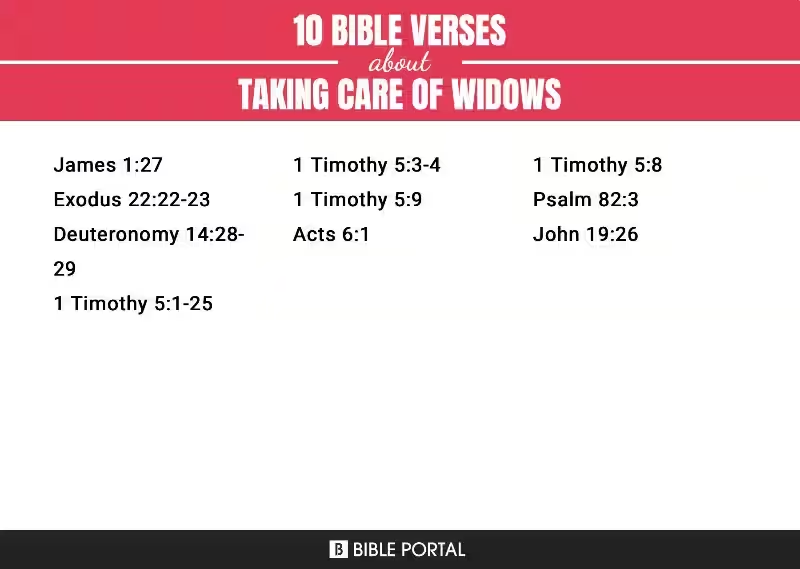
The inherent dignity of every human being is a core belief underpinning many religious traditions, including Christianity. Biblical teachings frequently highlight the importance of recognizing and addressing the needs of the poor, the oppressed, and the marginalized. Exodus 22:22-23, for instance, emphasizes protecting the vulnerable - in this case, orphans and widows - as a critical aspect of justice. This principle extends beyond individual acts of charity; it calls for systemic change that addresses the root causes of inequality. This can include advocating for fair labor practices, access to education, and support systems for those struggling in society.
The Bible doesn't just offer moral pronouncements; it provides a framework for action. Proverbs 31:8-9 speaks of a righteous woman who protects the poor and the needy, highlighting the importance of active involvement in advocating for those who cannot advocate for themselves. This active engagement in social justice is a cornerstone of biblical teachings. It's not enough just to witness suffering; we're called to be instruments of change. This can manifest in many ways, from volunteering at a local food bank to advocating for policies that benefit the disadvantaged.
Examples of social justice issues that resonate with biblical principles include advocating for fair housing, ensuring equal access to education, and combating systemic discrimination. Addressing poverty, ensuring access to healthcare, and promoting economic opportunity are also critical aspects of creating a just and equitable society. These actions are not merely acts of charity; they are expressions of faith in action. Ultimately, applying biblical teachings to the challenges of our time requires a deep understanding of the social context and a commitment to tangible solutions.
Recognizing and Addressing the Needs of the Vulnerable
Identifying the vulnerable in our communities is a crucial first step. Understanding their needs and listening to their voices is paramount. This often requires stepping outside of our comfort zones and venturing into unfamiliar situations. It's about empathy, understanding, and recognizing that each person has a unique story and perspective. A simple example: if you see a child begging for food, don't just dismiss it as a nuisance. Listen to their needs. This compassionate listening is essential to understanding how to best assist them. Matthew 25:31-46 emphasizes the necessity of caring for the marginalized and those in need. Our response should reflect this empathy and a profound recognition of their inherent worth.
Active listening is key to understanding the multifaceted issues faced by the vulnerable. Asking questions and showing genuine concern can help us uncover the root causes of their struggles, facilitating our ability to provide effective support and intervention. Recognizing patterns of systemic injustice is also essential. Often, the most vulnerable people in a society are those who have been marginalized due to bias, prejudice, or societal pressures. Addressing these systemic issues is often more impactful and lasting than simply providing short-term assistance.
Beyond simply providing aid, we must also empower the vulnerable. Empowerment is about fostering self-reliance and independence. This could involve providing educational opportunities, job training, or resources to help individuals build skills and become self-sufficient. This isn't charity; it's recognizing human potential and providing the means to develop it. Giving people the resources to become self-reliant is a powerful act of compassion. Luke 10:30-37 provides insight into the importance of going the extra mile to help those in need, not just giving temporarily. Supporting initiatives that empower individuals and increase their opportunities is critical to long-term positive change.
Consider micro-loans for small businesses, scholarships for education, or mentorship programs as examples of empowering the vulnerable. Often, these programs are not just about financial support; they are about rebuilding dignity and restoring hope. Empowerment creates a ripple effect that positively impacts entire communities. It promotes a sense of self-worth and agency, enabling individuals to overcome adversity and contribute meaningfully to society. Protecting the weak is an ongoing process of action and compassion that requires continuous effort, awareness, and commitment.
Frequently Asked Questions
What Bible verses protect the weak?
There isn't one specific verse that universally "protects" the weak. Instead, numerous verses emphasize compassion, justice, and care for the vulnerable, such as the poor, widows, orphans, and marginalized. Examples include Deuteronomy 10:18, Isaiah 1:17, and Matthew 25:31-46. These verses, and many others, guide believers towards acting justly and mercifully toward those in need.
What is the role of religion in protecting the weak?
Religions often play a crucial role in advocating for and supporting the vulnerable. This can manifest in various ways, including charitable work, social justice initiatives, and providing a framework for ethical behavior that values the dignity and well-being of all people. However, the specific actions and impact vary considerably between religions and individual interpretations.