Marriage, a cornerstone of many societies, is deeply intertwined with religious beliefs, and the Bible, in particular, offers a rich tapestry of guidance on this sacred union. Understanding these biblical laws is not about rigid adherence to ancient rules, but about gleaning timeless wisdom and ethical principles for building healthy and fulfilling marriages today. These principles, when applied thoughtfully, can offer a framework for navigating complex modern relationships and fostering lasting commitment.
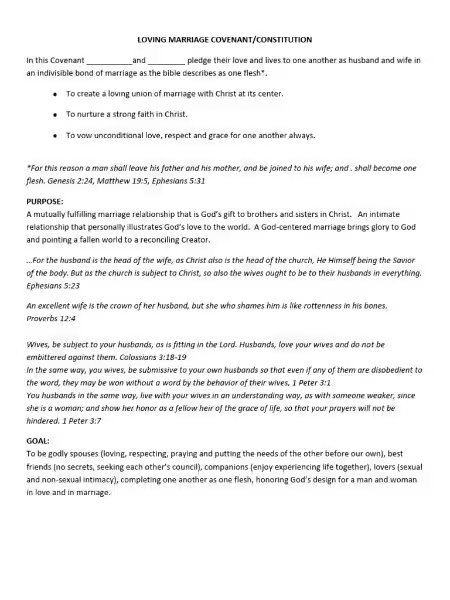
Biblical scriptures often portray marriage as a covenant, a solemn promise between two individuals before God. This covenant is a framework for mutual support, understanding, and lifelong companionship. This understanding extends beyond romantic love to encompass responsibilities and duties. For example, the emphasis on unity and partnership in marriage, seen throughout the biblical narrative, can be applied to contemporary relationships. How do we encourage such strong partnerships in today’s fast-paced world? By creating intentional time to connect, listen, and support each other, mirroring the principles established in the scriptures.
Monogamy, the practice of having only one spouse at a time, is a central theme in biblical teachings. This principle highlights the importance of exclusive commitment and prevents distractions from the primary relationship. While the Bible acknowledges the existence of polygamy in some historical contexts, it predominantly emphasizes the significance of a one-on-one relationship. This emphasis on faithfulness and commitment is crucial for building a secure and loving marriage. Imagine a world where couples are more focused on their commitment to each other rather than external distractions. It could create a world of more harmonious, lasting marriages.
Mutual respect and submission are fundamental principles emphasized within biblical texts. This doesn’t mean one person is superior to the other but rather that each partner recognizes and values the other’s strengths and contributions. Biblical marriage emphasizes that each person plays a vital role in the relationship. Both partners should strive to understand and accommodate the needs of the other, as crucial to creating a balanced and supportive partnership. For example, a husband showing respect to his wife by actively listening to her concerns, and a wife showing deference to her husband by supporting his aspirations, can build a strong foundation for happiness and fulfillment in their marriage.
The Role of Forgiveness and Reconciliation
Forgiveness is a recurring theme in the Bible, and its importance in marriage cannot be overstated. The biblical narrative showcases the nature of reconciliation, particularly regarding shortcomings and conflicts. Biblical scriptures emphasize the necessity for forgiving one another in marriage. This doesn’t imply condoning harmful behaviors, but rather committing to actively seeking reconciliation. Reconciliation is not just about ending a conflict, it’s about repairing the damage and restoring trust. Imagine the impact of forgiveness on a marriage. It could reduce stress, foster deeper intimacy, and create a space for personal growth.
Learning to forgive, even when hurt, is invaluable in maintaining a healthy relationship. Open communication is paramount in this process. Honest dialogue about grievances and a willingness to understand each other’s perspectives are essential. Consider the biblical analogy of a husband and wife as one flesh. This implies a deep connection; when one part suffers, the other also suffers, and when one part thrives, the other thrives. This highlights the importance of empathy and mutual support in resolving conflict within marriage.
Biblical teachings on marriage are not static rules but timeless principles relevant to modern relationships. These principles can be applied to build strong, healthy, and loving marriages. Adapting these principles to the modern context requires thoughtful reflection and consideration of the changing social and cultural landscape. We can benefit from the wisdom of the scriptures by applying its universal principles, such as honesty, commitment, and mutual respect, to our daily lives.
The principles of biblical marriage provide a framework for building lasting relationships. By reflecting on these principles, we can consider how to approach disagreements and challenges within marriage. Honesty, transparency, and a commitment to consistent communication are essential elements in navigating the complexities of modern life together. Ultimately, the goal is to foster a mutually supportive and loving union grounded in faith and respect.
Frequently Asked Questions about Biblical Laws of Marriage
What are the biblical requirements for marriage?
The Bible, particularly the Old and New Testaments, outlines various aspects of marriage. These include fidelity, commitment, procreation, and the importance of a covenant between husband and wife. Specific regulations vary between the Old Testament’s legal framework and the New Testament’s emphasis on Christ’s teachings.
What does the Bible say about divorce?
The Bible’s stance on divorce is complex and often debated. The Old Testament permits divorce under certain circumstances, primarily due to the infidelity of one party. The New Testament emphasizes the sanctity of marriage and discourages divorce, often highlighting Jesus’ teachings on the permanence of the marriage bond.
How does the Bible view marriage between different religious groups?
The Bible doesn’t directly address marriage between individuals of different religious backgrounds. Different interpretations and perspectives exist within various Christian denominations regarding this topic.
What is the biblical view on marriage between same-sex couples?
Interpretations of the Bible’s view on same-sex marriage are diverse and contested. Some interpretations cite passages that seem to condemn same-sex relationships, while others focus on the overarching themes of love, compassion, and the importance of the couple’s relationship.
Does the Bible provide a specific definition of marriage?
The Bible doesn’t offer a single, concise definition of marriage. Instead, it presents various aspects and principles associated with marriage throughout the scriptures, evolving from the Old Testament’s emphasis on legal stipulations to the New Testament’s focus on spiritual aspects of the covenant.