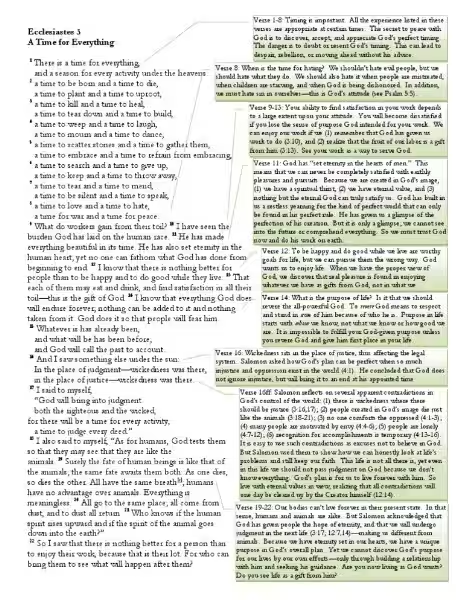
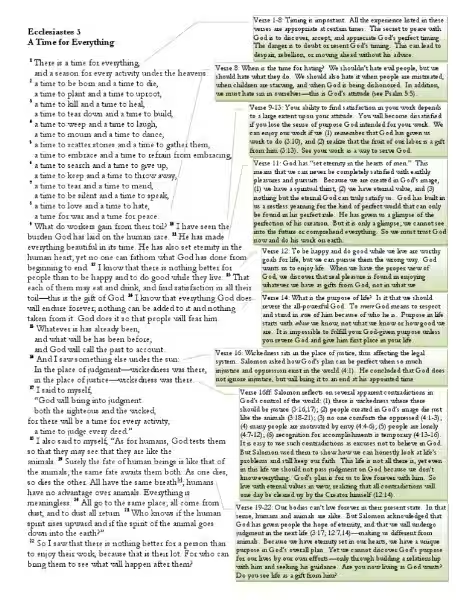
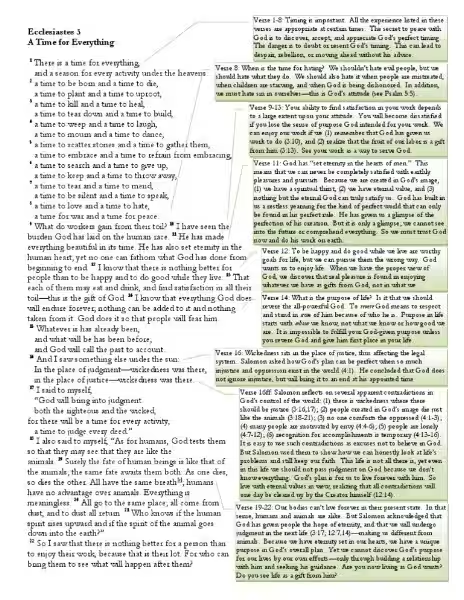
Ecclesiastes 3:11, a foundational verse in the book of Ecclesiastes, speaks to a profoundly human experience: the duality of life’s experiences. This passage, often pondered by religious and philosophical thinkers, delves into the complexities of time, purpose, and the human condition. It reminds us that, amidst the seemingly random nature of life, God has orchestrated a predetermined pattern. This verse isn’t about some dogmatic, inflexible plan; instead, it suggests a cosmic choreography, a beautiful and intricate design where even the seemingly random events contribute to the greater whole.
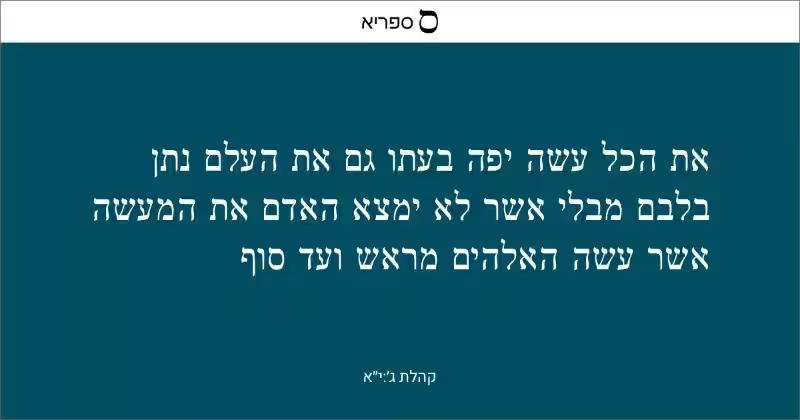
The verse itself states, “He has made everything beautiful in its time.” This understanding is crucial. It isn’t about a utopian future where all is perfect, but rather an acknowledgment that every season, every stage in life, has its own unique beauty. Consider the blooming of a flower. There is a time for the bud, a time for the bloom, and a time for the seed. Each stage contributes to the cycle, and each stage is beautiful in its own unique way. The same principle applies to our own lives – joy, sorrow, triumph, and hardship. They are all parts of the tapestry of existence. It’s about embracing the present moment, recognizing its beauty and worth, acknowledging that even seemingly negative experiences can contribute to the overall richness of our lives.
Ecclesiastes 3:11 encapsulates a fundamental truth about the human experience: time is a defining factor. We are born, we live, we die. This linear progression, while seemingly simple, is profoundly impactful. We might feel like we have all the time in the world, but ultimately, time is a finite resource. This understanding can lead to profound insights about how we approach life. Instead of stressing over the future or dwelling on the past, it encourages us to be present.
Think of a child learning to walk. Each fall, each stumble, contributes to their ultimate ability to walk. It isn’t about avoiding the falls, but about embracing the process. Similarly, life’s challenges, while painful, are opportunities for growth. The verse doesn’t deny the pain, but it emphasizes the beauty and order in the midst of it. It prompts us to reflect: are we truly appreciating the different seasons of life, or are we getting caught up in the anxieties of the future?
The Importance of Perspective
A crucial aspect of Ecclesiastes 3:11 is the reminder to view life with the right perspective. It necessitates a shift in mindset to appreciate and embrace each moment of life’s journey. We sometimes get caught in the trap of focusing on what we perceive as “bad times” – the times of hardship, failure, or loss. These times, however, can be seen as opportunities for growth and resilience. Looking at these times with a broader perspective, acknowledging that “all things have their seasons,” can lead to a more profound understanding of God’s ultimate design. This includes recognizing that our present struggles, as well as past successes, all play a role in shaping us into the people we are meant to be.
Imagine a chef creating a delicious dish. Each ingredient, from the spices to the vegetables, plays a vital part in the final product. Similarly, the joys and hardships of life contribute to the unique flavor of our personal story. We can learn to appreciate the value of every experience, knowing that every moment is part of a larger, divine plan. Recognizing this profound truth can bring peace, solace, and a greater understanding of the human experience. Key elements of this include: acceptance, appreciation, and a renewed sense of purpose.
Frequently Asked Questions about Ecclesiastes 3:11
What does Ecclesiastes 3:11 say?
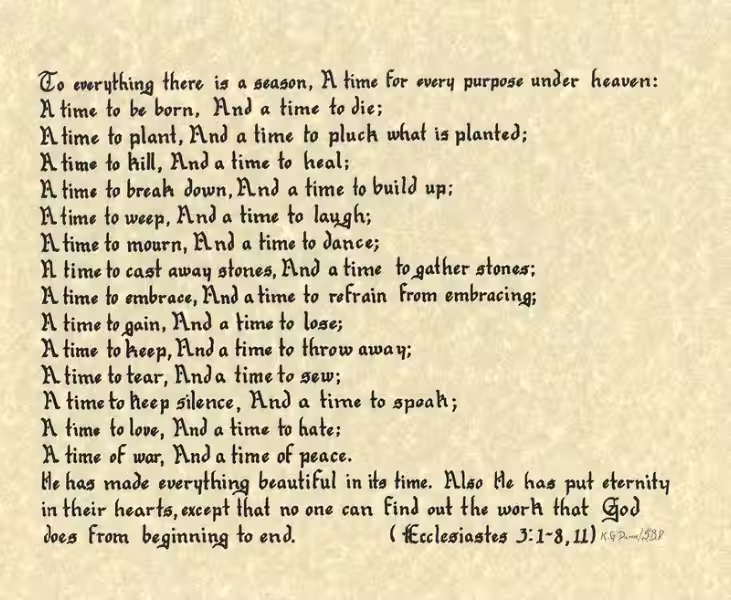
He has made everything beautiful in its time. He has also set eternity in the hearts of men; yet they cannot fathom what God has done from beginning to end.
What is the meaning of Ecclesiastes 3:11 in relation to religion?
This verse highlights the concept of time and purpose within a religious framework. It suggests that God has established a perfect order to all things, even those that might seem chaotic or meaningless to humans. The verse emphasizes the limitations of human understanding in comprehending God’s plan and the grand scheme of existence. It often prompts reflection on the purpose of life and the relationship between human actions and divine design.
How does Ecclesiastes 3:11 relate to the concept of faith?
This passage can be interpreted as encouraging faith in the face of uncertainty. If God has established a perfect order, even in the seemingly random occurrences of life, then trusting in His plan, even when we don’t understand it, is a reasonable response. It encourages patience and acceptance in the midst of life’s complexities.
Does Ecclesiastes 3:11 imply that everything is predetermined?
No, this verse does not imply that everything is predetermined. While it acknowledges God’s design, it also emphasizes the human capacity to find meaning and purpose. The verse acknowledges the limitations of human understanding in grasping the entirety of God’s plan but doesn’t diminish individual agency or free will.
How can I apply Ecclesiastes 3:11 to my daily life?
Applying this verse to daily life might involve accepting that there is a divine order to events, even those that seem random or difficult. It can encourage patience in waiting for answers or outcomes, finding beauty and meaning in different stages of life, and acknowledging the limitations of human understanding when faced with complex situations.