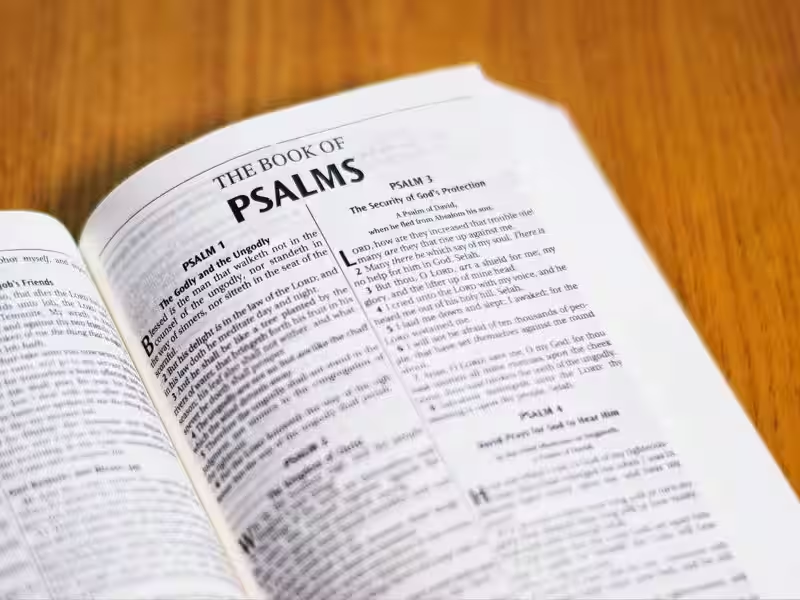
The Psalms, a collection of ancient Hebrew poems, are more than just historical relics. They are a vibrant tapestry woven into the very fabric of the New Testament. These poetic expressions of faith, sorrow, joy, and praise continue to resonate with believers today, offering a profound understanding of the relationship between God and humanity. Understanding the Psalms’ influence in the New Testament helps us appreciate the depth and complexity of the Christian faith.
The New Testament writers didn’t simply quote the Psalms; they deeply internalized their message. Quotes from Psalms are often used to explain, clarify, and give context to events and teachings within the New Testament. This isn’t just about verbatim repetition; it’s about recognizing the themes and sentiments embedded within the Psalms, such as the promise of salvation, the nature of God’s justice, and the reality of human suffering. This profound connection underscores the continued relevance of these ancient texts in understanding the Christian faith today.
The Psalms, composed centuries before Jesus’ arrival, act as a powerful prophecy of the Messiah. They often describe a suffering servant who experiences hardship, persecution, and ultimate triumph. For example, Psalm 22, a powerful expression of anguish, is famously referenced in the New Testament, particularly in the account of Jesus’ crucifixion. The use of these verses provides a historical and spiritual context for the events surrounding Jesus’ death and resurrection.
Furthermore, the Psalmist’s descriptions of God’s unwavering love and justice offer a roadmap for understanding the character of God as revealed in Jesus Christ. These themes of hope, compassion, and redemption in the Psalms are critical to comprehending Jesus’ ministry. Understanding the Psalms’ anticipatory nature allows us to see the fulfillment of prophecies in the New Testament narrative; it’s a beautiful example of how the Old Testament lays the groundwork for the New.
Psalms and the Early Church Community
The Psalms weren’t just a collection of poems for the writers of the New Testament; they were a vital part of the lives of the early Christian communities. Imagine a small gathering, united in prayer, singing and reciting Psalms – this was a common practice. These verses, rich in devotional language and worship, became the soundtrack of their lives, guiding their prayers and shaping their understanding of God.
Imagine the Psalms as a shared prayer book, fostering a sense of unity and belonging amongst believers. The Psalms provided them with a language for expressing their joys, fears, and struggles, echoing the sentiments of the ancient authors. This communal experience with the Psalms became a cornerstone of Christian worship, a tradition that continues to this day. This is why they’re still so significant for the church today.
Psalms: An Unfolding Story of Faith
The Psalms offer a spectrum of human emotions and experiences that resonate deeply with us. From the profound gratitude expressed in Psalm 118 to the lament of Psalm 23 in times of distress, the Psalms encapsulate the complexities of the human spirit. They help us understand that faith is a journey, not a destination.
These poems encapsulate the human experience, a vital element for spiritual connection. A simple example is how Psalm 23, often referred to as the “Shepherd Psalm,” describes God as a caring and comforting shepherd. This image can provide comfort and reassurance during difficult moments. The Psalms provide practical and relatable examples of how to approach God in times of both joy and hardship. They offer a common language for expressing our faith and navigating life’s challenges.
Psalms: A Call to Action
The Psalms are not just about expressing emotion; they are also about taking action. Psalms often include directives, challenges and calls to action in relation to living a righteous life. For example, Psalm 15 outlines the qualities of a person pleasing to God. This emphasis on righteous living provides a guide for those seeking a deeper relationship with God.
The Psalms aren’t just words; they are powerful tools for personal growth. By studying them, we can develop our own understanding of God and our place in the world. The Psalms remind us that our struggles and joys are not isolated but are part of a larger story of faith, resilience, and hope. We are not alone in our experiences, both of joy and hardship.
Frequently Asked Questions about Psalms in the New Testament
What are the Psalms?
The Psalms are a collection of 150 poetic hymns and prayers in the Hebrew Bible (Old Testament). They express a wide range of human emotions and experiences, including praise, lament, thanksgiving, and repentance.
Are Psalms used in the New Testament?
Yes, passages from the Psalms are quoted and alluded to throughout the New Testament. They are used to illustrate and interpret events and figures in the New Testament narrative.
Illustrate Christ’s life and ministry: Jesus and the apostles frequently quote or allude to Psalms to explain or apply Old Testament prophecies to their own circumstances.
Explain the nature of God: The Psalms reveal God’s character and attributes, which are consistent themes throughout the New Testament.
Guide Christian prayer and worship: The Psalms continue to serve as a model for prayer and worship in the Christian tradition.
Interpret the Church’s experience: The Psalms offer a framework for understanding the struggles and triumphs of the Christian community.
Why are Psalms important in Christianity?
The Psalms offer a rich and diverse collection of spiritual songs that span the human experience. They provide a powerful link between the Old and New Testaments, highlighting the continuity of God’s covenant and the ongoing relationship between humanity and the divine. They serve as a source of inspiration, comfort, and guidance for Christians throughout history.
Are there any disagreements about the use or interpretation of Psalms in Christianity?
While the Psalms are a cornerstone of Christian faith, differing interpretations and applications can occur. Various denominations or theological perspectives may emphasize specific aspects or themes within the Psalms.