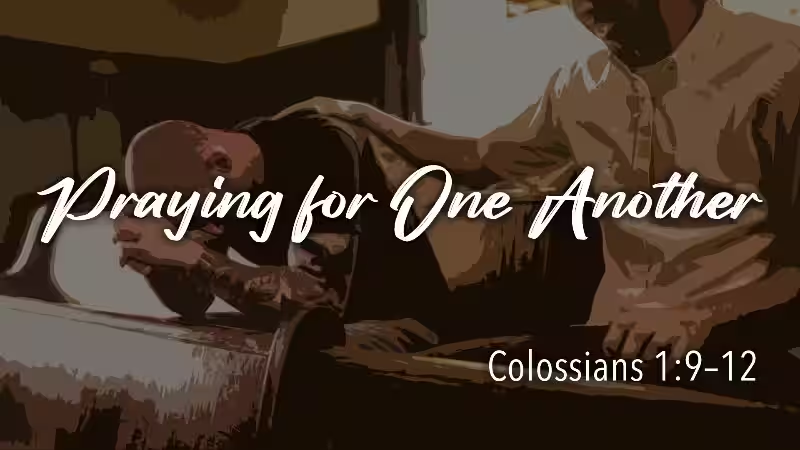
Prayer, a fundamental aspect of faith, encompasses much more than simply asking for personal needs. The Bible overflows with passages highlighting the profound importance of praying for others. This isn’t just a suggestion; it’s a crucial component of Christian living. It’s a reflection of our interconnectedness, our love for others, and our recognition of a greater power at work in the world. We are called to be a supportive community, lifting each other up through prayer, and this article will explore this vital aspect of faith.
Imagine a world where everyone felt isolated and unsupported. Prayer for others bridges this gap, offering comfort and strength in times of trouble. This interconnectedness, this sense of community, is a beautiful picture painted by the Bible. It’s about recognizing our shared humanity and acknowledging that our actions, even prayer, can have a substantial impact on the lives of those around us. It’s about acknowledging that we are all part of a larger, interconnected story.
The Bible consistently promotes the practice of praying for others. From the Old Testament, where individuals like Daniel prayed for repentance and guidance, to the New Testament, where Jesus Christ emphasized the power of prayer, the theme is clear. Praying for others demonstrates our care and concern for their well-being. Intercessory prayer, the act of praying on behalf of another, is a powerful way to show love and support. Think of it as a heartfelt concern, a genuine care for the well-being of someone else, expressed through prayer.
Consider the concept of a family. In a family, members support each other through thick and thin. Praying for family members, friends, and even strangers, reflects this same supportive spirit. The Bible doesn’t just tell us to pray; it encourages us to pray with passion and persistence. It also emphasizes the critical role of faith in our prayers. When we pray for others, we are exercising our faith and trusting in God’s plan.
Praying for Healing and Deliverance
The Bible contains numerous examples of people praying for healing and deliverance for themselves and others. Jesus himself performed miracles, including healings, and encouraged disciples to pray for those in need. This highlights the power of faith-filled prayer. Praying for healing isn’t about replacing medical care; it’s about adding faith and hope to the situation. Examples include the stories of the sick being healed through prayer, demonstrating the potential of intercessory prayer to bring about positive change.
Consider a friend who is battling an illness. Praying for their healing, alongside support and care, can provide a source of strength and hope. This type of prayer isn’t about demanding a specific outcome, but rather expressing faith and trust in God’s plan. It also represents a genuine concern for the well-being of another individual. Praying for others in times of adversity is an act of love and compassion.
Praying for Spiritual Growth and Guidance
The Bible underscores the importance of praying for spiritual growth and guidance for ourselves and others. We see this throughout the New Testament, where believers prayed for one another’s development in faith. This includes asking God to strengthen their relationship with Him, increase their wisdom, and give them clarity and direction. This is similar to how we might encourage a friend or family member to pursue their goals or dreams.
Praying for someone’s spiritual growth is like cheering them on in their journey of faith. It’s about offering support and encouragement, recognizing that their spiritual growth is a journey that needs nurturing. By praying for their spiritual development, we are essentially offering to walk alongside them on this path and pray for their continued growth and knowledge of God.
Conclusion: A Call to Prayer
The Bible’s message about praying for each other is a powerful one, emphasizing the importance of community and care. It’s about recognizing that we are all interconnected and that our prayers can make a tangible difference in the lives of others. We see this in examples of individuals praying for their families and friends, and how these prayers often resulted in positive outcomes. This is not about manipulation or control, but about expressing faith, love, and care for those around us. It is a testament to the power of prayer as a force for good.
Ultimately, praying for others is a powerful act of faith, love, and compassion. It’s a way of showing our support for those around us and recognizing that we’re all part of a larger, interconnected community. By praying for one another, we express our faith, love, and care in a way that strengthens our relationships and brings hope into the world. So, let’s embrace this call to prayer, lifting each other up in our prayers and recognizing the profound impact we can have on the lives of others.
Frequently Asked Questions
What does the Bible say about praying for each other?
The Bible frequently emphasizes the importance of praying for one another. James 5:16 encourages confessing sins to one another and praying for each other, highlighting the powerful effect of communal prayer. Many passages throughout the New Testament, like Matthew 18:19, demonstrate the necessity of intercessory prayer for those who are struggling. The Bible also emphasizes the power of faith-filled prayer (Mark 11:24) and the importance of seeking God’s will in prayer (John 15:7).
Religion encompasses a wide range of beliefs and practices concerning the supernatural, the divine, and the spiritual. It typically involves a set of principles, rituals, and values that guide individuals’ lives and connect them to something beyond the material world. Religious traditions often provide frameworks for understanding the meaning of life, death, and the universe. Different religions vary greatly in their specific doctrines, practices, and historical contexts.