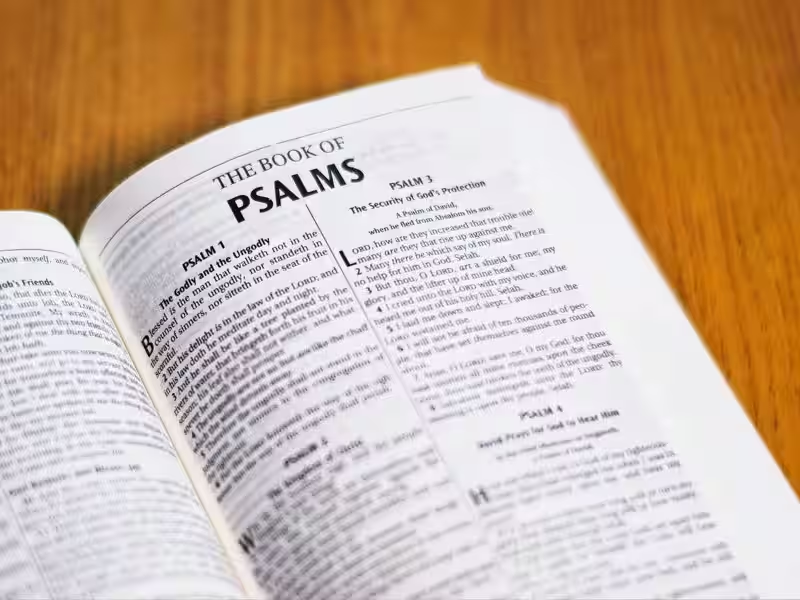
The Psalms: A Timeless Tapestry Woven into the New Testament
The Psalms: A Timeless Tapestry Woven into the New Testament
The Psalms, a collection of 150 poetic hymns, prayers, and songs, form a cornerstone of Jewish and Christian faith. They're renowned for their profound expressions of human emotions – joy, sorrow, anger, and hope. More than just beautiful poetry, these ancient texts offer a rich tapestry of themes that resonate deeply with modern readers. They explore the complexities of human experience and provide a framework for understanding the divine.
Surprisingly, the Psalms aren't merely relegated to the Old Testament. Instead, they serve as a powerful undercurrent in the New Testament, repeatedly invoked and interpreted in profound ways. This isn't just a matter of historical context; it’s about the continuous relevance of these ancient texts in navigating faith and life's challenges throughout time. Understanding these allusions provides a deeper, richer understanding of the New Testament, allowing us to see the connection between the past and the present, and how the divine message continues to evolve.
Many scholars and theologians point to the Psalms as prophetic foreshadowings of Jesus Christ. These poems offer profound glimpses into the future, hinting at a coming savior, a messiah. For instance, some Psalms speak of a suffering servant, a figure who would endure hardship and ultimately redeem humanity. These verses anticipated the life of Christ, and the events surrounding his ministry. The themes of sacrifice, redemption, and the nature of God were all prominent in the Psalms, finding their fulfillment in the New Testament narratives.
Think of the Psalm that describes a shepherd, a powerful metaphor for the role of Jesus as the Good Shepherd. Or the Psalms that express longing for God's presence and guidance. This yearning, found in the Psalms, was echoed in the gospel accounts of Jesus’s life and ministry, demonstrating the continuity of the divine message across time. The Psalms provide a crucial framework for understanding the context of Jesus's actions and teachings. Examples include the use of Psalms in Jesus's interactions with the Pharisees and the way he interpreted the scriptures for them, showing the importance of the Psalms in shaping his teachings.
The Psalms in the Life of the Early Church
The Psalms played a vital role in the lives of the early Christians. Imagine small gatherings of believers, their lives profoundly affected by the events of Jesus's life and teachings. These gatherings likely included Psalms sung or recited, often accompanied by instruments. These were the foundations of their communal worship. Understanding the Psalms, therefore, provided a deep well of inspiration and direction in their faith journey, strengthening their beliefs and offering solace in the face of challenges.
Furthermore, the Psalms were used in prayer and praise, providing a foundation for their spiritual growth. They offered a framework for contemplating their relationship with God. The Psalms became a language of faith, allowing believers to express their desires, anxieties, and hopes to God, using verses and ideas from them in their prayers. For example, the Psalms provided solace to believers facing persecution and hardship, offering a framework for endurance and trust in God's plan. These texts were deeply involved in their daily spiritual lives.
The Psalms: Contemporary Relevance and Application
The Psalms remain a profoundly relevant resource for Christians today. We can use them as powerful tools for prayer, meditation, and personal growth. Their poetic language and profound insights into the human condition can help us to better understand ourselves and our place in the world. Think of times when you feel overwhelmed or hopeless – the Psalms offer a powerful repository of comfort, guidance, and strength. Facing challenges like grief, loss, or fear, these ancient texts offer a comforting presence in modern times.
The Psalms are far more than just historical relics. They are a powerful guide for navigating the complexities of life. They offer a wealth of wisdom and inspiration, reminding us of the importance of faith, hope, and love. We can find specific Psalms that resonate with our personal circumstances, and draw strength and guidance from those verses. The Psalms offer a profound framework for understanding faith, life, and the divine. The examples are countless, demonstrating the enduring power of these texts.
Frequently Asked Questions about the Psalms in the New Testament and Religion
What are the Psalms?
The Psalms are a collection of religious poems and hymns primarily found in the Book of Psalms of the Hebrew Bible. They express a wide range of human emotions and experiences related to faith, worship, and relationship with God.
Where are the Psalms used in the New Testament?
While not directly part of the New Testament itself, the Psalms are frequently cited and referenced throughout the New Testament. Jesus and the disciples often quoted or alluded to Psalms, using them to illustrate theological concepts, prophecies, or to express their own experiences.
How are the Psalms relevant to Christianity today?
The Psalms continue to be a source of comfort, inspiration, and guidance for Christians today. They provide a powerful framework for prayer, praise, and reflection on various aspects of faith.
Are the Psalms only for Jewish people?
No, the Psalms' message of faith, hope, and longing for a relationship with God transcends religious boundaries and are meaningful to people of various faiths and backgrounds.
What is the significance of the Psalms in Christianity?
The Psalms are an integral part of the Christian tradition. They serve as a model for prayer, worship, and expressing emotions related to faith. Many Christians find solace in the Psalms’ expressions of joy, sorrow, and trust in God.