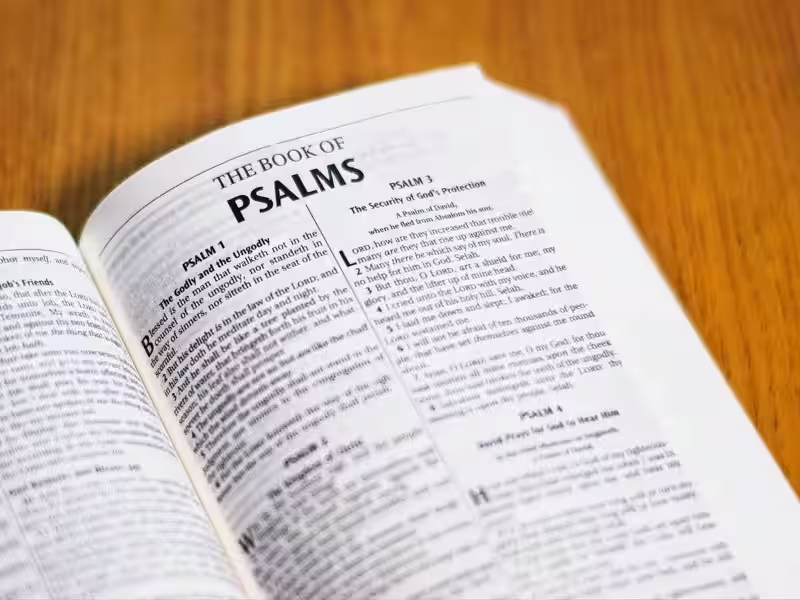
The Libros de los Salmos, or Psalms, are a collection of 150 poetic hymns and prayers in the Hebrew Bible. These powerful texts, offering a profound connection with the divine, are a cornerstone of Jewish and Christian faith. They’re more than just religious texts; they’re a window into the human experience, capturing a wide range of emotions – joy, sorrow, anger, gratitude, and hope. Understanding their depth and beauty unlocks a richer appreciation for these ancient spiritual treasures.
The Psalms are an incredible trove of wisdom and offer a consistent reminder of the importance of faith in the face of adversity. They are a reflection of the human spirit, expressing a range of emotions. For example, Psalm 23, a well-known psalm, provides a beautiful metaphor for God’s protection and care. This makes the Libros de los Salmos incredibly relatable; they’re not just ancient texts, but echoes of the human heart echoing through the ages. They offer a powerful, comforting presence when confronted with personal trials.
Understanding the Structure and Themes of the Psalms
The Libros de los Salmos aren’t a monolithic work; they’re a diverse collection reflecting different historical periods and poetic styles. A key aspect is their varied structure. Some psalms are structured as lyrical poems, others as impassioned pleas, and some as reflections on God’s justice. This variety in structure adds to their richness, making them accessible to a wide range of readers and allowing for various interpretations. Knowing this structure helps understand the themes reflected in each psalm.
Many Psalms explore common human themes. Thanksgiving, lament, and praise are recurrent motifs. For example, Psalms of thanksgiving express gratitude for God’s blessings, while lament psalms express sorrow and seek solace during difficult times. Understanding these themes is key to appreciating the depth of the Libros de los Salmos, allowing one to connect with the emotions and experiences expressed within them. Examples include Psalms of praise, which celebrate God’s glory and power, and Psalms of lament, which express anguish and seek God’s comfort. Understanding these different kinds of psalms deepens one’s understanding of the human spirit’s relationship with the divine.
The Psalms in Modern Life
The Libros de los Salmos are not limited to historical context. They offer invaluable spiritual guidance in modern life. Their wisdom can be applied to everyday challenges. Facing adversity, feeling lost, or simply needing comfort and guidance, turning to the Psalms can provide solace and a renewed perspective. The words resonate with universal experiences, providing a sense of belonging and shared humanity.
Many people find comfort and inspiration in the Psalms because they offer a direct connection to the divine. For example, reading a psalm of lament can help one process grief, while a psalm of praise can inspire a sense of hope and joy. The Libros de los Salmos, thus, transcends time and location, connecting individuals with a timeless source of spiritual strength and wisdom. This is often achieved through personal reflection on the verses and drawing on the wisdom they offer. This personal connection makes the Psalms a powerful resource for spiritual growth and deepening faith.
Engaging with the Libros de los Salmos doesn’t have to be daunting. Here are some practical ways to incorporate them into your life: Start with a few psalms each day. Meditate on the verses. Reflect on how the words resonate with your own experiences. You can even try to connect the emotions expressed in the psalms with your own emotions and experiences. Think about how the themes of the psalms can uplift, encourage, and guide you.
Consider these steps: Find a translation of the Psalms that resonates with you. Look for psalms that address specific emotions or situations you’re facing. Use the psalms as prompts for journaling or prayer. There are many resources available – books, commentaries, and online materials – that can help you understand the psalms better. Using these methods can provide a personal connection with these ancient texts, allowing you to reap the profound benefits of their wisdom and experience. Guided meditations and group discussions can make engaging with the psalms more collaborative and insightful.
Frequently Asked Questions about the Book of Psalms
What is the Book of Psalms?
The Book of Psalms, also known as Psalter, is a collection of 150 poems and hymns primarily used in Jewish and Christian worship. It’s a diverse collection of prayers, praises, laments, and reflections on life’s experiences.
What is the Book of Psalms about?
The Psalms cover a wide range of emotions and experiences, from joy and gratitude to sorrow and despair. They touch on topics like God’s nature, human nature, justice, suffering, and the relationship between God and humanity. They offer a glimpse into the human heart as it interacts with the divine.
The authorship of the Psalms is attributed to various individuals, including David, Moses, Asaph, and others. While some psalms are clearly attributed, the majority are anonymous.
What is the significance of the Book of Psalms in different religions?
The Book of Psalms holds significant importance in both Judaism and Christianity. Jewish tradition uses the Psalms in prayer and liturgy, while Christians often use them for personal reflection, worship, and meditation.
How can I use the Book of Psalms in my personal life?
The Psalms can be a powerful tool for personal reflection and prayer. You can use them to express your feelings, seek guidance, and connect with the divine. Reading and meditating on the Psalms can deepen your spiritual life and provide comfort during challenging times.