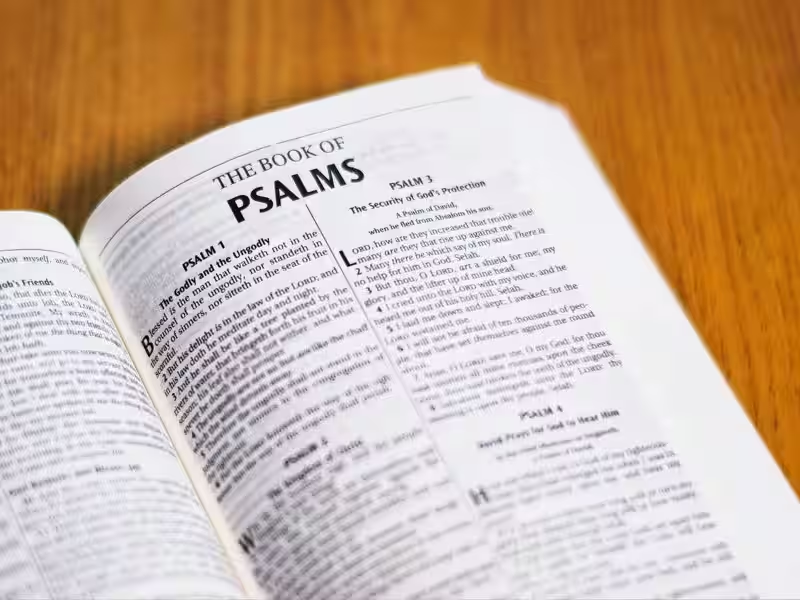
The Psalms, a collection of 150 poetic hymns and prayers, offer a profound wellspring of wisdom and solace. Written centuries ago, these verses resonate with individuals across generations, offering timeless guidance and comfort in the face of life’s challenges. Understanding the Psalms allows us to tap into a rich tradition of faith and connect with a shared human experience of joy, sorrow, and everything in between.
Many people find the Psalms helpful in navigating their daily lives. They can be a source of inspiration, strength, and hope, offering a framework for prayer, meditation, and self-reflection. For example, if feeling overwhelmed, a Psalm like Psalm 23, known as the Shepherd Psalm, can provide comfort and reassurance. This psalm reminds us that even in times of hardship, we are protected and guided by a loving presence.
The Psalms aren’t just about one thing; they delve into a wide range of human emotions and experiences. From heartfelt praise and adoration to lament and despair, the Psalms encompass the full spectrum of the human condition. They reveal the universality of our struggles with faith and doubt, our joys and sorrows, and our hopes for the future. These themes include:
Praise and Thanksgiving: Expressing gratitude and adoration for God’s goodness.
Lament and Suffering: Confessing pain and seeking divine intervention in times of trouble. Psalm 13 is an example of a lament.
Wisdom and Guidance: Seeking God’s wisdom and direction in life’s decisions.
Royal Psalms: Psalms praising God’s kingship and power.
Each Psalm offers a unique perspective. For instance, Psalm 90, a psalm of reflection, offers a profound perspective on time and mortality, prompting self-awareness and a deeper understanding of our place in the world and the importance of valuing every moment. This is one way the Psalms offer more than just words; they encourage introspection and spiritual growth.
Connecting with the Psalms in Your Daily Life
Integrating the Psalms into your daily life can significantly enhance your spiritual journey. Meditation, reflection, and even simply reading a Psalm aloud can be powerful tools for connecting with the divine and finding inner peace. Think about incorporating a Psalm into your daily routine, like choosing a Psalm to read at the start of the day or before bed.
You can also use the Psalms to respond to specific situations. If facing a challenge, consider the Psalms that express hope, strength, and resilience. For example, Psalm 118, a song of praise, offers encouragement and strength in the midst of difficulty. Another way to connect is by using them as a source of inspiration for your own prayers.
Choosing a Psalm for the Day: A Practical Guide
Choosing a Psalm for the day can be as simple as opening the book of Psalms at random or choosing one based on your current mood or the situation you’re facing. Reflection is key during this process. Consider what aspect of life you’re grappling with as you read a selection. Is it fear, gratitude, or frustration? Choose a Psalm that reflects your emotions and needs.
A helpful approach is to select a Psalm based on a current need. If you’re feeling anxious, a Psalm expressing serenity and trust in God might be beneficial. If experiencing gratitude, a Psalm expressing praise and thanks will resonate deeply. For instance, Psalms of lament provide solace during times of grief or suffering. Choosing a Psalm that speaks to you personally can enhance your connection to its message.
Making the Psalms a Part of Your Spiritual Practice
Integrating the Psalms into your spiritual practice can be profoundly impactful. You can use them as a framework for prayer, meditation, or simply as a source of inspiration and wisdom. Start small, maybe reading a Psalm each morning or evening, or incorporate them into your prayer and meditation routines.
Reading the Psalms regularly can foster a deeper relationship with God and create a more mindful and meaningful life. This process is not about rote memorization or strict adherence to a specific practice. Allow yourself to be open to the message and let your personal connection with the Psalms deepen. A wonderful example is using Psalms as a basis for creative expression – poetry, song, or even artwork. This can be a beautiful way to engage with the Psalms’ beauty and message on a deeper emotional level.
Frequently Asked Questions
What is Psalm for the Day?
Psalm for the Day is a daily selection of a Psalm from the Book of Psalms in the Bible. Different denominations and faiths have varying traditions regarding which Psalm is chosen for a given day.
Why are Psalms important in religion?
Psalms are poetic prayers and hymns, often expressing a wide range of human emotions and experiences in relation to God. They are important for their historical and theological significance as well as their continued personal use in prayer and worship.
How can I find a Psalm for today?
Many websites and apps provide daily Psalm selections. You can also find them in many Christian Bibles and prayer books.
What if I don’t know anything about the Psalms?
That’s perfectly fine! The Psalms are rich in imagery and a powerful source of comfort, reflection, and connection to the divine, regardless of prior knowledge.
What are some different denominations or faiths and their traditions for choosing Psalms?
Different denominations and faith traditions may have different ways of choosing a Psalm for a particular day. Some use a pre-set liturgical calendar; others may allow individual or communal selection.