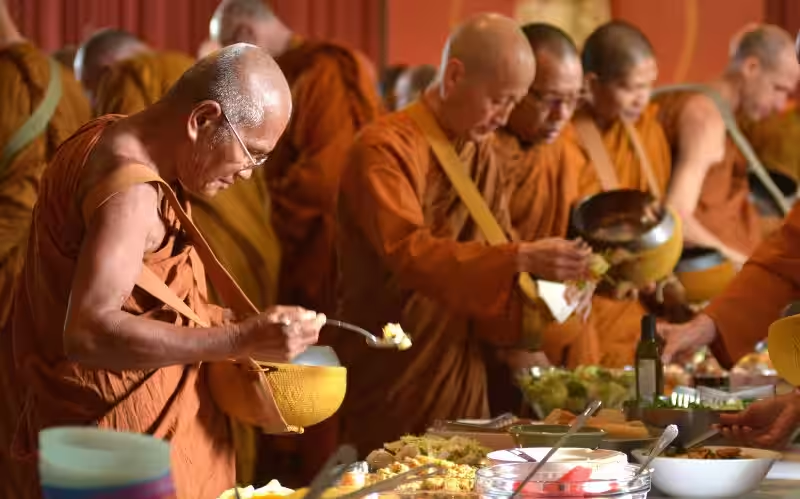
Throughout history, and across cultures, meal offerings have played a vital role in religious practices. More than just sustenance, these offerings often represent a profound connection between the human and the divine. They symbolize gratitude, respect, and a desire for a harmonious relationship with the spiritual realm. Ritualistic meal offerings are deeply embedded in our shared human experience, transcending geographical boundaries and religious persuasions.
The act of preparing and sharing a meal isn’t merely a practical need; it can be a sacred act. For many, the meticulous preparation of a special meal offering mirrors the meticulous care needed to maintain a harmonious connection with the divine. Food often holds symbolic value, representing abundance, prosperity, and the life-giving forces of nature. Different cultures employ different types of food as offerings. For example, in some traditions, grains represent sustenance, while in others, meat may symbolize strength and sacrifice. Each offering carries its own unique meaning.
Understanding the Motivations Behind Meal Offerings
The motivations behind meal offerings are multifaceted and deeply rooted in human psychology. Gratitude is a powerful motivator; many see offerings as a way to express thanks for blessings received. This could range from a simple harvest offering to a substantial feast dedicated to a deity. Seeking divine favour is another common motivation. Many believe offerings appease the gods, fostering a positive relationship and potentially bringing good fortune. In some cases, meal offerings are seen as a way to seek healing, protection, or wisdom from a higher power.
These offerings are often accompanied by specific rituals and prayers. For instance, a common ritual might involve carefully placing the offering at a designated location within a temple or sacred space. These practices often involve specific prayers or chants, which further enhance the connection between the offerer and the deity. Sharing the meal with others, in some traditions, can symbolize a connection between the human community and the divine. For example, in some Indigenous cultures, communal meals following an offering ceremony mark a time to strengthen social bonds and reinforce collective identity.
Different Forms and Interpretations of Meal Offerings
Meal offerings manifest in various forms across different religions. In some traditions, simple grains and water may be sufficient. Other traditions necessitate elaborate meals that include numerous items, each with specific symbolism. Some examples include: fruit offerings, flower offerings, and animal sacrifices (though animal sacrifices are far less prevalent today). The specifics of the offering often depend on the specific deity, tradition, and circumstances.
These symbolic acts can be interpreted in diverse ways. In some instances, the offering is seen as a complete offering, meaning the entire meal is presented to the deity. In other traditions, individual portions or specific elements of the meal are dedicated to the deity. Moreover, there are variations in the timing and frequency of offerings, reflecting the specific needs and beliefs of the community. For example, daily offerings may be more frequent than seasonal offerings, mirroring the perceived needs of the deity or the needs of the community.
The Impact of Meal Offerings on Community and Identity
Meal offerings play a critical role in fostering community and identity. Shared meals are often integral parts of religious ceremonies. These communal meals provide a space for individuals to come together, share stories, and reinforce their sense of belonging. These meal offerings also strengthen the social fabric of religious communities. The preparation and sharing of food often involve meticulous attention to detail and shared effort. This collaborative aspect creates a sense of unity and shared purpose within the community.
Cultural identity is closely tied to the type of food offered. The selection of ingredients, the preparation methods, and the way the meal is presented all contribute to a sense of shared heritage. For example, the types of food used in a particular religious ceremony can reflect the region’s agricultural traditions or available resources for those offerings. The meal’s preparation often involves intricate cultural practices passed down through generations. These practices are an important aspect of religious identity for those involved.
Frequently Asked Questions
What meals are offered?
We offer a variety of meals, including vegetarian, vegan, and meat options. Please check our daily menu for specific offerings.
What are your religious accommodations?
We strive to be inclusive and accommodating. Please inform us of any dietary restrictions or religious needs when placing your order, and we will do our best to accommodate them.