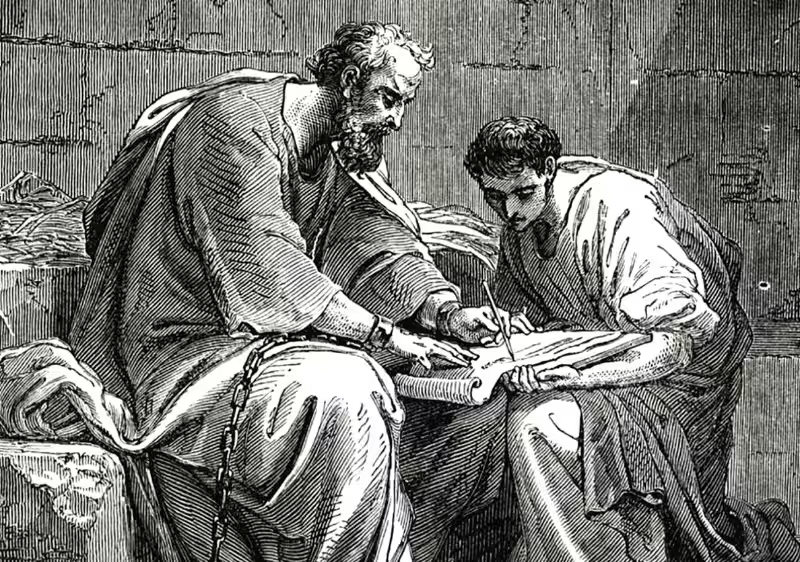
The concept of dedicated institutions for training prophets, or spiritual leaders, has existed in various forms across cultures and religions. These schools, whether formally structured or informally transmitted through mentorship, played a crucial role in shaping the understanding and practice of faith. Learning and discipleship were often intertwined, with the practical application of teachings taking center stage. Think of the disciples of Jesus, gathered around him, or the scholars of the Quranic schools, diligently studying the scriptures. These examples illustrate the importance of hands-on learning in developing spiritual leaders.
While the specific structures and methodologies varied significantly, these schools often emphasized moral development, intellectual rigor, and spiritual discipline. These elements were fundamental to cultivating individuals capable of interpreting divine messages and guiding communities. For instance, the rabbinical schools of ancient Judaism provided a framework for understanding and applying Jewish law. Community involvement was also integral in many cases, with prophets often expected to serve the needs of those around them demonstrating a profound connection between faith and social responsibility.
Schools for prophets weren’t solely places for rote memorization of scriptures. Instead, they fostered critical thinking, empathy, and a deep understanding of the human condition. Imagine a student not just reciting prayers, but also actively engaging with the social and ethical dilemmas within their community. This active learning helped cultivate the empathy and wisdom needed to serve as effective spiritual leaders. Empathy and understanding were essential elements of their training. They learned to connect with the suffering and joy of others and use this understanding to guide their actions.
These educational institutions also fulfilled crucial social functions. They served as centers of learning and cultural exchange. Students from various backgrounds would gather, sharing knowledge and fostering a sense of community. These schools often preserved and disseminated religious traditions and philosophies. Think of the spread of Buddhist teachings through monastic schools or the dissemination of Islamic knowledge in madrasas. This exchange of ideas was crucial to the evolution of religious thought and practice.
The Importance of Practice and Discipleship
A vital aspect of these schools was the emphasis on practice, mentorship, and discipleship. Prophets weren’t just taught about faith; they were guided in applying its principles to their lives. This often involved intense study, prayer, and meditation. Think of the long hours spent in prayer and reflection by monastic orders, or the rigorous training undergone by apprentices in Sufi orders. This focus on practical application prepared them to address the complexities and challenges of a community.
Discipleship played a key role, with a senior prophet often guiding and mentoring junior ones. The mentoring process was more than just instruction; it included observation, emulation, and the sharing of experiences. This mentorship ensured the passing down of spiritual knowledge and wisdom, creating a continued line of spiritual leadership. Crucially, it also fostered a deep understanding of religious history and tradition, allowing the next generation of spiritual leaders to build upon existing knowledge.
The Legacy of Schools for Prophets
The legacy of these schools for prophets is significant, extending far beyond the historical context in which they flourished. These institutions shaped religious identity and cultural norms across vast stretches of time and geography. The institutions helped define the role and responsibilities of prophetic figures within different societies. By providing a framework for education, they fostered critical thinking and a commitment to service. They also served as forums for debates and dialogues, helping shape religious traditions through the centuries.
Even today, the principles of these schools resonate. The emphasis on moral development, critical thinking, and practical application of religious teachings remain essential for individuals striving to find meaning and purpose. Examples of how we can see this in action? Many religious communities today maintain mentorship programs, study groups, and spiritual retreats. These modern institutions continue to foster these same values, carrying on the legacy of schools for prophets across generations.
Frequently Asked Questions
What are schools for prophets?
There aren’t established schools specifically for prophets in any major religion. Prophets are typically individuals chosen by a divine power, often with no formal training or education.
What is religion?
Religion is a collection of beliefs, cultural systems of behaviors and worldviews that relate humanity to spirituality and moral values.