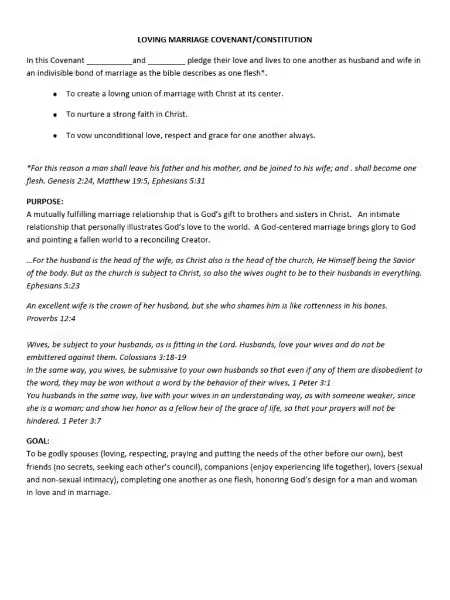
In numerous faiths, the concept of marriage transcends a mere legal contract; it becomes a sacred covenant, a promise between two individuals interwoven with a higher power. This profound understanding of marriage emphasizes mutual commitment, respect, and shared responsibility. Religious frameworks often portray the marriage covenant as a symbol of the relationship between God and humanity, mirroring the enduring love and faithfulness of the divine. This article explores the depth and significance of the marriage covenant, drawing insights from various religious traditions. For instance, in Christianity, the marriage covenant is often seen as a representation of Christ’s relationship with the Church.
Beyond the symbolic, the marriage covenant fosters a profound sense of purpose and belonging. It creates a structured environment for raising families, sharing life’s joys and sorrows, and offering unwavering support. The covenant is a living testament to the promise of lifelong commitment. It empowers individuals to navigate the complexities of life together, fostering a supportive network of shared experiences. It is a commitment that often stretches through challenging times, shaping the individual and the family unit. This is particularly relevant in times of adversity when the commitment of the covenant can strengthen the bond within the couple.
Navigating Challenges Within the Marriage Covenant
Life inevitably throws curveballs, and the marriage covenant isn’t immune to these challenges. Disagreements, financial strains, and personal crises can threaten the very foundation of the relationship. However, understanding the marriage covenant as a dynamic, ongoing agreement, not a static ideal, is crucial. Open communication, forgiveness, and a willingness to work through difficulties are essential elements for maintaining the covenant’s integrity. For example, couples might agree on specific strategies for handling disagreements, like scheduled time for conflict resolution, or active listening sessions.
Religious traditions often offer guidance for navigating these challenges. Many emphasize the importance of prayer, seeking counsel from religious leaders, and engaging in spiritual practices to strengthen the marriage covenant. A common theme is the need for humility and empathy. For example, couples might use mediation techniques to resolve conflicts, seeking guidance from spiritual mentors who can help foster understanding and maintain a sense of peace and calm. These methods can often foster a more resilient and enduring marriage covenant.
The Role of Religion in Strengthening the Covenant
Religious faith can provide a robust framework for strengthening the marriage covenant. Shared beliefs and spiritual practices offer couples a common ground for understanding and mutual support. Religious communities often provide a network of support, offering guidance and encouragement. Many religious traditions offer specific rituals and ceremonies that mark significant milestones in a marriage, reinforcing the covenant’s importance. A few examples include wedding ceremonies, marriage counseling, and communal worship.
Religious teachings often emphasize the importance of forgiveness, compassion, and selfless love. These tenets can be instrumental in addressing conflicts and misunderstandings, sustaining a meaningful marriage covenant. Furthermore, religious communities can serve as a source of strength and support, providing opportunities for fellowship and encouragement. For instance, some faiths offer pre-marriage counseling or support groups to help couples establish a strong foundation for their marriage covenant. These communities can provide a network of trusted individuals ready to offer assistance and guidance, thereby ensuring a smooth transition into marriage.
The Marriage Covenant and Personal Growth
The marriage covenant isn’t simply about fulfilling obligations; it’s an opportunity for personal growth and spiritual development. It requires a continuous commitment to self-improvement and a willingness to see one’s partner as a fellow traveler on the journey of life. Learning to adapt, compromise, and forgive are essential ingredients in nurturing a healthy covenant. This often involves understanding one’s individual strengths and weaknesses, as well as those of one’s partner, as well as an understanding of how these influence the relationship.
Embracing differences can enrich the relationship, fostering a dynamic and exciting experience in the marriage covenant. The marriage covenant can become a fertile ground for spiritual exploration and growth. For example, couples might participate in meditation or prayer together, engaging in deep conversations about their faith or spiritual beliefs. This shared exploration often promotes mutual understanding and respect, further strengthening the bond within the marriage covenant. Ultimately, the marriage covenant becomes a conduit for personal and spiritual advancement.
Conclusion: A Lifelong Journey
The marriage covenant, viewed through a religious lens, is not merely a formality; it is a profound commitment to lifelong growth and shared purpose. It requires constant effort, unwavering support, and a willingness to navigate the inevitable challenges that life throws our way. Ultimately, a strong marriage covenant, grounded in religious principles, can provide a solid foundation for a fulfilling and meaningful life. Couples must be prepared for the spiritual and emotional work that is often required to maintain and strengthen a marriage covenant.
The marriage covenant is not static; it’s a dynamic and evolving relationship. Continuous effort, humility, and shared values are paramount. By embracing the principles of the marriage covenant and utilizing the support available through religious communities, couples can cultivate a lasting and meaningful relationship.
Frequently Asked Questions about the Marriage Covenant and Religion
What is the significance of a marriage covenant in a religious context?
A marriage covenant, in many religions, signifies a sacred commitment between two individuals, often seen as a reflection of the relationship between God and humanity. It’s a binding agreement recognized and often blessed by religious institutions, emphasizing the couple’s devotion to each other and their shared faith.
Different religions have varying perspectives on marriage. Some emphasize the procreation of children and the preservation of family lineage, while others focus on the spiritual union and mutual support between partners. Some allow divorce, while others do not.
What are the religious rituals and ceremonies surrounding marriage?
Religious marriage ceremonies often involve specific rituals and prayers to symbolize the union. These rituals differ significantly between religions and denominations, but commonly include vows, blessings, and the exchange of rings.
What are the religious expectations for married couples?
Religious expectations for married couples often center on mutual respect, fidelity, and forgiveness. They may also emphasize spiritual growth, shared worship, raising children according to religious beliefs, and supporting each other throughout life.
How does religious doctrine impact marital issues such as separation and divorce?
Religious doctrine significantly influences perspectives on separation and divorce. Some religions strictly prohibit divorce, while others offer guidelines and support for reconciliation. Specific interpretations within different denominations can vary greatly.
Can individuals from different religious backgrounds get married religiously?
Individuals from different religious backgrounds can sometimes get married religiously, but it often involves negotiation and compromise regarding the specific rituals and beliefs involved. Clergy from both traditions may need to be involved.
What role does faith play in maintaining a strong marriage?
Shared faith can be a powerful source of strength and support in a marriage. It provides a framework for understanding values, resolving conflicts, and navigating life’s challenges together. Regular prayer, worship, and spiritual practices can further reinforce the couple’s commitment.