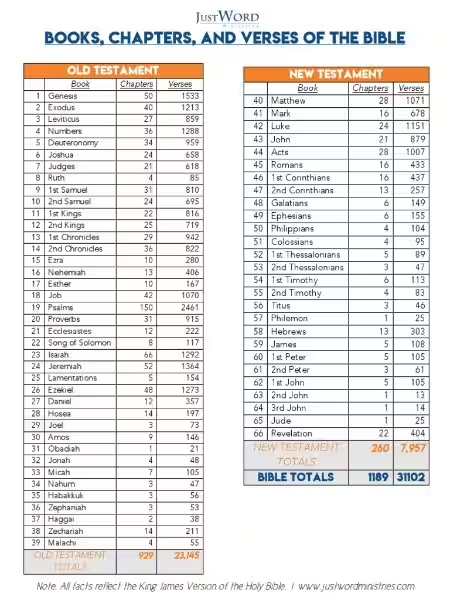
The Bible, a cornerstone of countless faiths, offers profound guidance on how to live a meaningful and fulfilling life. It’s not just a historical document; it’s a living, breathing text filled with wisdom that continues to resonate with people today. Understanding how to live in the Bible’s principles can help us navigate life’s challenges and appreciate the deeper meaning behind our existence. A key concept, often overlooked, is that living a Christian life isn’t about rigid rules, but embracing a relationship with God and applying His teachings to our daily experiences. This journey of faith requires patience, introspection, and a willingness to grow.
Often, the Bible is viewed as a collection of stories and commandments. However, beneath the surface lies a rich tapestry of practical wisdom for living. It’s a roadmap for navigating life’s complexities, from personal struggles to interpersonal relationships. Learning to live in the Bible’s principles isn’t about perfect obedience; it’s about acknowledging our imperfections and seeking grace through compassion and forgiveness. Developing a deep and abiding faith cultivates resilience, empathy, and a sense of purpose that can transform our lives.
Understanding the Concept of “Living” in the Bible
The concept of “living” in the Bible goes beyond merely existing. It speaks to living a life of purpose, meaning, and connection with God. It emphasizes serving others, loving neighbor, and striving for righteousness. This can manifest in various ways, such as helping those in need, acting justly, or expressing gratitude. Think of the parable of the Good Samaritan – it’s not just a story; it’s a call to live compassionately and actively participate in the lives of others. The concept of “living” in the Bible encourages a life that is not just about our own needs, but extends outward to embrace the needs of others.
The Bible often connects living in faith with living in love and service. Living a righteous life isn’t about adhering to a set of rules, but about cultivating a heart that reflects God’s love. This involves seeking justice, showing mercy and compassion, and living in harmony with others. For example, the story of David and Goliath demonstrates that faith is not about being perfect, but about trusting in God’s strength even in the face of overwhelming odds. The act of living a life dedicated to God means having the courage to take risks in faith and to overcome personal limitations.
How can we live in the Bible’s principles today? The answers are multifaceted and personal. One core principle is forgiveness. Biblical teachings highlight the importance of extending forgiveness to those who have wronged us, recognizing that God forgives us abundantly. Practicing forgiveness allows us to live free from bitterness and resentment. Another crucial principle is humility. Acknowledging our limitations and strengths, and relying on God’s grace, allow us to live a more balanced and fulfilled life. Embracing gratitude is also vital: appreciating the good in our lives, big and small, fosters a sense of contentment. Finally, practicing generosity through acts of kindness and compassion empowers us to live an impactful life.
Practical examples of applying biblical principles include: volunteering time at a local shelter, being kind to a coworker, or simply offering a listening ear to a friend in need. These seemingly small actions can have a profound impact on others and enrich our own lives. It encourages living a life of purpose and meaning, rather than one consumed by ego or self-interest. By actively applying the principles of the Bible, we can transform our daily lives into a reflection of God’s love and grace. Living in faith cultivates a deep sense of inner peace and purpose, enabling us to live with integrity and love.
Living in Prayer and Reflection
The Bible emphasizes the importance of prayer and reflection in cultivating a relationship with God. Prayer allows us to connect with the divine and seek guidance. It can be a source of strength and comfort during difficult times. Consistent reflection on God’s word, through meditation or quiet contemplation, allows us to internalize His teachings and apply them to our daily lives. Often, living in faith is a process of continuous learning and self-improvement, drawing wisdom and guidance from daily devotional scriptures and prayer. It’s important to remember that living in prayer and reflection is an active and ongoing process, not a destination.
Regular prayer can lead to deeper understanding of God’s will and practical application of His lessons in our daily decisions. It builds resilience and encourages self-awareness. Journaling, Bible study, and engaging in meaningful conversations with other believers are all ways to foster reflection and growth. Living a life rooted in prayer and reflection allows us to connect with God on a deeper level, helping shape our understanding of what it means to live in a fulfilling way through a life of faith. This engagement with scripture and prayer helps us to live in the now while considering the spiritual realm and God’s presence.
Conclusion: Embracing the Journey of Faith
Living in the Bible’s principles isn’t about achieving perfection; it’s about embracing a journey of faith. It’s about growing in our understanding of God, practicing his teachings, and living a life of purpose and love. It’s about acknowledging our flaws, embracing forgiveness, and striving for continuous improvement. It’s about connecting with a higher power, finding strength in community, and living a life dedicated to God’s will. This process of living in faith is a lifelong journey. It’s about finding meaning and purpose in every day and connecting with the spiritual depths of our being.
Ultimately, living in the Bible is about integrating its principles into our daily lives. This involves cultivating compassion, empathy, and gratitude. It’s about making conscious choices to live with integrity and love. The Bible provides a framework for understanding and navigating life’s complexities, enabling us to live in a world that is often challenging. Choosing to live in faith is a powerful decision that can transform our lives and those around us. By embracing the teachings of the Bible, we embark on a rewarding path towards a more meaningful and purposeful existence.
The Live in Bible is a unique approach to studying and understanding the Bible. It fosters a deeper connection with scripture by encouraging readers to apply biblical principles to their daily lives, rather than solely focusing on historical or theological interpretations.
What is the purpose of the Live in Bible?
The main purpose is to empower readers to live a more fulfilling life by incorporating biblical wisdom into their decision-making and actions. It emphasizes practical application and transformation.
What is the difference between the Live in Bible and other Bible study methods?
The Live in Bible differs by focusing intensely on practical application of the lessons learned. It emphasizes a more active, experiential approach as opposed to just academic study.
What religions are covered in the Live in Bible?
The Live in Bible primarily focuses on the Christian religion and the teachings found within the Bible. Other faiths are not the focus of study.
How does the Live in Bible help me grow spiritually?
By actively applying biblical principles to daily life, the Live in Bible helps readers develop a stronger spiritual foundation and a deeper understanding of God’s will for their lives. It encourages introspection, reflection, and personal growth.
Can I use the Live in Bible if I’m not religious?
While the Live in Bible draws from Christian principles, the principles of ethical living and personal growth found within can be valuable and helpful to anyone, regardless of their religious beliefs.