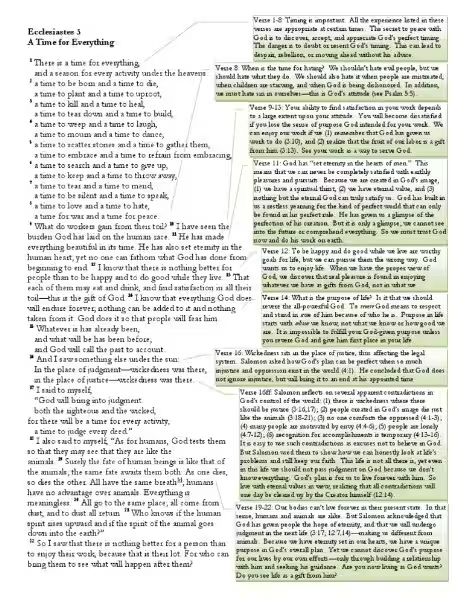
Ecclesiastes, a book often perceived as perplexing, is surprisingly relevant to our modern lives. It’s a profound exploration of life’s meaning and purpose, questioning the value of earthly pursuits and the elusive nature of happiness. This study guide will delve into the book’s key themes, offering practical insights and helping you apply its wisdom to your own journey.
This exploration of Ecclesiastes isn’t just an academic exercise; it’s a call to self-reflection. By understanding the book’s core messages, you can gain a deeper appreciation for the complexities of human existence and potentially find greater fulfillment in your own life. Our Ecclesiastes study guide will guide you through this process, providing a thorough roadmap to understand the book’s core message and how it relates to modern living.
Understanding the Preacher’s Perspective: A Key to Ecclesiastes Study
The Preacher, the author of Ecclesiastes, presents a unique perspective. He’s not claiming definitive answers, but rather posing questions, challenging assumptions, and encouraging introspection. This “search for meaning” is a central theme. He explores various aspects of life, from the merits of work to the elusiveness of happiness. He doesn’t condemn human desires but rather observes their limitations. For example, he might argue that wealth can be fleeting and that even pleasurable experiences often lose their luster with time.
This introspective approach is vital to understanding the book. You will see the author not as a judge, but rather as a thoughtful observer. The Ecclesiastes study guide helps you to develop this perspective and to think critically about the author’s observations. This involves considering your own experiences and asking yourself pertinent questions, like: What value do I place on material possessions? Do I find fulfillment in short-term pleasures or meaningful relationships? This is exactly the kind of self-reflection the Ecclesiastes study guide encourages.
The Futility of Earthly Pursuits: Interpreting Ecclesiastes
The Preacher in Ecclesiastes examines the emptiness of fleeting pleasures and earthly pursuits. He argues that wealth, power, and even pleasure ultimately offer only temporary satisfaction. He shows us how these pursuits—while not inherently bad—are ultimately unfulfilling without a deeper purpose. His observations aren’t meant to discourage enjoyment, but instead to challenge us to find lasting meaning beyond the material world. For example, consider the comparison of a fulfilling relationship versus a fleeting affair, or the thrill of a new car versus the lasting joy of a shared experience.
This part of the Ecclesiastes study guide is crucial. By understanding the Preacher’s perspective, we can avoid getting overly attached to the “things” of this world. A careful reading of Ecclesiastes highlights how our priorities can drift. Are you seeking lasting fulfillment or temporary gratification? The study guide encourages you to consider your own priorities and to reflect on how you might be pursuing fleeting pleasures instead of more enduring values, like faith, relationships, and personal growth.
Finding Lasting Meaning: Key Takeaways from Ecclesiastes Study
Despite the emphasis on the futility of earthly pursuits, Ecclesiastes isn’t entirely pessimistic. The book’s final message points us to the importance of finding joy in the present moment and appreciating the gifts that life offers. It encourages us to find purpose in meaningful relationships and embracing the present. This is a significant takeaway from the Ecclesiastes study guide. It’s a call for us to find happiness within our current context, to cherish each day and experience each moment with gratitude.
The Ecclesiastes study guide provides specific exercises to help you reflect on these concepts. This could include: journaling about moments of joy, expressing gratitude, or nurturing meaningful relationships. Remember, the book’s message is not about avoidance, but about finding balanced perspective. This balanced perspective is a key component of the Ecclesiastes study guide – it encourages you to appreciate the present while striving for a deeper purpose. Instead of lamenting the transient nature of life, we can appreciate its beauty, enjoy the journey, and find meaning in the present.
Applying Ecclesiastes to Your Life: A Practical Ecclesiastes Study Guide
Ultimately, the value of the Ecclesiastes study guide lies in its practical application. How can we translate these ancient insights into our modern lives? A key step is recognizing our own tendencies to chase fleeting pleasures. By recognizing and confronting these tendencies, we can redirect our energy toward more lasting fulfillment and purpose. Developing a gratitude practice is a great example. Focus on the good things in your life, big or small, acknowledging the blessings around you.
The Ecclesiastes study guide can help you to re-evaluate your priorities. Are you chasing external validation or seeking intrinsic satisfaction? Are you focused on the material world or on relationships and personal growth? A deeper understanding of Ecclesiastes leads to a more intentional and mindful approach to life, making it an invaluable tool in your personal journey. By applying these insights, you can move from a passive acceptance of life’s experiences to actively shaping a meaningful existence.
Frequently Asked Questions – Ecclesiastes Study Guide
What is Ecclesiastes about?
Ecclesiastes explores the meaning of life and the search for purpose in a world often perceived as meaningless or fleeting. It reflects on various human pursuits, including wisdom, wealth, pleasure, and work, ultimately questioning whether any of them offer lasting satisfaction.
The author, traditionally identified as Solomon, presents a nuanced perspective, acknowledging the value of human experience but ultimately questioning the inherent value of earthly pursuits. He emphasizes the transient nature of life and the importance of finding joy and meaning within God’s will.
What are some key themes in Ecclesiastes?
Key themes include the futility of earthly pursuits, the importance of enjoying life’s gifts, the ephemeral nature of time, the significance of community, and the ultimate sovereignty of God.
How does Ecclesiastes relate to other books in the Bible?
Ecclesiastes functions as a counterpoint to books that emphasize God’s promises and blessings. It encourages reflection on human experience and the limitations of earthly solutions, preparing the reader for a deeper understanding of God’s ultimate plan.
What are some practical applications of Ecclesiastes today?
The book encourages a balanced perspective on life, reminding us that earthly pursuits should not be our sole focus. It promotes contentment, gratitude, and a relationship with God as the source of lasting meaning and purpose.
How can I study Ecclesiastes effectively?
Engage in thoughtful reflection on the text. Consider the historical context and literary style. Connect the themes to your own life experiences and seek guidance from other commentaries or study resources.
What are some common misconceptions about Ecclesiastes?
Some misunderstand Ecclesiastes as advocating for a pessimistic or nihilistic view of life. However, the book aims to guide readers towards a deeper understanding and appreciation of God’s wisdom and sovereignty, not to despair.