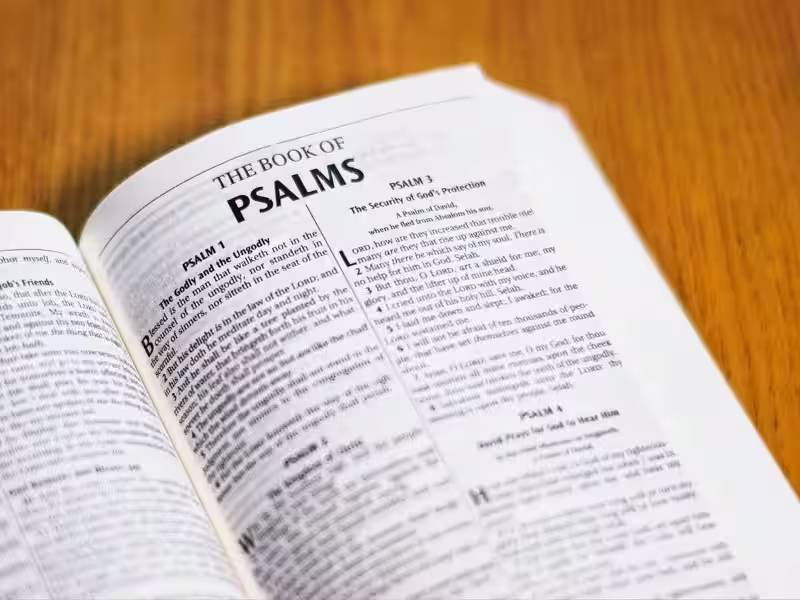
A Devotional Commentary on the Psalms: Prayer, Worship, and Hope
Quick Answer: This commentary on the psalms guides you through how God’s people pray—through praise, grief, repentance, and trust. The Psalms don’t hide emotions; they teach you how to bring every feeling to the Lord, then walk forward in hope. As you read, look for patterns: who God is, what the people are facing, and how worship reshapes the heart.
Where the Psalms Fit in Israel’s Story
The Psalms are the prayer book of ancient Israel, shaped across many generations of worship. Some psalms are linked in the text to David or other individuals, while others reflect the community’s life—times of danger, national crisis, temple worship, and periods of rebuilding. When you read a psalm, you’re often entering a real moment: a king under threat, a sinner seeking mercy, a worshiper longing for God’s presence, or a people looking for God’s justice.
In Israel, the temple and the rhythms of worship gave the Psalms a living context. Songs were sung in public gatherings, recited in private devotion, and used to interpret events through faith. That means the Psalms are not merely poetry; they are God-breathed language for turning history into worship. Whether the tone is triumphant or tearful, the psalmist usually returns to the same foundation: God’s character, God’s covenant faithfulness, and God’s ability to restore.
A good psalm commentary keeps this whole-life setting in view: the Psalms show how to process suffering without losing hope, how to confess without despair, and how to praise even when circumstances resist your peace.
Hebrew Words and the Texture of Prayer
Most of the Psalms were written in Hebrew. Several key ideas run through them repeatedly. For example, the word often translated “praise” and “thanksgiving” reflects not only outward celebration, but a heart that recognizes God’s worth and actions. Another recurring concept is “trust,” which in Hebrew carries the sense of leaning or resting—placing weight on God rather than on shifting conditions.
The Psalms also frequently use terms related to “salvation” and “deliverance,” portraying God as the rescuer who acts in history. Many psalms are also characterized by “lament,” meaning honest complaints brought before God—not denial, but faith speaking to God. Finally, you will notice “steadfast love” and “faithfulness” themes that emphasize God’s reliable character.
As you read, don’t treat the Psalms as generic religious language. Their Hebrew vocabulary is relational and dynamic—inviting you to speak to God with truth, fear, hope, and reverence.
One of the most striking lessons in a study of the Psalms is that lament is not the enemy of worship—it is often a form of worship. The psalmists ask hard questions: Why do the wicked prosper? Why does God feel silent? What if I can’t endure this? Yet their honesty is not a failure of faith; it is faith that refuses to pretend.
In a devotional reading of the Psalms, notice the movement. Many laments begin with distress (“How long?” “Out of the depths…”) and quickly turn toward God’s character (“But you are…”). This is spiritual realism. The psalmist doesn’t deny pain; instead, they re-center the story on God’s power and covenant love.
A helpful psalm commentary will also highlight how lament often includes petitions for deliverance, requests for justice, and cries for restoration. But it also includes the “language of remembrance”—rehearsing God’s past faithfulness as a foundation for present hope. That practice is not psychological trickery; it’s biblical meditation. By returning to what God has done, the psalmist gains courage to keep praying.
If you are facing loss, betrayal, illness, or prolonged uncertainty, let the Psalms model your next step: name the trouble to God, refuse to isolate yourself, and let worship—however small at first—be the thread that holds your heart together.
2) Praise that Trains the Heart: From Circumstances to God
Not every psalm is a lament. Many are hymns of confidence and songs of joy. Yet even when the tone is celebratory, the Psalms still teach spiritual discipline. Praise is portrayed as more than emotion; it is instruction for the whole life.
When you read a psalm of thanksgiving, you’ll often see God’s actions described in specific ways—rescue, protection, provision, guidance, renewal. The worshiper’s gratitude is not vague. It is anchored in what God has actually done. That matters because it shapes the believer’s perspective: the day’s meaning is interpreted by God’s character rather than by the day’s discomfort.
Many psalms also connect praise to God’s holiness and kingship. God is not merely a helpful assistant; He is the Lord over all. This strengthens faith by enlarging the believer’s view. Trouble may still be real, but it is not ultimate.
A biblical reflections on the Psalms approach also observes that praise often prepares the worshiper for ongoing obedience. When God is praised, the heart is trained to seek Him, to honor His ways, and to trust His timing. Even when circumstances remain unchanged, worship can change you.
So let your praise be truthful and God-focused. Celebrate what is good, but give God the credit. Let gratitude become a habit, and let that habit strengthen your prayer life when the next wave of sorrow arrives.
3) Repentance and Hope: Confession that Restores Fellowship
Some of the psalms are intensely personal—voices confessing sin and pleading for mercy. In these moments, the Psalms reveal that God cares about inner truth, not just outward religious performance. Repentance in the Psalms is not self-pity; it is turning back to God.
In a psalm commentary, pay attention to how confession is portrayed. The psalmist often names sin plainly and asks for cleansing, renewal, and a steadfast heart. The goal is not merely relief from guilt, but restoration of fellowship with God. That distinction is essential: God’s mercy leads to transformation.
Many confessional psalms also include language about God’s character—His compassion, His willingness to forgive, His ability to create a clean heart. Those truths matter because repentance without hope can become despair. But repentance in Scripture is framed by God’s readiness to restore.
Confession also teaches humility. The psalmist learns that righteousness is not achieved by performance, but received from God. That creates a pathway for a new beginning: prayer becomes the doorway back to God, and obedience becomes the fruit of mercy.
If you’re burdened by failure, don’t rush past the Psalms’ language of truth. Bring your confession to God honestly. Ask Him to cleanse, renew, and lead you again. The Psalms show that mercy is not the denial of sin—it is the solution for it.
4) Trust in a Broken World: God’s Guidance for Uncertain Days
Another recurring theme in the Psalms is trust—trust when life is unstable and the future feels unclear. The psalmists speak as people who live among threats, enemies, and human limits. Yet they consistently return to God’s sovereignty and care.
The study of the Psalms reveals that trust is often practiced through meditation. The worshiper reflects on God’s promises, remembers God’s acts, and chooses to wait. Waiting is not passive; it is faithful. In the Psalms, trust includes asking for guidance, seeking protection, and requesting strength to endure.
Notice also that trust in the Psalms is not only inward. It shapes outward behavior: it encourages integrity, steadiness, and a refusal to surrender to fear. Even when the psalmist is honest about danger, they still speak as if God is present.
Here the value of a commentary on the psalms becomes clear: it helps you see that your prayers can be consistent even when your feelings change. You may not control circumstances, but you can align your heart with God’s character. The Psalms offer language for that alignment.
So when you feel overwhelmed, use the Psalms as a trustworthy script: cry out to God, remember His faithfulness, ask for help, and continue moving forward with obedience. Trust is learned in prayer.
How to Use This Psalms Commentary in Daily Devotion
To benefit from a commentary on the psalms, don’t only read for information—read for formation. Try these simple steps:
First, observe the “tone shift.” Many psalms move from distress to direction, from complaint to confidence. Mark that movement and ask, “What changed—my circumstances or my focus on God?”
Second, practice prayerful personalization. If the psalm describes fear, translate the emotion into honest words before God. If it describes worship, respond with specific thanks for who God is and what He has done.
Third, use a repetition strategy. Choose one psalm line or theme (trust, mercy, deliverance, guidance) and reread that portion throughout the week. The Psalms are meant to be carried, not consumed.
Fourth, connect worship to obedience. When you pray, ask God to shape your next step: a decision to forgive, a choice to seek integrity, a commitment to wait faithfully, or a renewed hunger for His presence.
Finally, remember that the Psalms include both spiritual highs and raw struggles. Your devotion does not need to be perfectly “positive” to be faithful. God invites you into honest prayer.
Related Bible Passages
Psalm 34:17
The Lord hears when His people cry out, reinforcing that prayer is not ignored.
Psalm 51:10
A plea for a clean heart shows how confession and renewal belong together.
Psalm 46:1
God is portrayed as refuge and strength, a foundation for trust amid chaos.
Romans 15:4
Scripture is written for learning endurance and hope, which the Psalms cultivate.
1 Peter 5:7
Believers are told to cast cares on God, echoing the Psalms’ prayer pattern.
Frequently Asked Questions
What is the purpose of a commentary on the psalms?
A psalm commentary helps you understand the themes, tone shifts, and spiritual movements within the Psalms. It guides you to see how lament, repentance, worship, and trust work together—so you can pray Scripture and respond to God with truth.
Are the Psalms only for people who are feeling strong?
No. Many Psalms are written for grief, fear, and unanswered questions. They model honest prayer without losing faith. Even when you feel weak, the Psalms provide words for bringing your heart to God.
How should I read the Psalms in a devotional way?
Read with attention to tone, theme, and God-focused movement. Pray the text: confess what’s real, thank God specifically, and ask for a next step. Revisit key verses through the week to let Scripture form your mindset.
Do the Psalms help with mental distress and anxiety?
Yes. The Psalms give language to anxiety and show how to redirect worry toward God’s presence, promises, and mercy. They don’t deny fear; they teach you to carry fear to God until worship and trust take deeper root.
A Short Prayer
Lord God, teach me to pray with truth. When I suffer, give me Psalms-shaped faith to bring my tears to You. When I rejoice, cultivate gratitude that returns credit to Your name. Cleanse my heart when I sin, and lead me into steady trust when I don’t understand. Make Your Word a lamp to my steps and a song in my soul. In Jesus’ name, amen.
Key Takeaway: The Psalms train you to speak honestly to God—then to trust Him with worship, repentance, and hope in every season.